























Lights, camera, election: govt’s celebrity push and its problems
Kerala Chief Minister Pinarayi Vijayan, who is seeking a third term for his government, sat down with actor Mohanlal for an hour of tender reminiscence in February — childhood memories, books, films, a love for animals. The content, produced by the Kerala Public Relations Department (PRD), was played on slots provided by TV channels. Actor Mammootty sent out an emotional message when the government inaugurated a bridge connecting Alappuzha to Perumbalam, a long-isolated island. Actor Bhavana appeared in a one-minute advertisement produced by the PRD, riding a motorbike through the state, offering a thumbs-up to welfare projects, and delivering the government's campaign punchline with practised ease: "We will continue this journey." Mohanlal also appeared in an advertisement for the Kerala State Road Transport Corporation (KSRTC) with the tagline "Keeping left for safety and comfort." Transport minister Ganesh Kumar has said that Mohanlal appeared in the ad without taking any remuneration but its surrogate character left many pondering. But the CM-Mohanlal interview and the ads ahead of the elections appear to walk a thin line between government communication and promotion for the ruling front. Taken together, the pattern raised doubts. Is the Left Democratic Front (LDF) government running a pre-election campaign, using some of the most recognisable faces in Malayalam cinema, at the cost of public exchequer, to carry its message of continuity in governance to voters? Several TV channels aired content extolling the projects by Kerala Infrastructure Investment Board (KIIFB) without disclosing that they were paid promotions. Even reality shows on television had allegedly scripted segments to promote government initiatives, where judges invariably talk about one scheme or another. While these were not controversial, a two-page jacket commercial by the PRD that appeared in newspapers on March 5 raised the heckles of the Opposition Congress party. While the first page of the ad had a layout of made-up news articles giving a sorry picture of the state when it was ruled by them, the second page was filled with news of positive happenings and all-round development under the LDF rule. Leaders of the Opposition Congress party criticised the advertisement alleging misuse of public money for politically partisan ads. Though legally, there is no rule that stops a state government from publishing such ads, a Supreme Court ruling in 2015 had issued guidelines to regulate advertisements using taxpayers’ money. A three-member committee headed by Prof NR Madhava Menon was constituted to suggest guidelines, after petitions challenging public advertisements were filed by Common Cause and others. The guidelines, issued by the court specify that advertisement materials should be objective and not directed at promoting political interests of the ruling party. The campaigns should be related to government responsibilities and should be presented in an objective, fair and accessible manner. They also make it clear that display material must be presented in objective language and be free of political argument or partisan standpoint. Government advertising shall maintain political neutrality and avoid glorification of political personalities and project a positive impression of the party in power or a negative impression of parties critical of the government. In 2016, the Union government formed a three member committee, as recommended by the Supreme Court, for Content Regulation in Government Advertising (CCRGA). All the states have also been directed to form such committees to regulate public advertisements. In December 2022, the government of Kerala decided to form a committee to monitor government advertisements. While the panel recommended avoiding all photographs of political leaders, the Court made an exemption to the Prime Minister and the President and the Chief Justice of India. Later, on a review petition by Karnataka, this exemption was extended to the Chief Ministers and the Governors of states. “Regardless of whether it is on paper or not, if you follow the spirit of the judgment and the Constitution, the faces of political leaders should not be on these ads. Government advertisements should be used for providing information to the public for their benefit. The original reason why such a petition was filed in the Supreme Court, and a judgment was rendered, was that these advertisements using faces of political leaders would create a personality cult, which is against democracy,” says activist lawyer Harish Vasudevan. Vasudevan said it is not appropriate for the government to air programmes like the Mohanlal-Pinarayi Vijayan interview through television channels as it is against the Guidelines issued by the Supreme Court and the Constitutional duty. Mohammed Shiyas, president of the Ernakulam District Congress Committee (DCC), filed a Public Interest Litigation before the High Court challenging the ad, issued by t
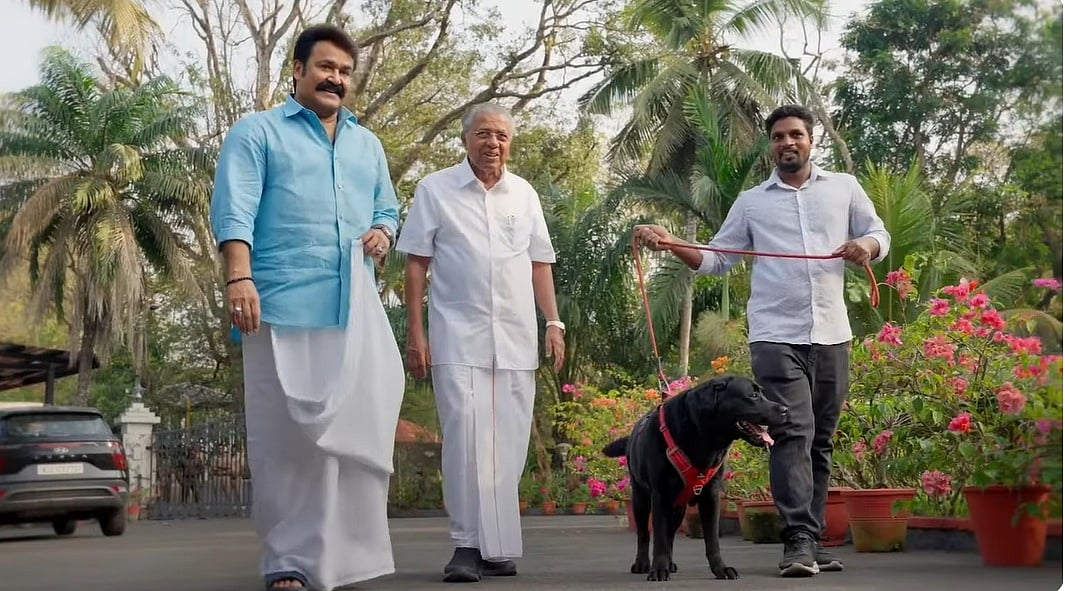
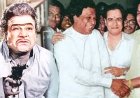
KERALA Chief Minister Pinarayi Vijayan, who is seeking a third term for his government, sat down with actor Mohanlal for an hour of tender reminiscence in February — childhood memories, books, films and a love for animals.
The content, produced by the Kerala Public Relations Department (PRD), was played on slots provided by TV channels.
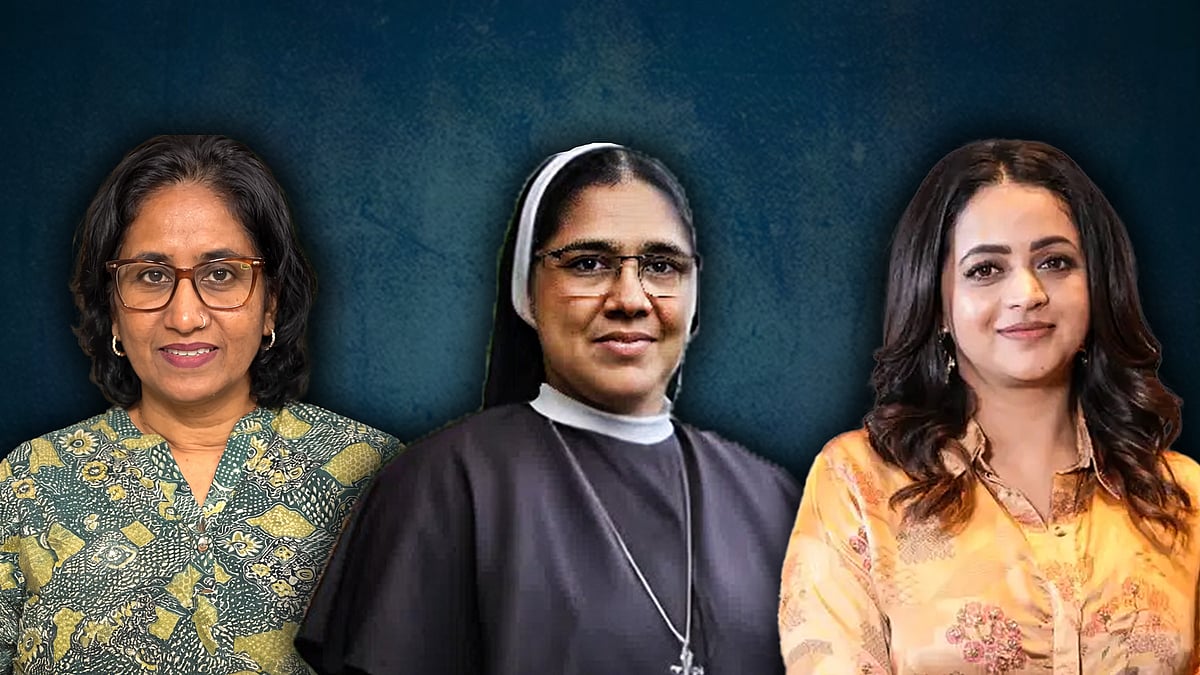
Actor Mammootty sent out an emotional message when the government inaugurated a bridge connecting Alappuzha to Perumbalam, a long-isolated island. Actor Bhavana appeared in a one-minute advertisement produced by the PRD, riding a motorbike through the state, offering a thumbs-up to welfare projects, and delivering the government's campaign punchline with practised ease: "We will continue this journey."
Mohanlal also appeared in an advertisement for the Kerala State Road Transport Corporation (KSRTC) with the tagline "Keeping left for safety and comfort."
Transport Minister Ganesh Kumar has said that Mohanlal appeared in the ad without taking any remuneration but its surrogate character left many pondering.
But the CM-Mohanlal interview and the ads ahead of the elections appear to walk a thin line between government communication and promotion for the ruling front. Taken together, the pattern raised doubts. Is the Left Democratic Front (LDF) government running a pre-election campaign, using some of the most recognisable faces in Malayalam cinema, at the cost of the public exchequer, to carry its message of continuity in governance to voters?
Several TV channels aired content extolling the projects by Kerala Infrastructure Investment Board (KIIFB) without disclosing that they were paid promotions. Even reality shows on television had allegedly scripted segments to promote government initiatives, where judges invariably talk about one scheme or another.
While these were not controversial, a two-page jacket commercial by the PRD that appeared in newspapers on March 5 raised the heckles of the Opposition Congress party. While the first page of the ad had a layout of made-up news articles giving a sorry picture of the state when it was ruled by them, the second page was filled with news of positive happenings and all-round development under the LDF rule.
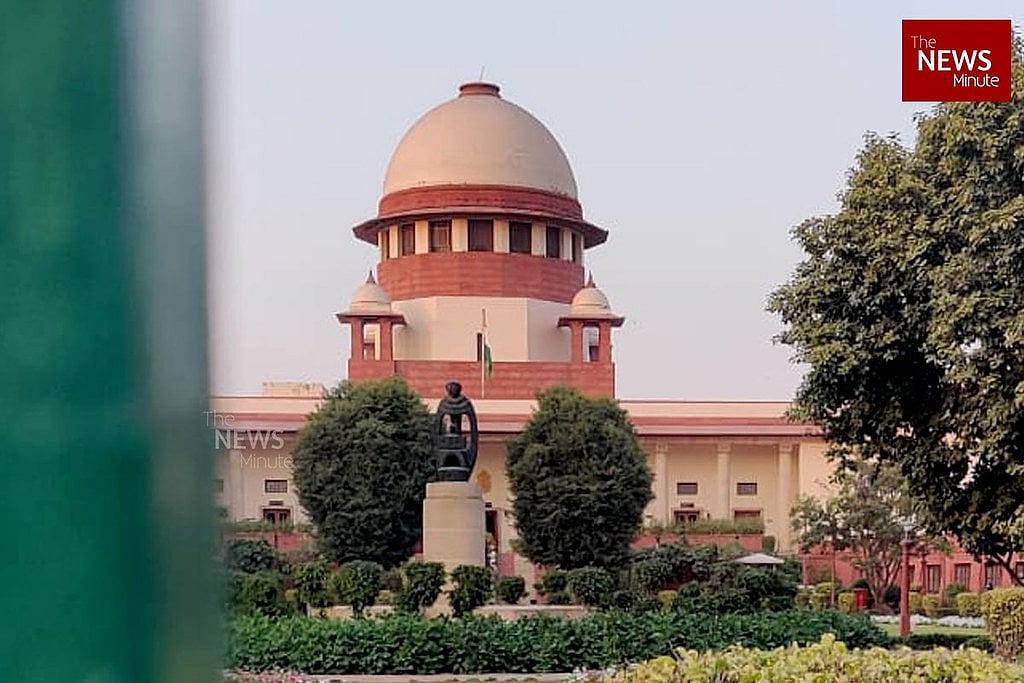
Leaders of the Opposition Congress party criticised the advertisement alleging misuse of public money for politically partisan ads. Though legally, there is no rule that stops a state government from publishing such ads, a Supreme Court ruling in 2015 had issued guidelines to regulate advertisements using taxpayers’ money. A three-member committee headed by Prof NR Madhava Menon was constituted to suggest guidelines, after petitions challenging public advertisements were filed by Common Cause and others.
The guidelines, issued by the court specify that advertisement materials should be objective and not directed at promoting political interests of the ruling party. The campaigns should be related to government responsibilities and should be presented in an objective, fair and accessible manner. They also make it clear that display material must be presented in objective language and be free of political argument or partisan standpoint. Government advertising shall maintain political neutrality and avoid glorification of political personalities and project a positive impression of the party in power or a negative impression of parties critical of the government.
In 2016, the Union government formed a three-member committee, as recommended by the Supreme Court, for Content Regulation in Government Advertising (CCRGA). All the states have also been directed to form such committees to regulate public advertisements. In December 2022, the government of Kerala decided to form a committee to monitor government advertisements.
While the panel recommended avoiding all photographs of political leaders, the Court made an exemption for the Prime Minister and the President and the Chief Justice of India. Later, on a review petition by Karnataka, this exemption was extended to the Chief Ministers and the Governors of states.
“Regardless of whether it is on paper or not, if you follow the spirit of the judgment and the Constitution, the faces of political leaders should not be on these ads. Government advertisements should be used to provide information to the public for their benefit. The original reason why such a petition was filed in the Supreme Court, and a judgment was rendered, was that these advertisements using faces of political leaders would create a personality cult, which is against democracy,” says activist lawyer Harish Vasudevan.
Vasudevan said it is not appropriate for the government to air programmes like the Mohanlal-Pinarayi Vijayan interview through television channels as it is against the Guidelines issued by the Supreme Court and the constitutional duty.
Mohammed Shiyas, president of the Ernakulam District Congress Committee (DCC), filed a Public Interest Litigation before the High Court challenging the ad issued by the Public Relations Department of Kerala. The petition alleged misuse of public funds for political messaging.
The PIL alleges that the advertisement violates constitutional principles requiring political neutrality in the use of state resources, according to LiveLaw. It relies on the SC judgment in Common Cause, which had issued guidelines for government advertisements, as well as the Kerala Government Order issued to implement these guidelines in the state.
The petition contends that the timing, content and presentation of the advertisement indicate a 'colourable exercise of power' to influence public perception before elections. The petitioner also claims that the ad creates a political narrative favourable to the present government, using funds from the public exchequer.
“They should not have used the font and news of the CPI(M) mouthpiece Deshabhimani for these ads. Deshabhimani is a party mouthpiece, not the government’s,” Harish says.