

































































Kerala Assembly sits less, legislates more: 15th KLA passes 54% more bills than 14th
Follow TNM's WhatsApp channel for news updates and story links. The 15th Kerala Legislative Assembly, which concluded its five-year tenure on February 24, 2026, sat for fewer days and held fewer sessions than its predecessor but passed significantly more legislation, according to an analysis by Atyeti Research based on official Assembly records. Atyeti Research, which recently launched MLA Track, a website for evaluating Kerala Assembly legislators, is a not-for-profit law and policy think tank that provides research support to policymakers, businesses, and civil society. The outgoing Assembly convened for 16 sessions spanning 204 sitting days and recorded 1,188 sitting hours over its term. It passed a total of 168 bills—a substantial increase from the 109 bills passed during the 14th Assembly's tenure, as per Atyeti’s research analysis. However, the number of sitting days declined from 232 in the 14th Assembly to 204 in the 15th, continuing a downward trend from 237 in the 13th Assembly. The number of sessions also dropped from 22 in the 14th Assembly to 16 in the 15th, matching the session count of the 13th Assembly. Total sitting hours fell from over 1,445 hours in the 13th Assembly to 1,188 hours in the 15th; comparable data for the 14th Assembly is unavailable. While many states fail to meet their mandated sitting targets, Kerala has had an average of 44 days per year between 2017 and 2024. This is notably higher than the national average of approximately 20 days per year for the same period, according to a 2024 review of state laws by the PRS Legislative. The number of sittings per year for 14th KLA averaged 46 days. Atyeti data shows that this has now fallen to around 41 days for 15th KLA. A lower number of sitting days primarily indicates a reduction in the time available for a legislature to perform its core duties, often leading to bills being passed with minimal deliberation. The analysis was compiled by Atyeti Research using Speaker's statements and information from the Legislative Assembly website (Niyamasabha.org). Legislative outputWhile the number of government bills published declined from 213 in the 14th Assembly to 195 in the 15th – continuing a drop from 246 in the 13th – the proportion of bills that were ultimately passed increased substantially. The 168 bills passed in the 15th Assembly represent a significant recovery from the 109 passed in the 14th, though still below the 144 passed in the 13th. The number of bills referred to Subject Committees rose from 87 in the 14th Assembly to 118 in the 15th, continuing an upward trend from 74 in the 13th. Bills referred to Select Committees increased from two in the 14th Assembly to four in the 15th. Private member bills saw a dramatic surge, increasing from 62 in the 14th Assembly to 150 in the 15th. Questions and motionsThe number of printed questions – both starred and unstarred – decreased from 72,482 in the 14th Assembly to 67,832 in the 15th. Short-notice questions dropped from seven to four. However, supplementary questions increased marginally from 5,020 to 5,126. The number of ordinances promulgated fell sharply from 274 in the 14th Assembly to 114 in the 15th, after a previous increase from 190 in the 13th. Atyeti Research’s MLA Track (https://mlatrack.com) website was launched in collaboration with the Sahya Digital Conservation Foundation and is considered the first initiative of its scale to track the activities of a state legislature in India. The website offers short biographies of all 140 Kerala MLAs, visual representations of their attendance records, and date-wise details of interventions, including submissions, calling attention, and adjournment motions. It also tracks questions raised by each legislator.The database has been created using publicly available documents from the Kerala Legislative Assembly website and the Legislative Assembly Constituency Asset Development Scheme (LAC ADS) Portal. According to Atyeti Research, the platform is intended to serve as a resource for the public, media, and researchers to understand the work undertaken by individual MLAs and the Assembly as a whole.
Follow TNM's WhatsApp channel for news updates and story links.
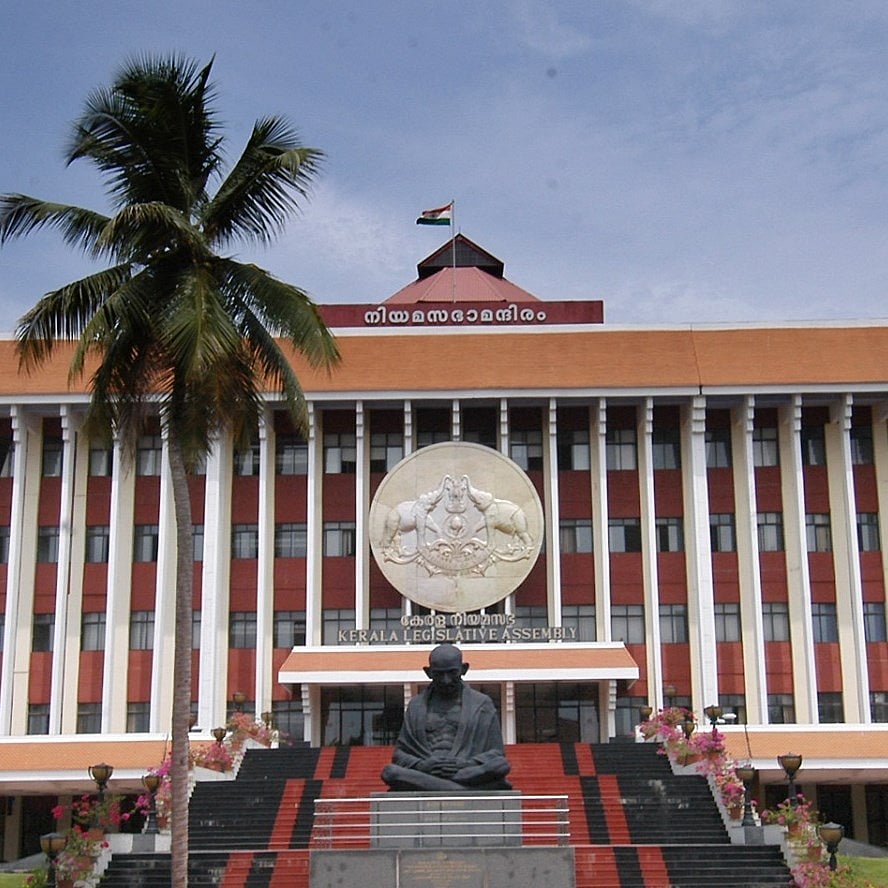
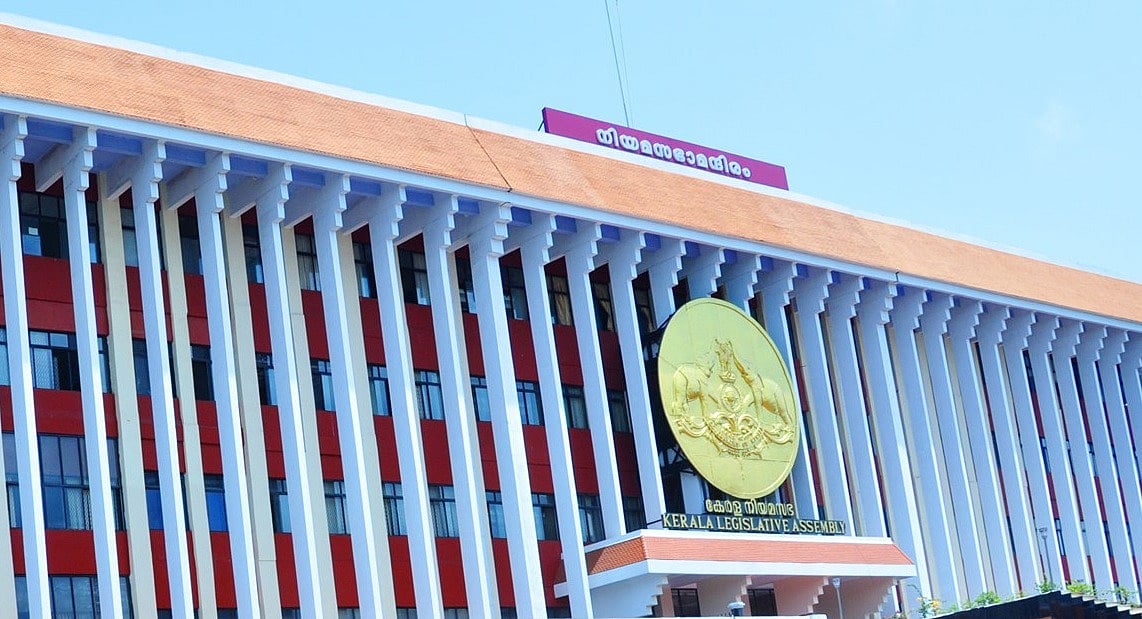
THE 15th Kerala Legislative Assembly, which concluded its five-year tenure on February 24, 2026, sat for fewer days and held fewer sessions than its predecessor but passed significantly more legislation, according to an analysis by Atyeti Research based on official Assembly records.
Atyeti Research, which recently launched MLA Track, a website for evaluating Kerala Assembly legislators, is a not-for-profit law and policy think tank that provides research support to policymakers, businesses, and civil society.
The outgoing Assembly convened for 16 sessions spanning 204 sitting days and recorded 1,188 sitting hours over its term. It passed a total of 168 bills—a substantial increase from the 109 bills passed during the 14th Assembly's tenure, as per Atyeti’s research analysis.
However, the number of sitting days declined from 232 in the 14th Assembly to 204 in the 15th, continuing a downward trend from 237 in the 13th Assembly.
The number of sessions also dropped from 22 in the 14th Assembly to 16 in the 15th, matching the session count of the 13th Assembly. Total sitting hours fell from over 1,445 hours in the 13th Assembly to 1,188 hours in the 15th; comparable data for the 14th Assembly is unavailable.
While many states fail to meet their mandated sitting targets, Kerala has had an average of 44 days per year between 2017 and 2024. This is notably higher than the national average of approximately 20 days per year for the same period, according to a 2024 review of state laws by the PRS Legislative. The number of sittings per year for 14th KLA averaged 46 days. Atyeti data shows that this has now fallen to around 41 days for 15th KLA.
A lower number of sitting days primarily indicates a reduction in the time available for a legislature to perform its core duties, often leading to bills being passed with minimal deliberation.
The analysis was compiled by Atyeti Research using Speaker's statements and information from the Legislative Assembly website (Niyamasabha.org).
Legislative output
While the number of government bills published declined from 213 in the 14th Assembly to 195 in the 15th – continuing a drop from 246 in the 13th – the proportion of bills that were ultimately passed increased substantially. The 168 bills passed in the 15th Assembly represent a significant recovery from the 109 passed in the 14th, though still below the 144 passed in the 13th.
The number of bills referred to Subject Committees rose from 87 in the 14th Assembly to 118 in the 15th, continuing an upward trend from 74 in the 13th. Bills referred to Select Committees increased from two in the 14th Assembly to four in the 15th.
Private member bills saw a dramatic surge, increasing from 62 in the 14th Assembly to 150 in the 15th.
Questions and motions
The number of printed questions – both starred and unstarred – decreased from 72,482 in the 14th Assembly to 67,832 in the 15th. Short-notice questions dropped from seven to four. However, supplementary questions increased marginally from 5,020 to 5,126.
The number of ordinances promulgated fell sharply from 274 in the 14th Assembly to 114 in the 15th, after a previous increase from 190 in the 13th.
Atyeti Research’s MLA Track (https://mlatrack.com) website was launched in collaboration with the Sahya Digital Conservation Foundation and is considered the first initiative of its scale to track the activities of a state legislature in India.
The website offers short biographies of all 140 Kerala MLAs, visual representations of their attendance records, and date-wise details of interventions, including submissions, calling attention, and adjournment motions. It also tracks questions raised by each legislator.
The database has been created using publicly available documents from the Kerala Legislative Assembly website and the Legislative Assembly Constituency Asset Development Scheme (LAC ADS) Portal.
According to Atyeti Research, the platform is intended to serve as a resource for the public, media, and researchers to understand the work undertaken by individual MLAs and the Assembly as a whole.