



































Bondi gunmen 'meticulously' planned attack for months, police allege
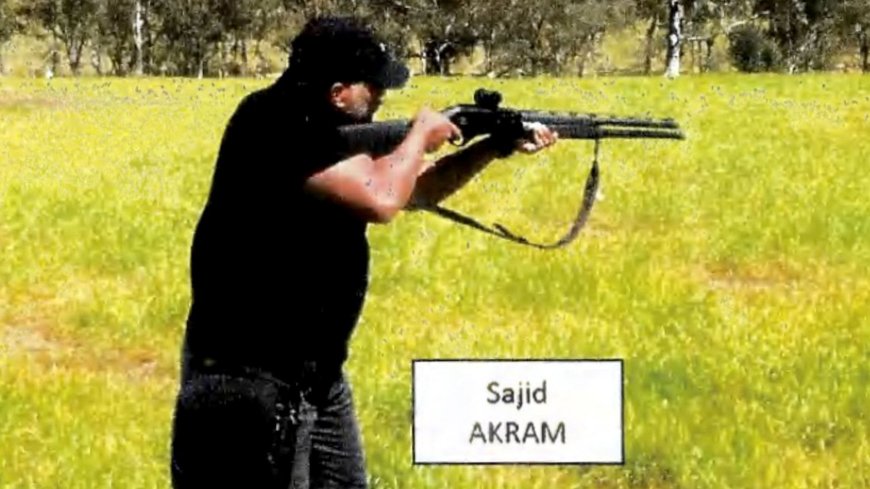
THE suspected gunmen in the Bondi Beach attack threw explosives at the start of the deadly incident and had practised shooting weeks before, according to new court documents, reports the BBC.
They allege the pair "meticulously" planned the attack for months and, two days before the shooting, visited Bondi for reconnaissance.
Fifteen people were killed and dozens more injured when two gunmen opened fire on a Hanukkah celebration on 14 December. Explosives, including a "tennis ball bomb", failed to detonate, the documents said.
Naveed Akram, 24, has been charged with 59 offences, including 15 counts of murder and one of terror. A second gunman - his father, Sajid Akram - was shot dead by police at the scene.
Last week, a temporary suppression order was made on the release of the police fact sheet to protect the identities of the survivors. It was revoked on Monday and the documents were published with some redactions.
Included in the new court documents are the details of several videos tracing the movements of the alleged gunmen in the months, days and hours before the attack.
They are heard making statements about their motivations for the attack and condemn "the acts of 'Zionists'", police say.
Naveed Akram is also "recorded appearing to recite, in Arabic, a passage from the Quran".
Police said separate footage from October shows the father and son "conducting firearms training in a countryside location", believed to be in New South Wales. They are seen "firing shotguns and moving in a tactical manner", officials added.
CCTV footage from the evening of 12 December is said to show two males "believed to be the accused and his father" in their car next to Bondi Beach.
"The accused and his father, S Akram, are seen to exit the vehicle and walk along the footbridge, being the same position where they attended two days later and shot at members of the public," the document states.
"Police allege that this is evidence of reconnaissance and planning of a terrorist act."
At around 02:00 (15:00 GMT) on the day of the attack, two men were captured on CCTV leaving rented accommodation in the Sydney suburb of Campsie "carrying long and bulky items wrapped in blankets", which they placed into a car.

The documents note these include two single barrel shotguns, a Beretta rifle, four improvised explosive devices (IEDs) and two IS flags.
Police say shortly after 17:00 (08:00 GMT), the men were seen leaving the rental. Separate footage captures them arriving at Bondi at 18:50 (09:50 GMT), where they parked and placed the flags on the inside of the front and rear windows.
They are then seen removing the firearms and IEDs from the car, before walking towards a footbridge, according to the documents.
It was from this location that police believe they threw the explosives - three pipe bombs and a "tennis ball bomb" - towards the crowd, though none exploded.
A short time later, they used the firearms to shoot towards the crowd, police say. Fourteen people were killed at the scene. One other died from their injuries later in hospital.
Sajid Akram was shot and killed during an exchange of fire with New South Wales Police officers.
Naveed Akram was critically injured by police fire. He was released from the hospital on Monday and transferred to a prison.
In the week since the shooting, Australian Prime Minister Anthony Albanese has been accused by the Jewish community of not taking antisemitic threats seriously enough.
On Sunday, he was booed by sections of a crowd at a memorial event attended by tens of thousands of people.
He apologised to Jewish Australians and promised to "work every day" to protect them. He also proposed to push for new legislation against extremism and hate speech.
But Albanese may face an even greater problem as questions mount over the handling of intelligence on the alleged gunmen and whether it was thoroughly pursued.
It was previously reported that Naveed Akram was investigated over ties to a Sydney-based IS terrorism cell.
Albanese had said he first came to the attention of the authorities in 2019, but an "assessment was made that there was no indication of any ongoing threat or threat of him engaging in violence".
Additional questions are being asked as to why - in light of this previous investigation - the father and son were able to travel to the Philippines in the month before the attack, and how the father was able to buy guns. At a news conference on Monday, NSW Premier Chris Minns said he did not want to speculate and an investigation was ongoing.
There is also growing pressure for Albanese to call a Royal Commission, Australia's highest level of public inquiry, into the Bondi terror attack, with calls coming from the Jewish community and MPs.
The attack has also sparked calls for tougher restrictions on gun ownership. On Monday, New South Wales state recalled its parliament to debate a raft of new gun and protest laws, proposed in the wake of the shooting.
Some civil rights groups and pro-gun advocates have raised concerns that the laws will place undue restrictions on firearms and protests.
Minns said some may feel the changes had "gone too far" but they were needed to keep the community safe.