




















































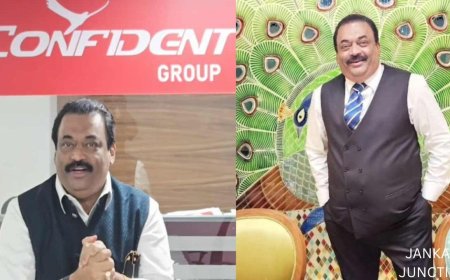








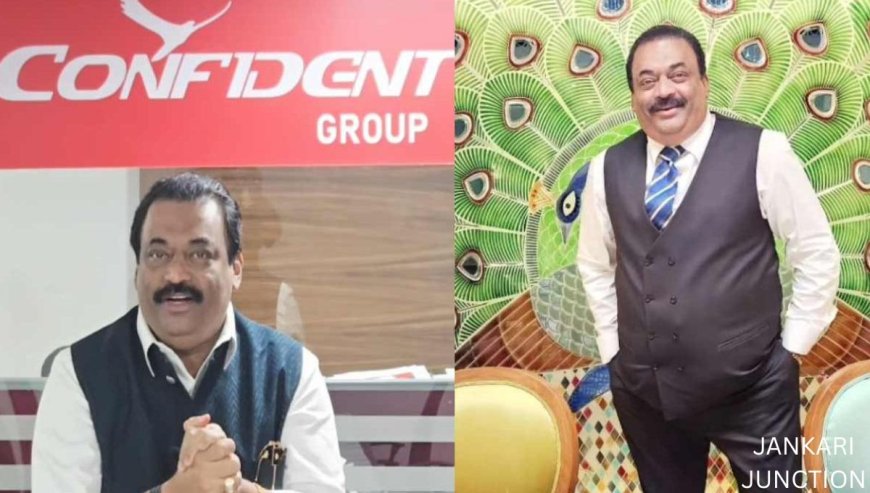
When success meets the system: the tragic death of Confident Group Chairman C. J. Roy
By Thomas Kannamala
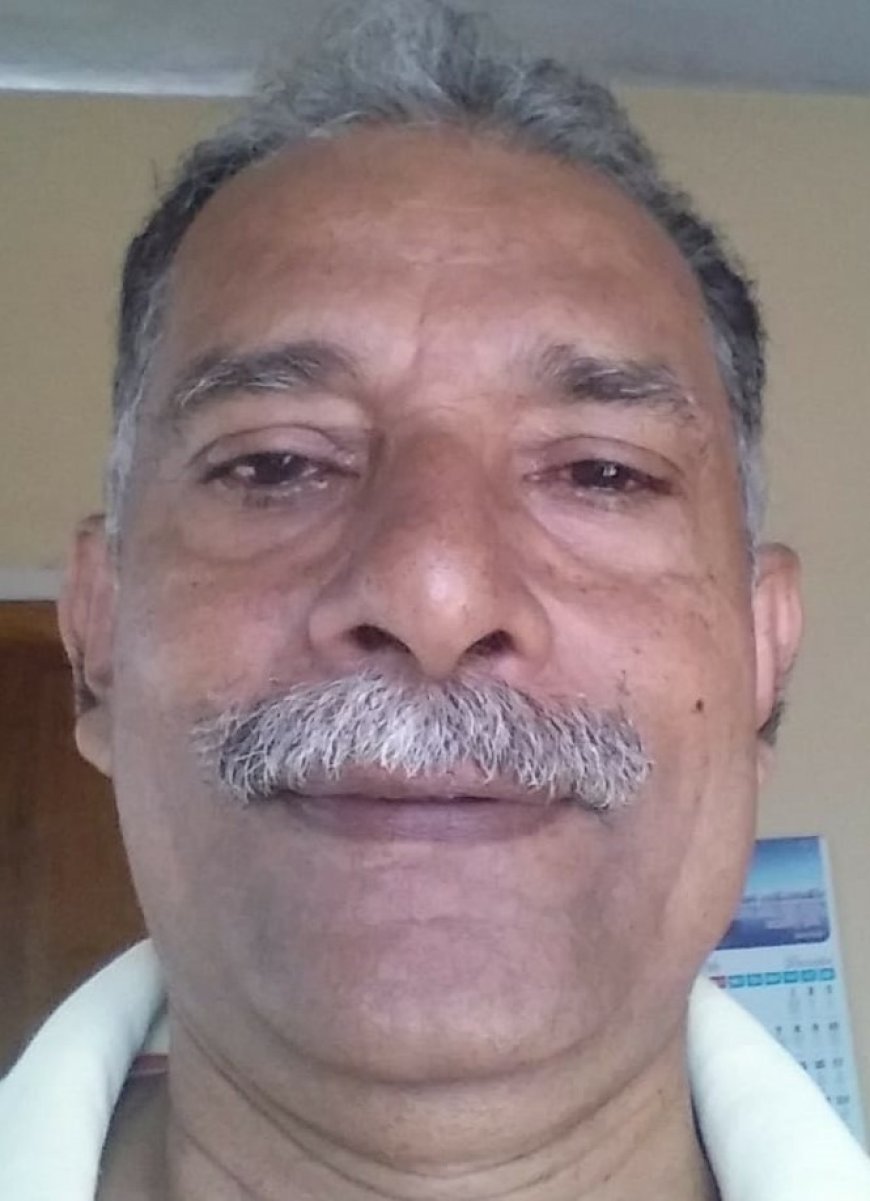
THE death of billionaire businessman C. J. Roy, 57, founder and chairman of the Confident Group, on Jan 30, 2026, has sent shockwaves through India’s real estate and business communities. He was found dead with a gunshot wound to his heart at his Bengaluru office while an income tax search was under way, in the office. Roy’s end has raised disturbing questions that go far beyond one individual or one company.
Roy was not a marginal player in his chosen profession. A Keralite and a self-made entrepreneur, he built the Confident Group into a diversified enterprise with interests in real estate, hospitality, education, media and entertainment, operating across several Indian cities and overseas. He also ventured into film production and high-profile television sponsorships, acquiring a public persona that extended beyond the property sector. By any conventional measure, he was a symbol of entrepreneurial success – in the big league.
Yet, on a January afternoon, that success collided with the unseen forces far beyond something that he faced so far, and decided to end it all as the best exit route.
According to official accounts, Roy was being questioned in connection with an ongoing Income Tax investigation when he reportedly went into his cabin to retrieve documents and shot himself. The Bangalore Police have treated the case as suicide prima facie, but the State Home Minister said all angles, including the events before and after the death, would be inquired.
The Income Tax Department had sent a special team from Kerala to deal with his case, and it maintained that the officers were performing their statutory duties in the normal course.
Even so, the timing and circumstances of Roy’s death have triggered a wider debate — one that India has confronted before, but never fully addressed.
Pressure, Process and Power : India’s enforcement agencies wield enormous authority. Search and seizure operations, prolonged questioning, freezing of accounts and the threat of prosecution can paralyse businesses overnight. While such powers are essential to curb tax evasion and financial crime, their application often lacks transparency, time-bound safeguards, or meaningful accountability.
Roy’s death recalls earlier corporate tragedies, most notably that of Café Coffee Day founder V. G. Siddhartha, who in 2019 spoke in his final letter of relentless pressure from lenders and tax authorities.
In such cases, investigations would be lawful on paper — but the human cost remains deeply unsettling.
Business leaders operate under intense stress even in normal circumstances. When regulatory action turns adversarial, the psychological burden can become overwhelming, particularly when reputations, the livelihoods of employees, and family futures appear to be at stake. This is not an argument against investigation, but a plea for proportionality and sensitivity. The system is designed in such a way that no business could be run fully in compliance with the rules.
`It is just like Motor Vehicle rule violations. If a vehicle is stopped, the owner could be faulted even on charges like the tyre treads uneven, air pressure is high/low, rear view mirror is not set in the correct angle, dusty windscreen, improper seat belt wear, helmet position, lane discipline violation and so on”, a leading textile owner commented. He felt that Joy should have settled outside the country like many others businessmen had earlier done.
Political and Public Reactions: The response to Roy’s death was swift and sharp. Political leaders from Karnataka and Kerala called for an impartial probe into the circumstances, with some openly alleging harassment seeking political funding. Industry figures expressed shock, describing Roy as energetic, ambitious and a visionary. His family and associates hinted that the pressure of sustained scrutiny may have played a role in his mental state.
Such reactions underline a growing discomfort with how economic power is policed in India. Enforcement actions, critics argue, too often resemble punishment before conviction. The absence of clear protocols on questioning hours, treatment of individuals during searches, and grievance redressal mechanisms compounds the problem.
Beyond One Death : It would be irresponsible to draw definitive conclusions before investigations are completed. Equally irresponsible would be to treat Roy’s death as an isolated personal tragedy. The case forces an uncomfortable question into the open - can the system pursue financial accountability without crushing the individual under its weight?
Entrepreneurs are not above the law. But neither are they expendable collateral in the fight against black money and tax evasion. A system that seeks compliance must also ensure dignity, due process and humane conduct.
Roy’s death story is a stark reminder to the untimely departure of many other promising businessmen who could have played a significant role in the development of this country – the list is long. The line between enforcement and excess is perilously thin. When that line is crossed — or even perceived to be crossed — trust in institutions erodes, fear replaces confidence, and tragedy can follow. A few that fresh in the memory are :
V. G. Siddhartha (1959–2019): Founder of Café Coffee Day (CCD), one of India’s most successful coffee retail chains. Siddhartha went missing on July 29, 2019 and his body was later found in the Netravati River; police reports and investigations treated his death as an apparent suicide, amid financial pressures and mounting debt burdens related to his businesses. CCD was a cultural and business phenomenon in India — much like Starbucks in the West — and his death exposed the stresses faced by corporate leaders.
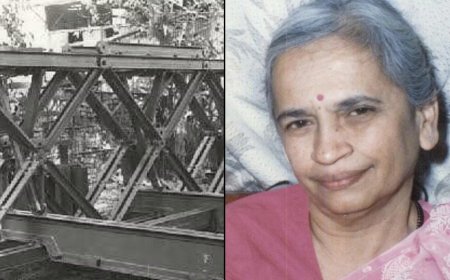
Cyrus P. Mistry (1968–2022): Former Chairman of Tata Sons (2012–2016) and a scion of the Shapoorji Pallonji family, Mistry died in a car accident on September 4, 2022, on a highway bridge near Palghar, Maharashtra, when the vehicle he was in collided with a road divider. This comes under system failure, because the accident-prone area continued to remain there, waiting for accidents to happen. His tenure at Tata Sons was marked by high-profile boardroom battles, and his sudden death cut short the business life of one of India’s most prominent corporate figures.
Harpal Randhawa (died 2023): Owner of the RioZim mining group, which has significant operations including coal and nickel. Randhawa was killed in a plane crash in 2023 along with his son and others. Aviation accidents involving business leaders are rare, but had there been prompt industry and safety discussions, and corrective measures, probably the Deputy Chief Minister of Maharashtra, Ajit Pawar, would have been alive today.
Angad Paul (1970–2018): CEO of Caparo Group and son of industrialist Lord Swraj Paul, Angad died in 2018 after falling from his London home, in circumstances widely described as tragic amid business distress. His death resonated in both UK and Indian business circles due to his executive role in the family’s global steel business.
A Moment for Reflection: As investigators piece together the final moments of C. J. Roy’s life, the country must resist the temptation to move on quickly. His death should prompt serious introspection within enforcement agencies, clearer operational safeguards, and stronger mental-health awareness in high-pressure investigations. Maybe if the `system’ had gone deep into the deaths of two Keralites – the murder of East-West Airlines Chairman Thakiyudeen Abdul Waheed, and Biscuit King Rajan Pillai in the 1990s, the symptoms could have been traced and corrected.
Ultimately, the measure of a mature democracy is not only how firmly it enforces the law but also how humanely it treats those subjected to its power. C. J. Roy’s death demands answers—not only about what happened in one office cabin in Bengaluru, but also about the larger system in which success, scrutiny and survival collide.
(With inputs from media reports, ChatGPT)