










































































Zuckerberg apologises to India government over Meta content and errors, local media says
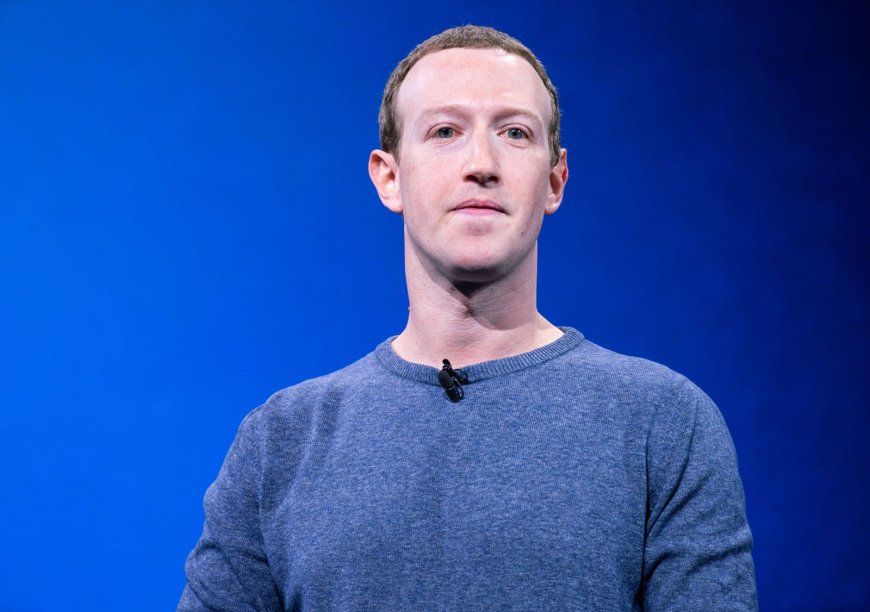
META Platforms' (META.O) Chief Executive Officer Mark Zuckerberg has apologised to the Indian government over child sexual abuse material on the company's platforms and for operational errors, local television channels reported on Wednesday, reports Reuters.
Zuckerberg apologised for the presence of the material, as well as deepfake content and operational lapses on Meta's platforms, financial news publication Moneycontrol reported, citing sources.
The publication added that the apology was conveyed during a meeting between Meta executives and Indian government officials on Tuesday.
Meta, whose major social media apps include Facebook and Instagram, did not immediately respond to a request for comment.
In July, the Indian government ordered Meta to remove advertisements and content promoting child sexual abuse material on Instagram, the BBC reported, opens new tab, citing a senior Ministry of Electronics and Information Technology official.
The government also sought an explanation from Meta within seven days on how advertisements containing such material were allowed on the platform, the BBC report added.
Meta said at the time it had a zero-tolerance policy on child sexual abuse material and was continuing to strengthen its detection systems, according to the BBC.
Last month, India's information and technology ministry summoned Meta executives after Facebook briefly restricted a post by Prime Minister Narendra Modi. The company said the post had been blocked inadvertently because of an operational error.
Hyderabad police also registered a case against Meta India head Arun Srinivas over videos posted on Facebook that allegedly depicted Modi in an "abusive manner", according to a senior police officer.
India has tightened content rules this year, narrowing the legal shield that protects platforms from liability for user-generated content and increasing the exposure of the executives who run them.
Since February, platforms must remove unlawful content flagged by courts or the government within three hours, down from 36 hours, or risk losing that protection.