





















































































11 best fruits for heart health, according to a cardiologist
EVERYONE wants easy ways to improve their heart health. How about an easy and delicious way to do it? Adding more fruit to your diet is one of the simplest ways to support your heart. These 11 nutrient-rich fruits provide fiber, antioxidants, vitamins, and minerals that may help lower your risk of heart disease.
1. Apples
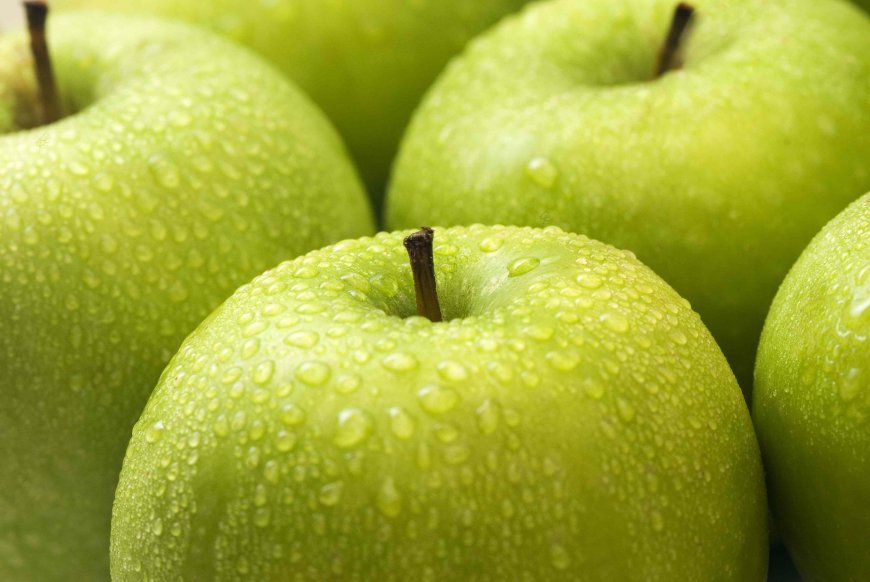
Eating apples regularly may help lower cholesterol and improve blood vessel function. This makes it easier for blood to flow throughout your body. Apples may also support a healthy gut, which researchers believe plays an important role in heart health. Enjoying a whole apple as a snack or adding sliced apples to one of your favourite meals is an easy way to include this heart-healthy fruit in your diet.
2. Berries
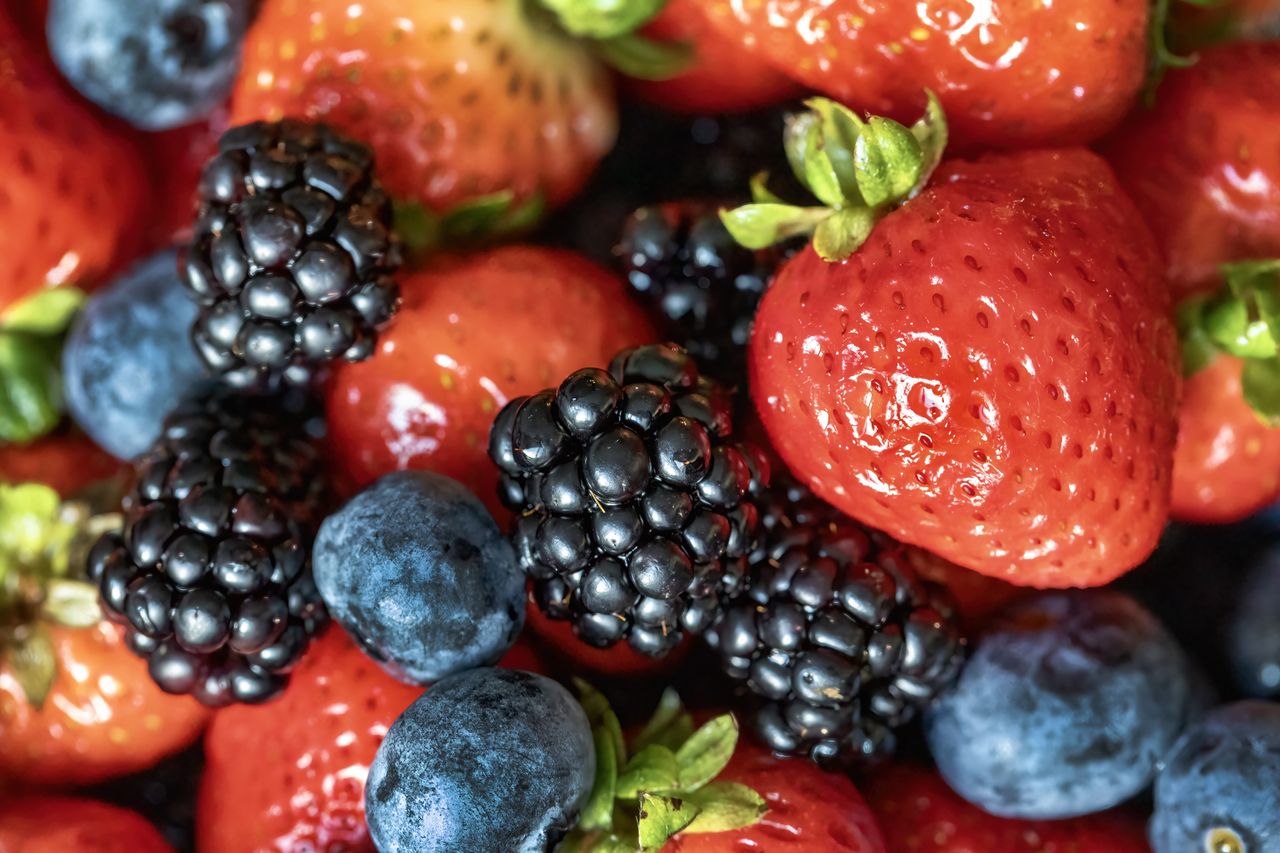
Berries are loaded with fiber and antioxidants that support heart health. The fiber in berries may help lower low-density lipoprotein (LDL), or “bad” cholesterol; improve gut health; and reduce your risk of heart disease, stroke, and type 2 diabetes. They may also help protect blood vessels from damage and support healthy blood pressure. Fresh or frozen berries make a great addition to your morning routine, like yogurt, smoothies, or oatmeal.
3. Avocados
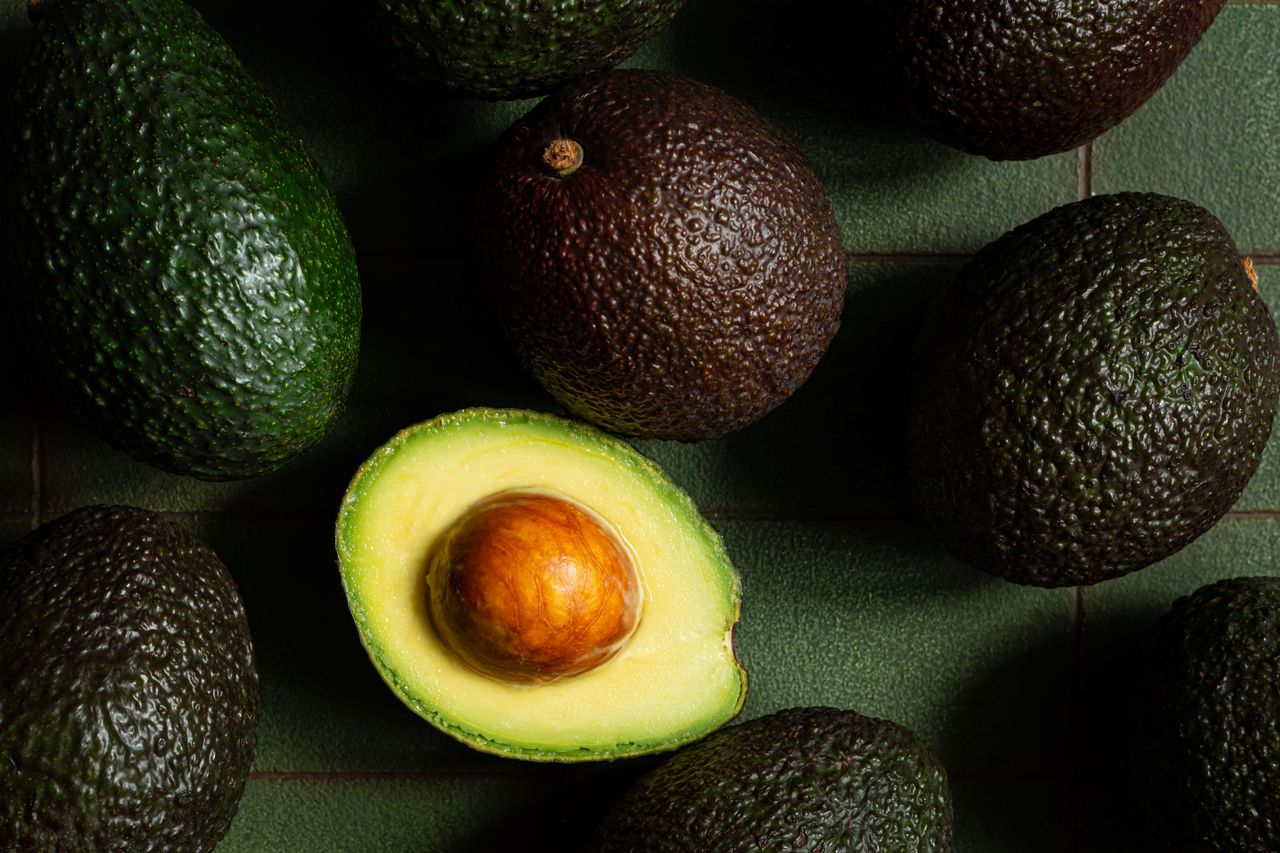
While some people think of avocados as a vegetable, they’re actually a fruit. They’re rich in unsaturated fats, fiber, potassium, magnesium, and folate. These nutrients work together to support healthy cholesterol levels, blood pressure, and overall heart health. One large study found that people who ate at least two servings of avocado each week had a lower risk of coronary heart disease than those who rarely ate avocados.
4. Bananas
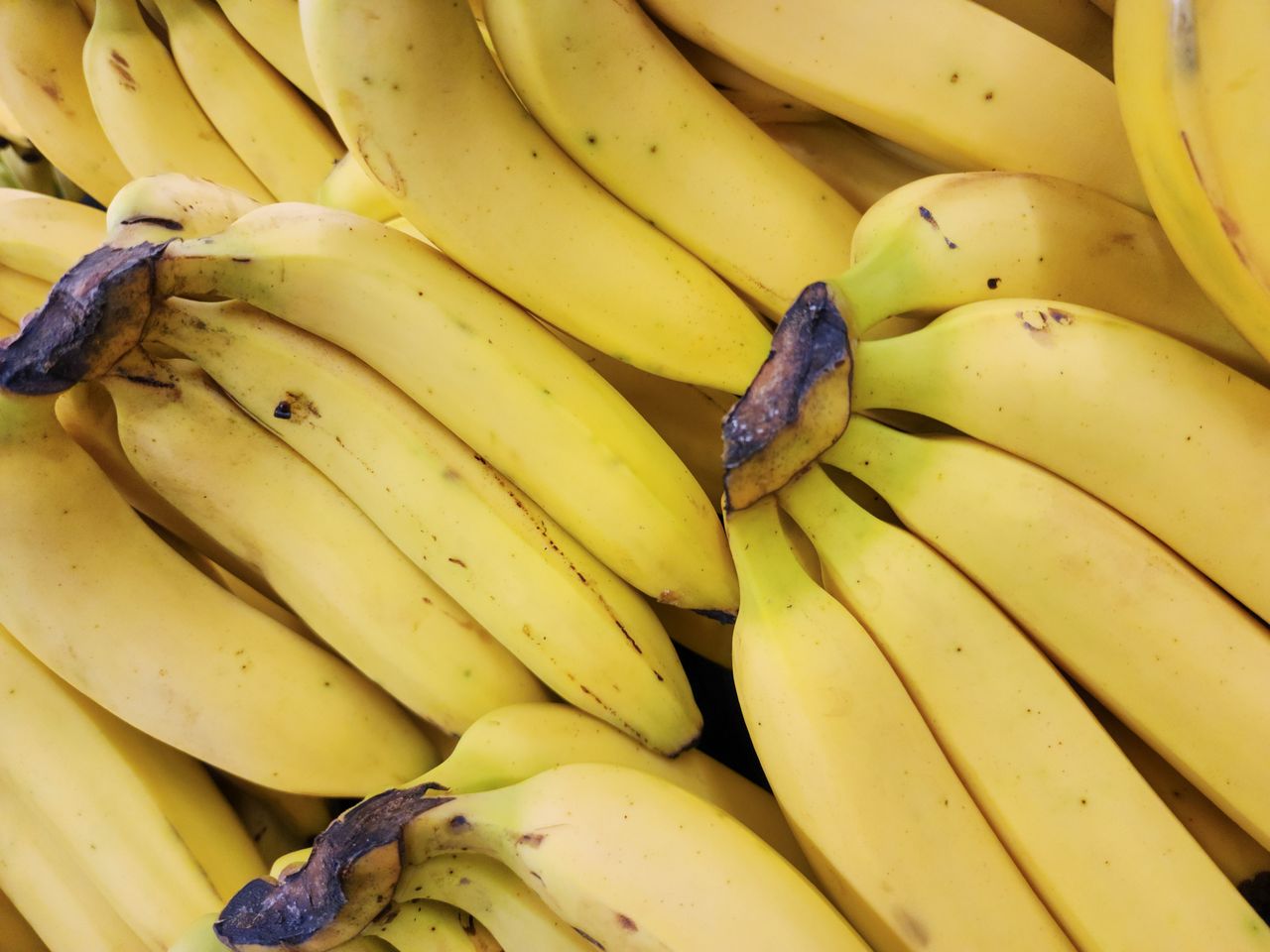
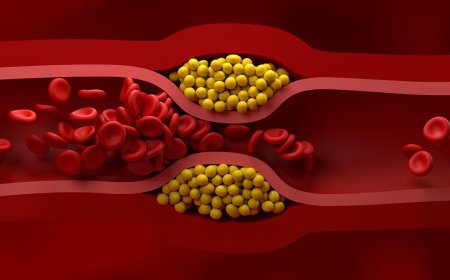
Bananas provide several nutrients that support heart health, especially potassium. Potassium helps balance sodium levels in the body, which can help maintain healthy blood pressure. Bananas also contain fiber, antioxidants, and plant compounds that may help reduce inflammation and protect blood vessels from damage. These nutrients may also help lower the risk of atherosclerosis, a condition that develops when plaque build-up causes arteries to harden and narrow.
5. Pears
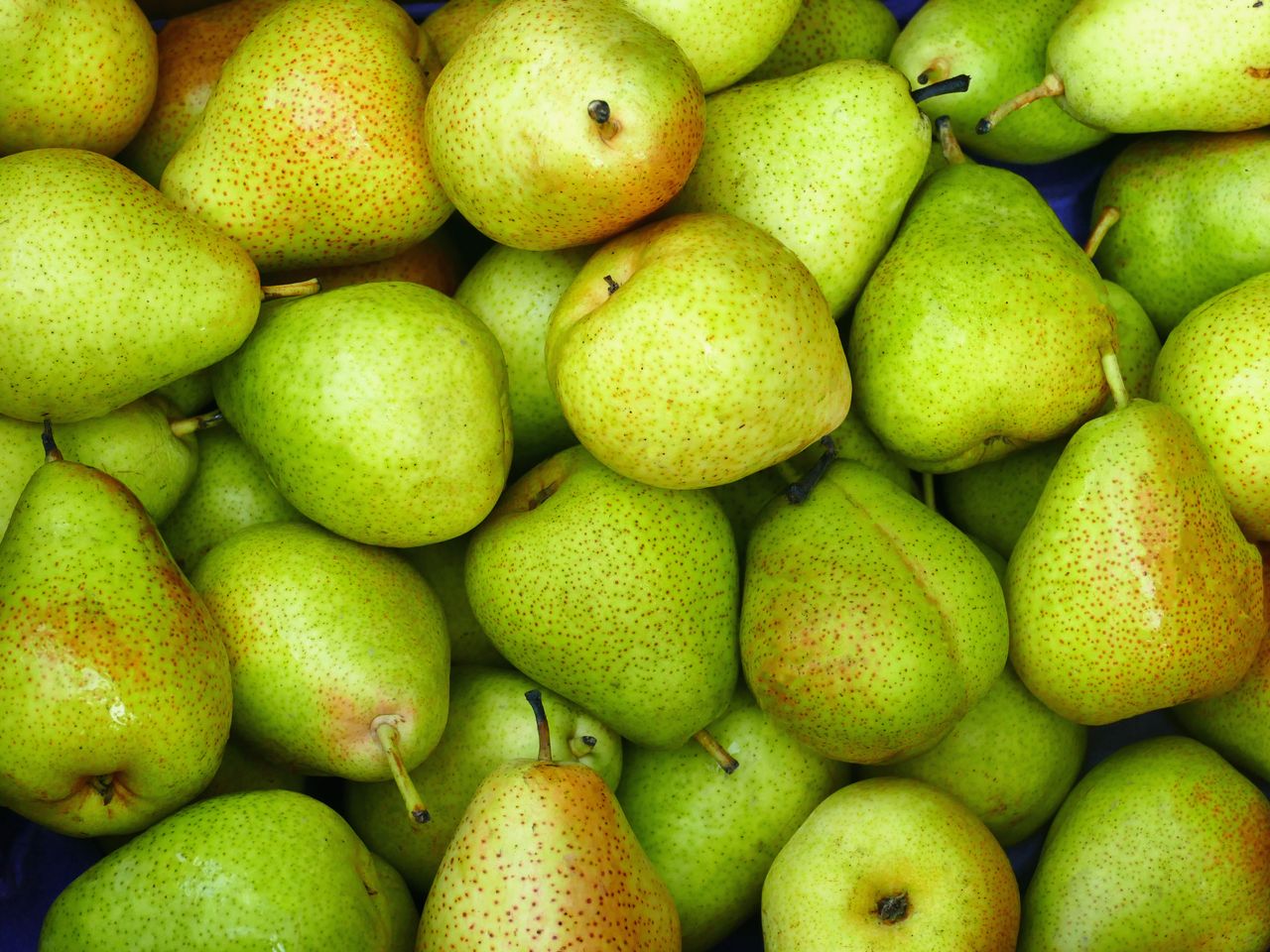
There are beneficial plant compounds found in pears that may help protect your heart. Adding pears to your diet may improve the health of blood vessels by increasing nitric oxide. Nitric oxide is a molecule that helps blood vessels relax and widen, which can support a healthy blood pressure. Pears may also support healthy cholesterol levels.
6. Grapes
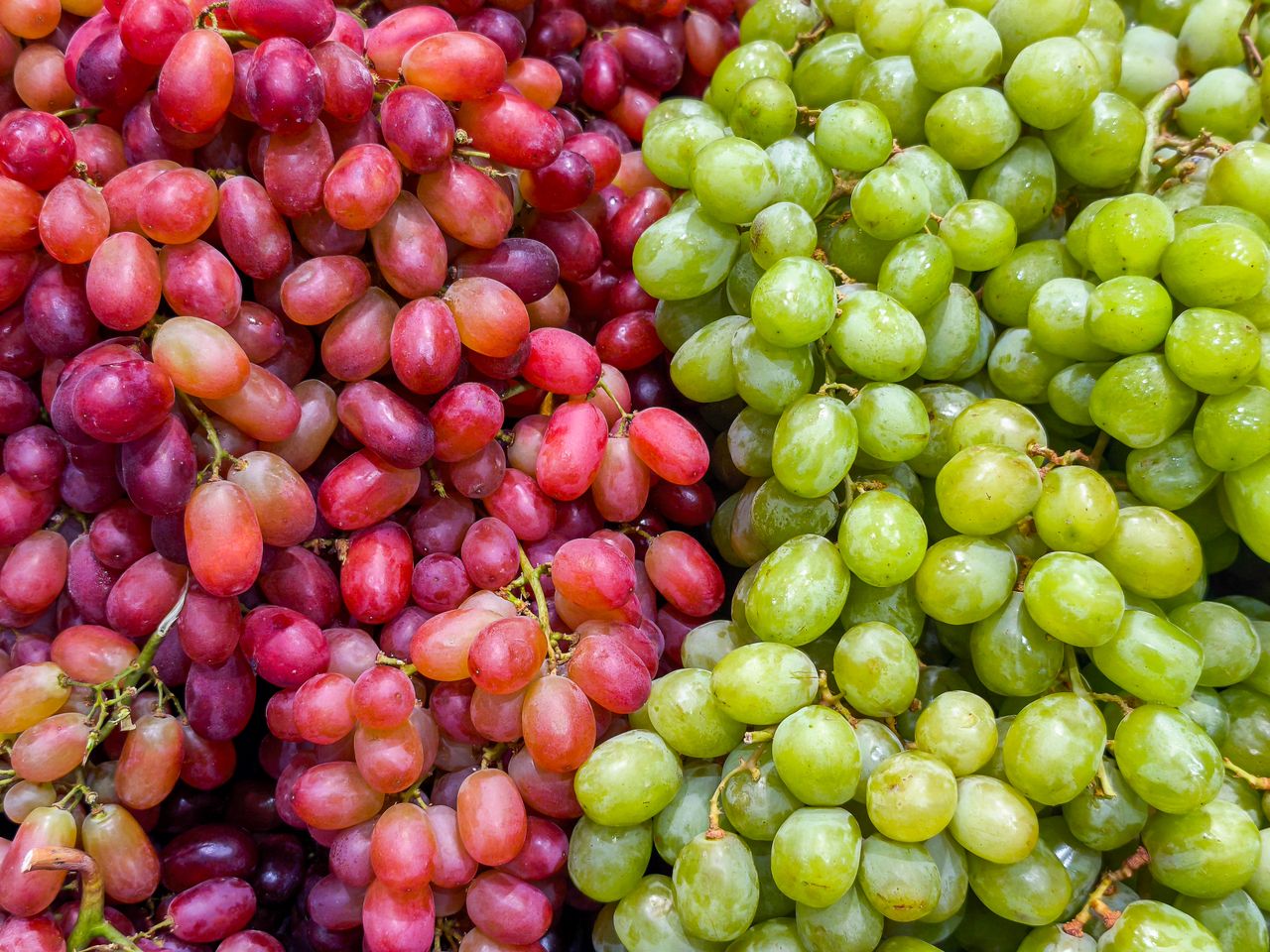
Grapes contain antioxidants that may improve blood vessel function and support healthy blood pressure. Some studies have also found that grape products, like grape seed extract, may help lower blood pressure and heart rate. While more research is needed on whole grapes specifically, adding fresh grapes to your diet is an easy way to increase your intake of heart-healthy fruits.
7. Kiwi
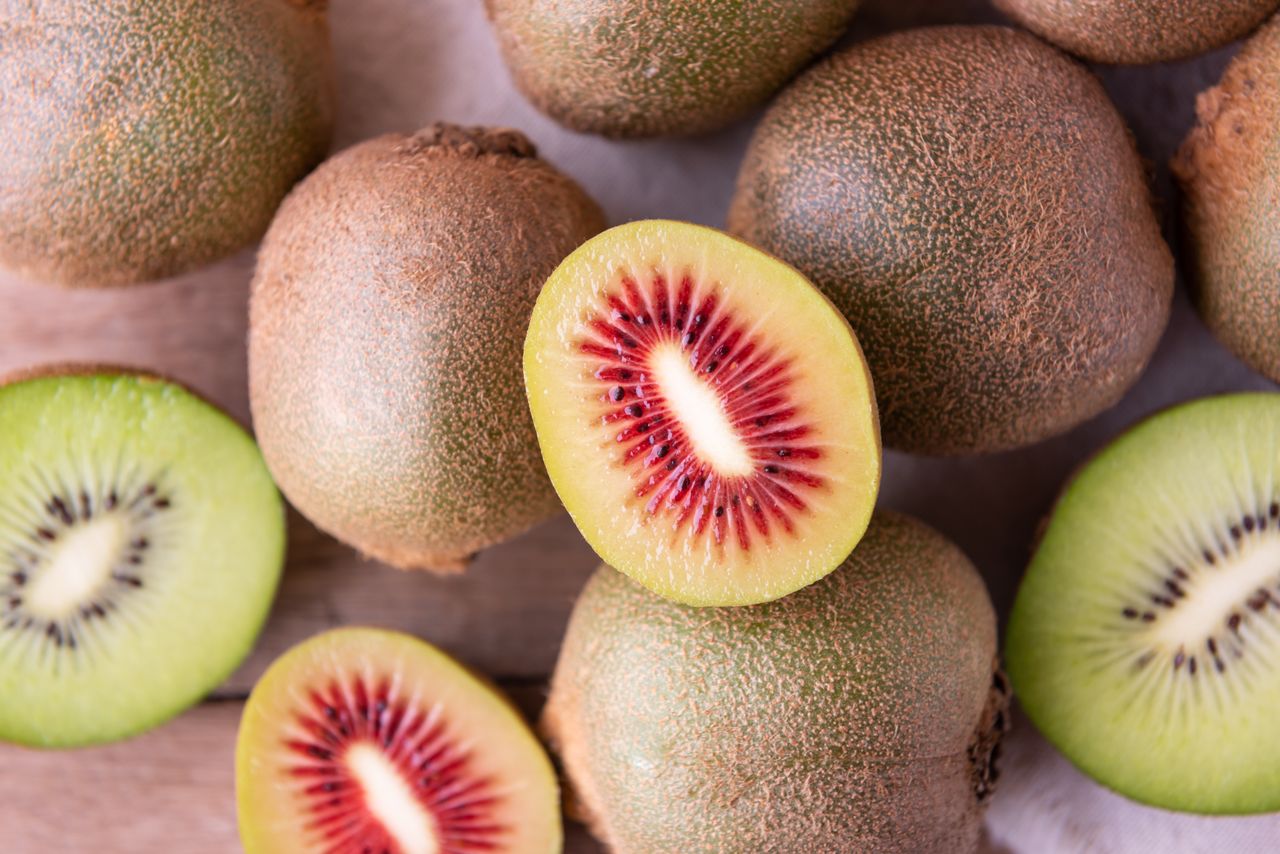
Kiwi is packed with vitamin C, vitamin E, potassium, and antioxidants that may help keep your heart healthy. Research suggests that eating kiwi regularly may improve cholesterol levels. Studies also show that kiwi may help lower blood pressure and reduce the risk of blood clots.
8. Mangoes
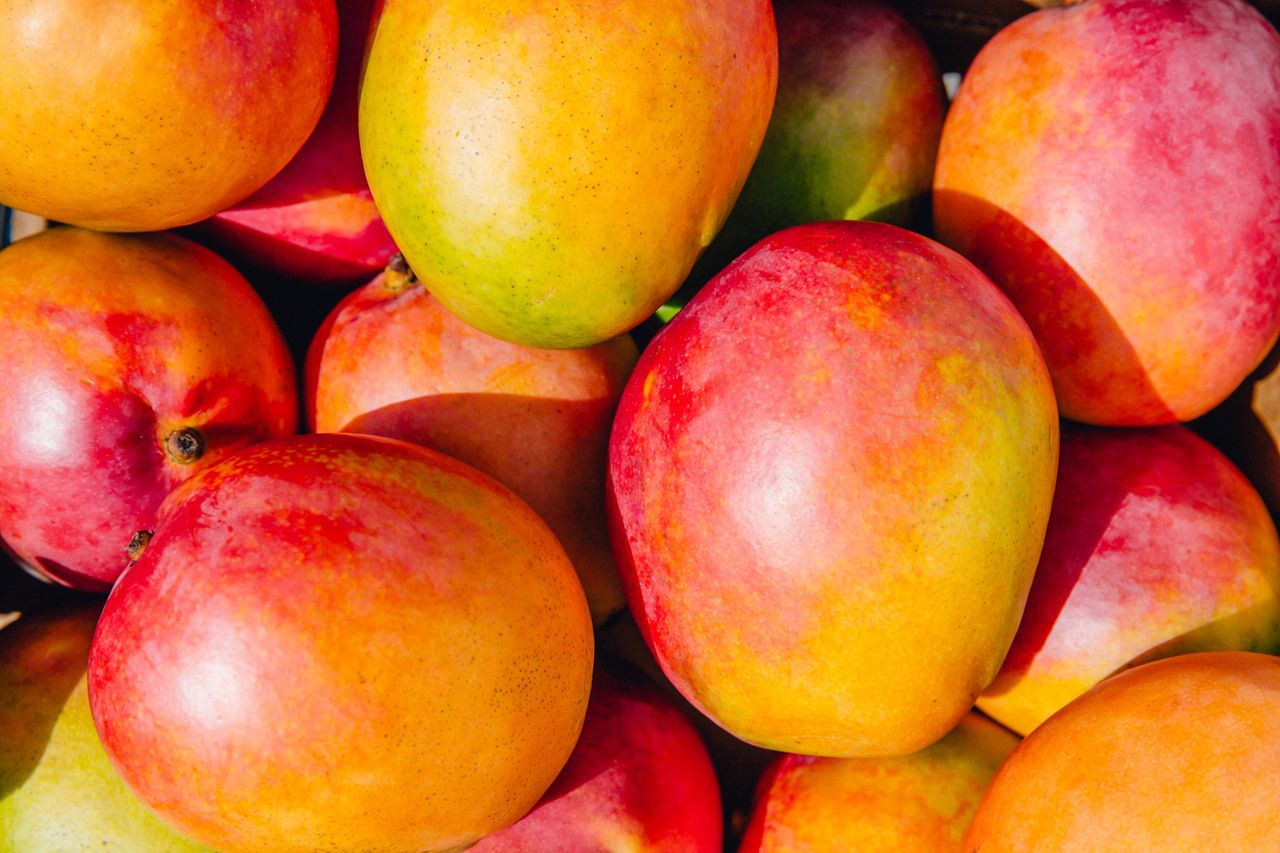
Mangoes provide vitamin C and antioxidants that help protect the heart. These nutrients may reduce oxidative stress, which is a process that can damage blood vessels and lead to heart disease. Research also suggests that mangoes may help improve cholesterol levels and reduce risk factors like excess body fat.
9. Pomegranate
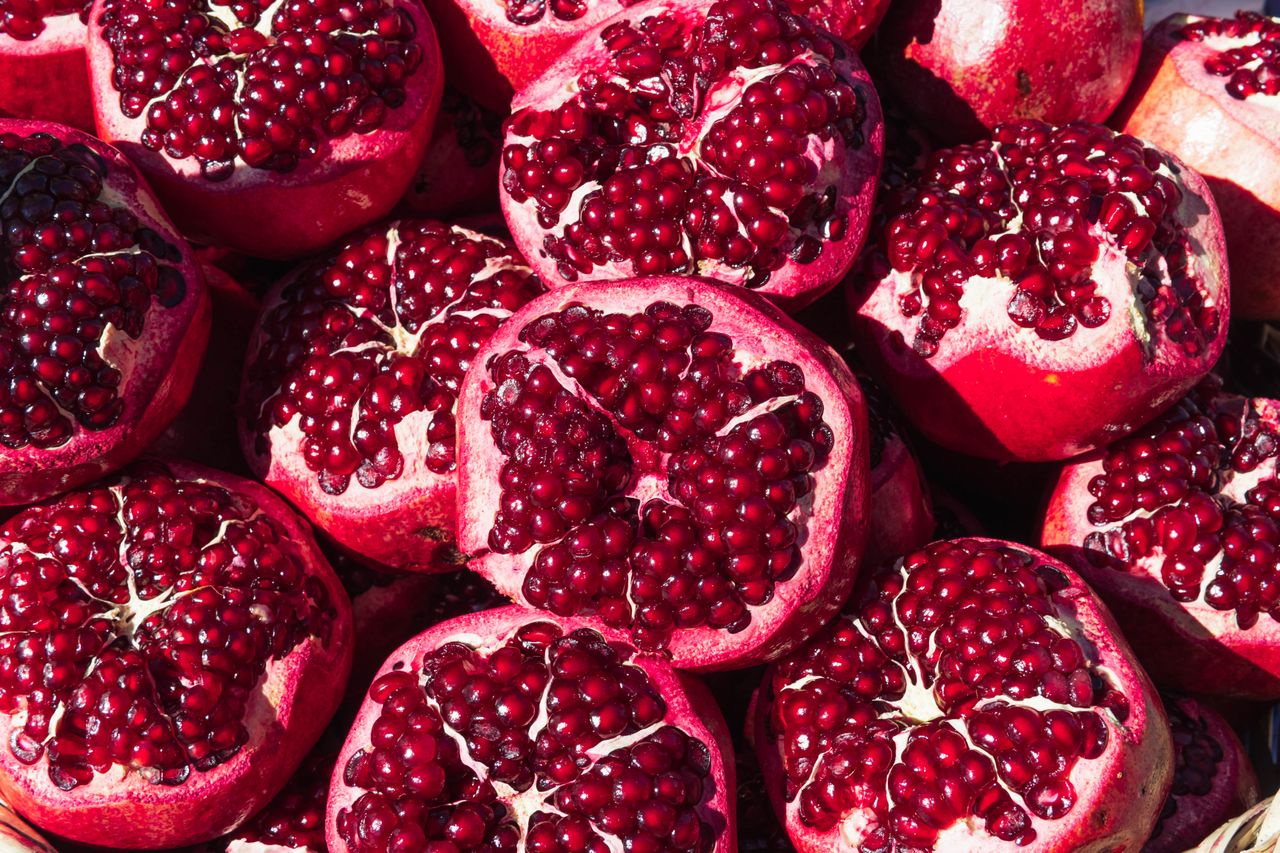
Pomegranates contain lots of antioxidants that may help protect the heart and blood vessels. Research shows that these compounds can reduce oxidative stress and inflammation and may improve blood vessel function. While many of these findings come from studies using pomegranate juice or extracts, eating the whole fruit is still a nutritious way to increase your intake of heart-supporting fruits.
10. Pineapple
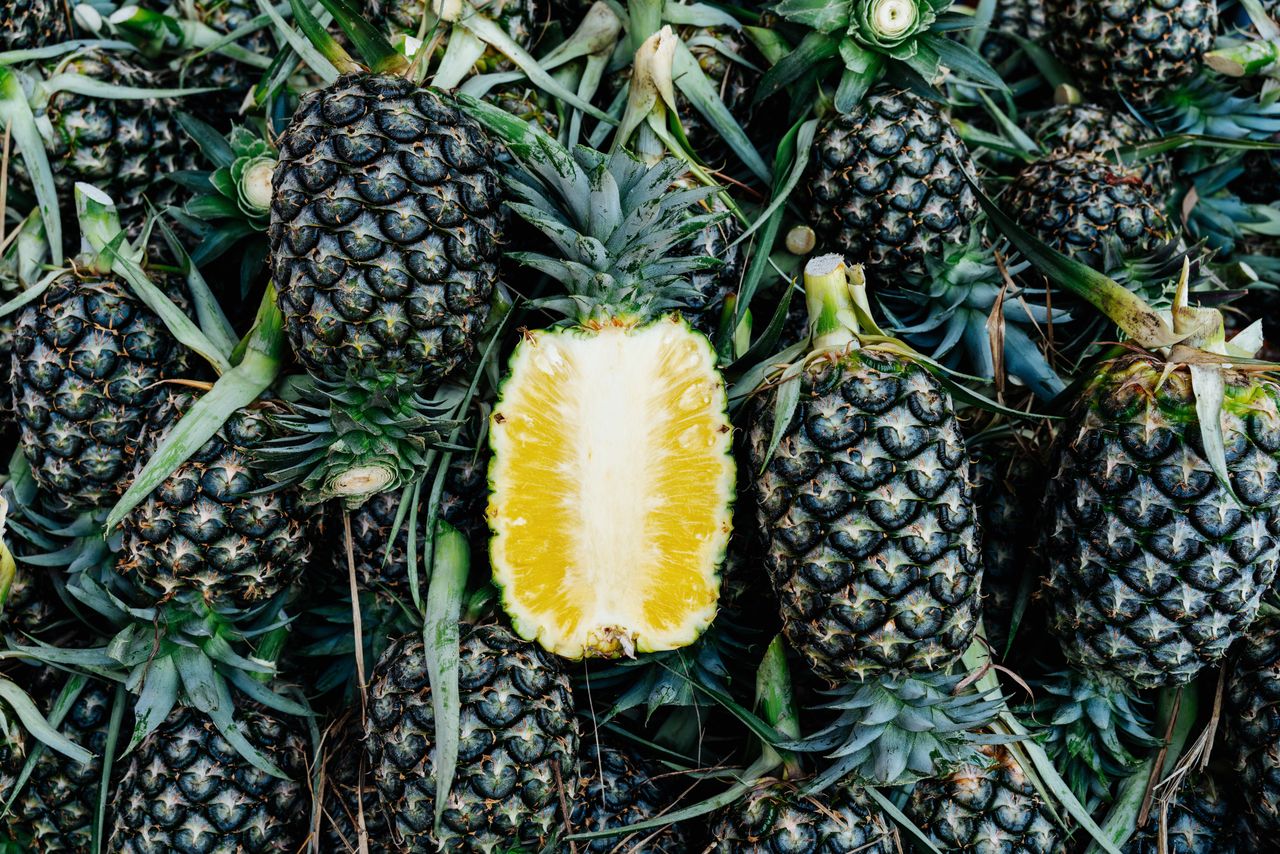
Pineapple contains vitamin C and bromelain, a natural enzyme with antioxidant and anti-inflammatory properties. This fruit has nutrients that may help protect blood vessels, support healthy cholesterol levels, and reduce inflammation. Some studies have also found that bromelain may help reduce blood clot formation.
11. Papaya
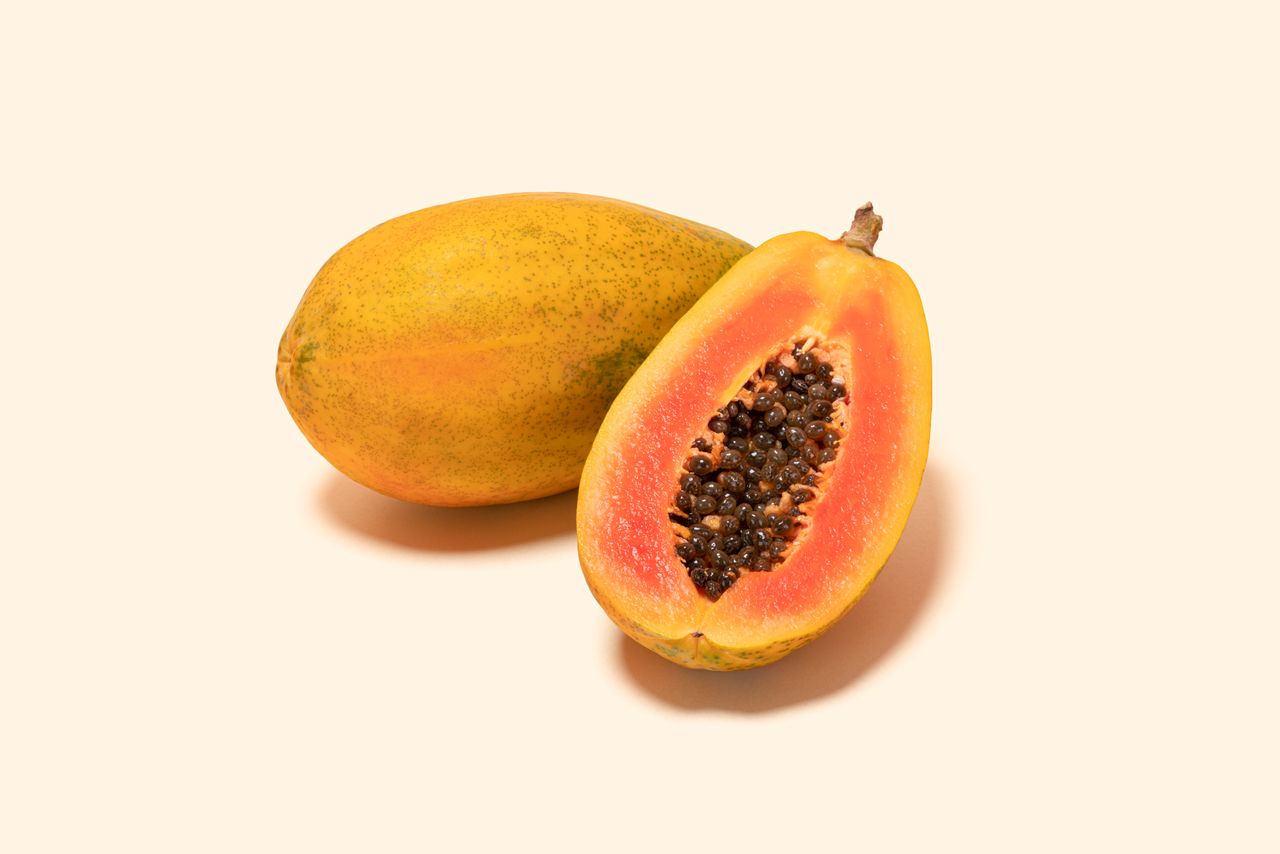
Papaya is rich in vitamin C, vitamin A, fiber, potassium, and magnesium. These nutrients may help protect against heart attacks and stroke. Some research shows papaya contains plant compounds that may help relax blood vessels and lower blood pressure. Adding papaya to your diet may also help reduce cholesterol absorption.