





































































UK-India FTA worth $6.5 billion to come into force on July 15 after Starmer-Modi talks at G7
The two sides reportedly agreed to move ahead with the agreement despite concerns raised by India over Britain's upcoming steel tariff regime, which is scheduled to take effect on July 1.

BRITAIN'S free trade agreement (FTA) with India will come into force on July 15, the UK government announced on Wednesday (June 17), clearing the way for the implementation of a deal expected to boost bilateral trade and investment between the two countries.
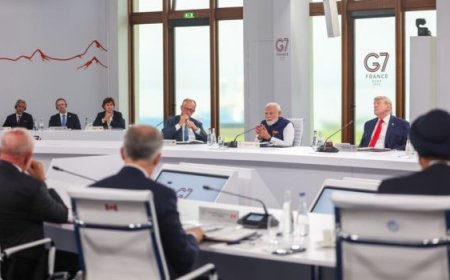
The announcement follows discussions between British Prime Minister Keir Starmer and Prime Minister Narendra Modi on the sidelines of the G7 Summit in France.
The two sides reportedly agreed to move ahead with the agreement despite concerns raised by India over Britain's upcoming steel tariff regime, which is scheduled to take effect on July 1.
Concerns over UK steel tariffs
Indian officials reportedly indicated that New Delhi could seek to reopen discussions or delay implementation of the trade pact due to worries about the impact of new UK trade measures affecting steel imports.
The dispute had cast uncertainty over the rollout of the agreement, which was signed last year and is estimated to be worth £4.8 billion ($6.5 billion).
However, talks between Starmer and Modi helped clear the way for the agreement's implementation as scheduled.
UK urges businesses to prepare
British Business and Trade Secretary Peter Kyle welcomed the decision and urged companies to take advantage of the opportunities created by the pact.
“The deal gives British exporters an edge over international competitors, and I would encourage all businesses to ensure they are properly prepared,” Kyle said in a statement.
The UK government said businesses have 28 days to complete the registration process required to benefit from tariff reductions under the agreement.
Major tariff cuts under the agreement
The FTA is expected to significantly improve market access for businesses in both countries through a series of tariff reductions.
Under the agreement:
-India will reduce tariffs on British whisky from 150% to 40%.
-Tariffs on automobiles will be lowered to 10% under a quota system, from levels of up to 100%.
-The UK will cut tariffs on a range of Indian exports, including clothing, footwear and certain food products.
The reductions are expected to make products more competitive in both markets and encourage greater trade flows.
Boost for bilateral economic ties
The implementation of the agreement marks a major milestone in India-UK economic relations and is expected to strengthen commercial ties between the world's fifth- and sixth-largest economies.
The deal aims to increase bilateral trade, create new business opportunities and support investment across sectors including manufacturing, consumer goods, food products and services.
For Britain, the agreement is one of its most significant post-Brexit trade deals, while for India it expands access to a major export market and deepens engagement with a key strategic partner.