









































































.jpg?#)






Trump says Iran war 'terminated,' as war powers deadline arrives
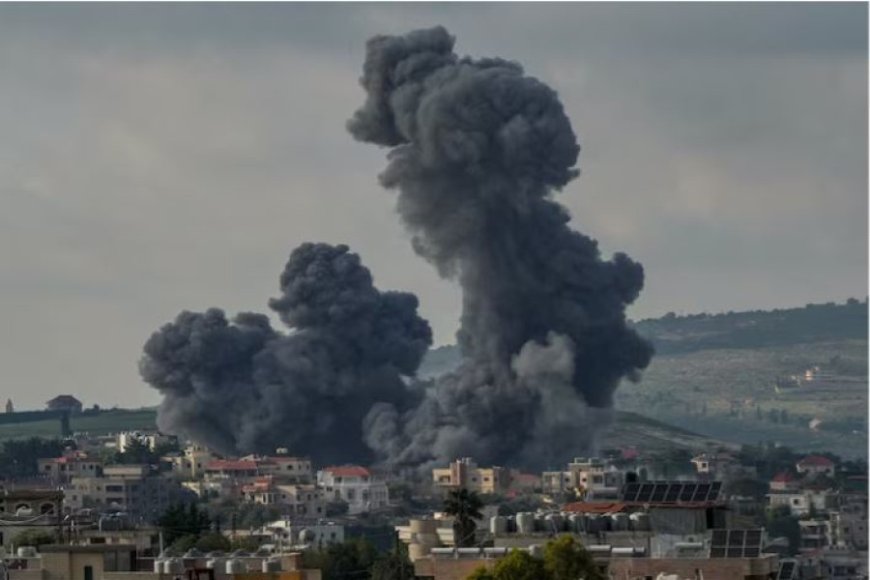
US President Donald Trump declared that a ceasefire had "terminated" hostilities against Iran, as he sought to bolster his argument that he does not need lawmakers' permission to continue the conflict.
In a letter to congressional leaders on Friday, the deadline to come to Congress about the war, Trump said there has been no exchange of fire with Iran since the ceasefire.
"The hostilities that began on February 28, 2026, have terminated," he said.
Under the 1973 War Powers Resolution, a U.S. president can wage military action for only 60 days before ending it, asking Congress for authorization or seeking a 30-day extension due to "unavoidable military necessity regarding the safety of United States Armed Forces" while withdrawing forces.
On Friday, the Iranian state news agency IRNA said Tehran had sent its latest proposal for negotiations with the U.S. to Pakistani mediators. Trump swiftly rejected it.
The president formally notified Congress of the conflict 48 hours after the first airstrikes two months ago, starting the 60-day clock that ends May 1.
As the date approached, congressional aides and analysts said they expected the Republican president to sidestep the deadline. A senior Trump administration official had said on Thursday the administration's view was that the war powers law deadline did not apply.
Trump said he considered the war powers law unconstitutional. Both Republican and Democratic presidents have contended the measure violated the Constitution because it sets limits on the president's powers as commander-in-chief. Legal experts say the matter has not been decided by the courts.
"We had a ceasefire, so that gives you additional time," Trump said before leaving Washington for Florida.
NO WAY OUT: DEMOCRATIC SENATOR
Congressional Democrats, who have tried repeatedly to pass war powers legislation that would force Trump to end the war or come to Congress for authorization, dismissed that characterization, saying there was nothing in the 1973 law allowing for a ceasefire.
They also said that the continuing deployment of U.S. ships blockading Iranian oil exports was evidence of continuing hostility, not a ceasefire.
“After sixty days of conflict, President Trump still does not have a strategy or way out for this poorly planned war," Senator Jeanne Shaheen of New Hampshire, the top Democrat on the Senate Foreign Relations Committee, said in a statement calling the deadline "a clear legal threshold" for Trump to act.
In his letter to Congress, Trump acknowledged that the conflict may not be resolved. He said Iran still poses a "significant" threat to the United States and its armed forces.
PARTY LOYALTY AS ELECTIONS LOOM
Trump's fellow Republicans, who hold slim majorities in the Senate and House of Representatives and rarely break from Trump, have voted almost unanimously to block every resolution seeking to end the conflict.
The Iran war has killed thousands, caused billions of dollars in damage and roiled world markets, disrupting energy shipments and boosting a wide range of consumer prices.
Polls show the war is unpopular among Americans, six months before the November elections that will determine who controls Congress next year.
The U.S. Constitution says only Congress, not the president, can declare war, but that restriction does not apply to short-term operations or to counter an immediate threat.
On Thursday, Trump received a briefing on plans for fresh military strikes to compel Iran to negotiate an end to the conflict.
If fighting resumes, Trump can tell lawmakers he has started a new 60-day clock. Presidents from both parties have repeatedly done so when waging intermittent hostilities since Congress passed the War Powers Act in response to the Vietnam War.
That conflict, widely unpopular with Americans, was also not authorised by Congress.