




































































.jpg?#)






Kerala tops in morbidity, dependency on private hospitals: National Sample Survey
Kerala, a state known for high life expectancy and other stellar health indices, has the highest level of morbidity in the country. An indicator of high disease burden in the population, around 40% of people in the state reported ailments during the National Sample Survey focusing on 'Household Social Consumption on Health'. The latest survey on health also showed Kerala's high dependence on the private health sector, with only around 30% of the population depending on the state's public sector for hospitalisation.Morbidity is measured as the percentage of persons responding as ailing (PPRA) during the last 15-day period of the survey. Kerala leads this list with a PPRA of 39.7%, three times the national average of 13.1%. In fact, Kerala is the only state with over 25% PPRA. The morbidity pattern is assessed by grouping around 62 ailments, including cardiovascular issues, injuries, kidney failure, infections, etc., under 17 broad categories. Kerala's high morbidity could also be linked to the state's high proportion of older population. Nearly 78% of those who reported ailments in Kerala were aged above 60.In terms of hospitalisation, 66.5% of people depend on private hospitals and 3.5% on hospitals run by NGOs or charitable trusts in Kerala. Only the remaining 30% are hospitalised in government hospitals.The survey showed a strong preference for institutional childbirth (96.2%) across the country. Home deliveries were minimal in both rural and urban areas. Kerala recorded 100% institutional childbirth, in both urban and rural areas. Keralites also spent the highest average amount of Rs 39,893 for institutional childbirth, much higher than the national average of Rs 15,595. Average out-of-pocket spending for childbirth — Rs 36,622 — is also the highest in Kerala. Out-of-pocket spending is the amount individuals or households spend on treatment.Medical expensesThe latest National Health Account Estimates of 2021–22 recorded Kerala as having the highest per capita out-of-pocket expenditure at Rs 7,889. The per capita total health expenditure of Rs 13,343 was also the highest in the country. The NSS, instead, assessed the average out-of-pocket expenditure per hospitalisation, which for Kerala is Rs 35,338 — only slightly higher than the national average of Rs 34,064. The average out-of-pocket expenditure in public hospitals in Kerala is Rs 9,313, which is higher than the national average of Rs 6,631. However, many states — Chandigarh, Sikkim, Assam, Bihar, etc. — record higher out-of-pocket expenditure in public hospitals than Kerala.Average medical expenditure as an in-patient in Kerala is Rs 9,309 in government hospitals, Rs 68,009 in charitable organisations or NGOs, and Rs 53,259 in private hospitals. The average medical expenditure in the government sector is higher than the national average of Rs 7,042. However, the private sector figure is lower than the national average.
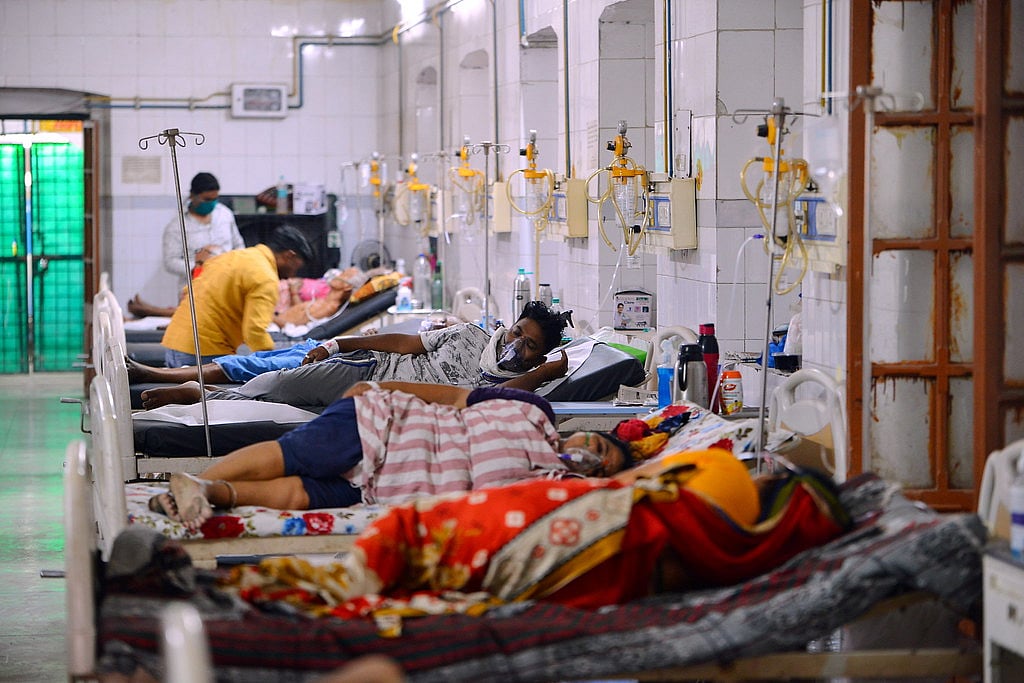
KERALA, a state known for high life expectancy and other stellar health indices, has the highest level of morbidity in the country.
An indicator of high disease burden in the population, around 40% of people in the state reported ailments during the National Sample Survey focusing on 'Household Social Consumption on Health'.
The latest survey on health also showed Kerala's high dependence on the private health sector, with only around 30% of the population depending on the state's public sector for hospitalisation.
Morbidity is measured as the percentage of persons responding as ailing (PPRA) during the last 15-day period of the survey. Kerala leads this list with a PPRA of 39.7%, three times the national average of 13.1%.
In fact, Kerala is the only state with over 25% PPRA. The morbidity pattern is assessed by grouping around 62 ailments, including cardiovascular issues, injuries, kidney failure, infections, etc., under 17 broad categories.
Kerala's high morbidity could also be linked to the state's high proportion of older population. Nearly 78% of those who reported ailments in Kerala were aged above 60.
In terms of hospitalisation, 66.5% of people depend on private hospitals and 3.5% on hospitals run by NGOs or charitable trusts in Kerala. Only the remaining 30% are hospitalised in government hospitals.
The survey showed a strong preference for institutional childbirth (96.2%) across the country. Home deliveries were minimal in both rural and urban areas. Kerala recorded 100% institutional childbirth in both urban and rural areas.
Keralites also spent the highest average amount of Rs 39,893 for institutional childbirth, much higher than the national average of Rs 15,595. Average out-of-pocket spending for childbirth — Rs 36,622 — is also the highest in Kerala. Out-of-pocket spending is the amount individuals or households spend on treatment.
Medical expenses
The latest National Health Account Estimates of 2021–22 recorded Kerala as having the highest per capita out-of-pocket expenditure at Rs 7,889. The per capita total health expenditure of Rs 13,343 was also the highest in the country.
The NSS, instead, assessed the average out-of-pocket expenditure per hospitalisation, which for Kerala is Rs 35,338 — only slightly higher than the national average of Rs 34,064. The average out-of-pocket expenditure in public hospitals in Kerala is Rs 9,313, which is higher than the national average of Rs 6,631.
However, many states — Chandigarh, Sikkim, Assam, Bihar, etc. — record higher out-of-pocket expenditure in public hospitals than Kerala.
Average medical expenditure as an in-patient in Kerala is Rs 9,309 in government hospitals, Rs 68,009 in charitable organisations or NGOs, and Rs 53,259 in private hospitals.
The average medical expenditure in the government sector is higher than the national average of Rs 7,042. However, the private sector figure is lower than the national average.