






















































































Why ants are taking over your kitchen right now—and how to stop them fast
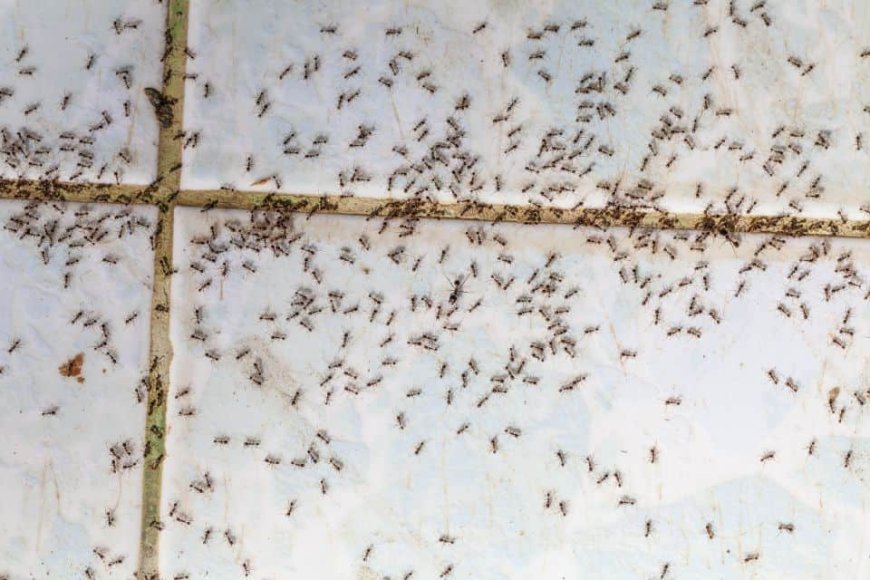
SPRING is the time of year when the most frustrating pests start to wake up and become more active. And chances are, you’ve been spotting groups of unwanted ants in your kitchen.
We spoke with Mosquito Squad Plus Entomologist Emma Grace Crumbley to learn more about how you can control ants during spring. She says you’re much more likely to see ants in your kitchen during spring and summer than you would in cold weather.
“During winter, ants enter a state of dormancy in which their metabolism slows, and their activity drops to conserve energy,” says Crumbley. “Once temperatures reach 50F consistently, ants become energised and begin foraging for food and swarming to start new colonies.”
It’s time for ants to start hunting down new sources of food, and their next stop is your kitchen. Here’s why your kitchen is attracting ants, and what you can do about it.
Why Your Kitchen Is a Hotspot for Ants During Spring
“Ants will travel fairly far distances away from their nests when it comes to foraging for food. Whether you have an ant hill right next to your house or one on the other side of your yard, it’s likely those ants will find their way to your kitchen,” Crumbley explains.
She adds that the ants you see in your kitchen are attempting to find a food source that the rest of their colony can collect from. “Once ants find a food source they like, they leave a pheromone trail that guides other ants to and from the food and the colony. That’s why ants tend to trail together when collecting food. They’re following a chemical path that a forager ant left behind, almost like a roadmap.”
Naturally, your kitchen is the spot where ants are likely to find the most food—whether it’s a few leftover crumbs or the food you’ve stored in your pantry. “Other places ants forage around our home could include overflowing trash cans, pet food left outside for a long time, and compost piles,” adds Crumbley—all areas that are likely inside or close to your kitchen.
How to Prevent More Ants from Entering Your Home This Season
“Ants usually get in and out of kitchens through the cracks around nearby doors and windows, so sealing up unwanted entry points is a great way to exclude ants from your kitchen,” explains Crumbley.
You should already be resealing your doors and windows as part of your spring maintenance checklist; while you’re busy checking for ant access points, Crumbley also recommends looking for gaps around your plumbing or appliance hookups.
When in Spring Are Ants Most Active?
While you’ve probably already begun seeing ants in your kitchen, Crumbley says that they become even more active later in the season. “Most ant activity occurs later in the season and after spring rainstorms. As temperatures continue to warm up, ants and other pests will become more active, so late-spring ant invasions tend to be more aggressive and noticeable than early spring infestations,” she explains.
If you live in a climate that’s prone to summer rainstorms, Crumbley says this can also lead to rapid ant infestations. Ants will be flooded out of their colonies by heavy rain, leading them to flee straight into your home.
How to Get Rid of Ants in Your Kitchen This Spring
The most important part of addressing your kitchen ant infestation is getting to the root of the issue first. “Though [you] might have the impulse to squish every ant [you] see, resisting that urge can actually help you understand and manage your ant problems better,” says Crumbley. “As I mentioned before, ants follow pheromone trails to and from food sources and their nests. If you notice ants trailing in your kitchen, following that trail will lead you to the entry points they’re using to get in as well as the location of their nest.”
Once you’ve identified the entry points that ants are taking advantage of, you can seal these areas off. If you identify a nearby nest, you should call in a professional for help removing it, which can prevent ants from reentering your kitchen for good.
Baits and Repellents
If you want to start by addressing your ant infestation yourself, Crumbley has some useful advice. “I would caution against putting out too many products at once. Some ant products are designed as baits attractive to ants, while others are designed as repellents.
“Putting out baits and repellents at the same time, in addition to any cleaning products you may use to tidy up your kitchen, may result in a less effective control plan as ants are being baited, repelled, and discouraged all at the same time. Instead, choose one approach at a time (bait, repel, increase sanitation) instead of combining all three,” she explains.
Lastly, Crumbley says that not every type of ant can be dealt with on your own. If you spy carpenter ants or fire ants in your kitchen, call in a professional right away, as these ants can be particularly tricky to get rid of.