









































































Saudi Arabia braces for dust storms and strong winds through Saturday
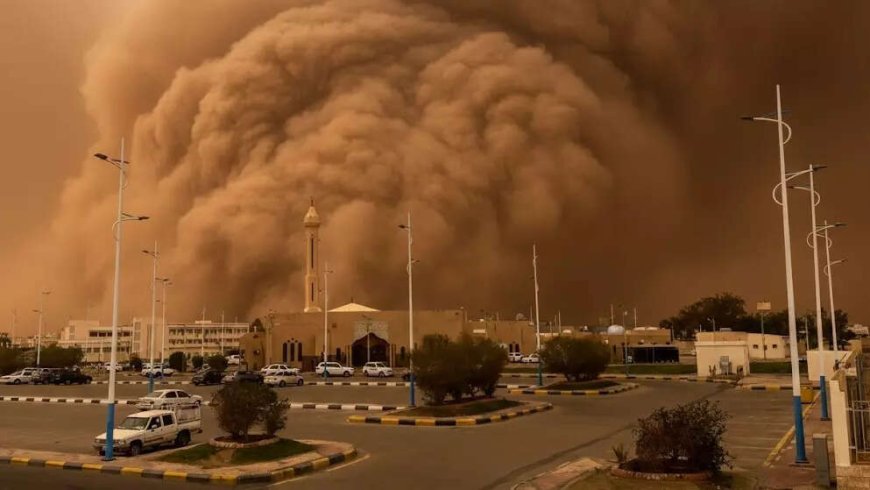
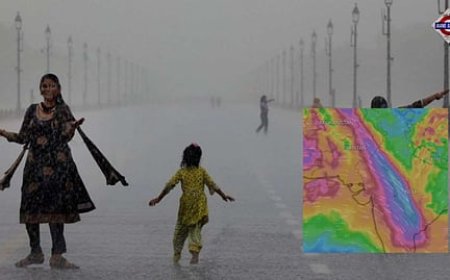
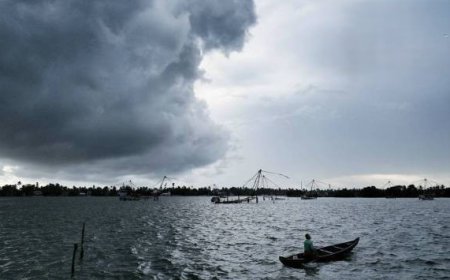
SAUDI Arabia’s National Centre for Meteorology has warned of increased dust storms, strong winds and rising wave heights from today through Saturday, February 28, as unstable weather conditions affect large parts of the Kingdom.
The centre said the regions most exposed to the weather system include Tabuk, Medina and Mecca, including coastal areas, as well as Al Jouf, the Northern Borders and Hail.
Weather activity is expected to extend to Qassim, Riyadh, the Eastern Province and Najran, with the most pronounced impacts likely during daytime hours, according to the NCM.
The metrology authority advised the public to monitor official updates as conditions evolve.
As per the latest information from the Saudi authorities, the country has been issued with Red and Orange warnings, indicating the severity of the upcoming sandstorm.
The Red alert, the highest level of warning, signals extreme weather conditions that could lead to visibility hazards, posing significant risks to outdoor activities, travel, and health.
The Orange alert, while slightly less severe, still highlights conditions that could be dangerous to travellers, especially those on the roads. With both alerts in effect, authorities have urged residents and visitors to exercise caution.
Areas Affected by the Sandstorm
The storm is impacting a wide stretch of Saudi Arabia, particularly affecting the central and eastern parts of the country.
Cities like Riyadh, Dammam, and surrounding areas are facing a sharp decline in air quality, with dense dust clouds reducing visibility to hazardous levels. Residents and travellers are being advised to limit their time outdoors, especially during peak storm hours, to avoid exposure to harmful dust particles.
Health Concerns and Safety Measures
Dust storms can pose serious health risks, particularly for individuals with respiratory conditions, such as asthma.
Saudi health authorities have issued specific advice for vulnerable groups, including the elderly, children, and individuals with pre-existing health conditions. The Ministry of Health has advised residents to stay indoors, keep windows and doors shut, and avoid strenuous physical activity during the storm’s peak.
Additionally, people with respiratory issues are recommended to use face masks to protect themselves from dust inhalation.
For those in affected areas, the use of air purifiers and air-conditioning units is strongly encouraged, as these can help filter out fine dust particles, improving indoor air quality.
Travel Disruptions: How the Sandstorm Is Affecting Transportation
Travellers in Saudi Arabia are facing considerable disruptions due to the sandstorm. Airport operations have been impacted by the reduced visibility, leading to delays and cancellations. The General Authority of Civil Aviation (GACA) has advised travellers to check the status of their flights before heading to the airport, as the storm could cause significant flight delays.
In addition to air travel, roadways are also experiencing disruptions. The Saudi Traffic Police have warned drivers to exercise extreme caution, especially on highways and roads leading to remote areas. Strong winds and flying debris may cause accidents, and drivers are urged to pull over if conditions become too dangerous.
How to Prepare for the Storm: Expert Advice
Given the ongoing sandstorm, residents and travellers in Saudi Arabia should take several precautions to ensure their safety. Authorities have recommended the following measures:
Stay Indoors: Limit outdoor activities as much as possible, especially during periods of peak dust storms.
Wear Protective Gear: Individuals with respiratory issues should wear N95 masks or similar protective gear when going outside. It is also advisable to wear goggles to protect the eyes from dust.
Check Flight and Road Conditions: Always check for updates on travel schedules before heading to the airport or setting off on a journey. Road conditions and visibility may change rapidly.
Secure Property: Ensure that windows and doors are tightly closed to prevent dust from entering your home. Secure loose outdoor objects that could become airborne in the strong winds.
Emergency Response and Assistance
The Saudi government has mobilised emergency services to respond to the storm. The Ministry of Interior has urged all citizens and residents to remain informed about the ongoing weather conditions through official channels. The government has also made provisions for medical assistance to individuals affected by the storm, with hospitals and clinics on alert to treat those experiencing respiratory distress or other storm-related injuries.
Additionally, local authorities in various regions are setting up shelters for those in need of temporary refuge, especially individuals who may find themselves stranded due to the weather. Emergency lines are also available for anyone requiring immediate assistance.
What to Expect in the Coming Days
The sandstorm is expected to persist through February 28, with winds reaching speeds of up to 60 km/h in some areas. While the storm is not uncommon for this time of year, the strength and duration of this particular event have raised concerns. The Saudi Meteorology Department has predicted that the worst of the storm may occur in the next 24 to 48 hours, with conditions gradually improving thereafter.
Travellers and residents should continue to stay informed through official weather updates and follow all safety recommendations. By adhering to these warnings, the impact of the storm can be minimised.