



















































































Jharkhand starts open jail reform: inmates to work outside by day, return by evening
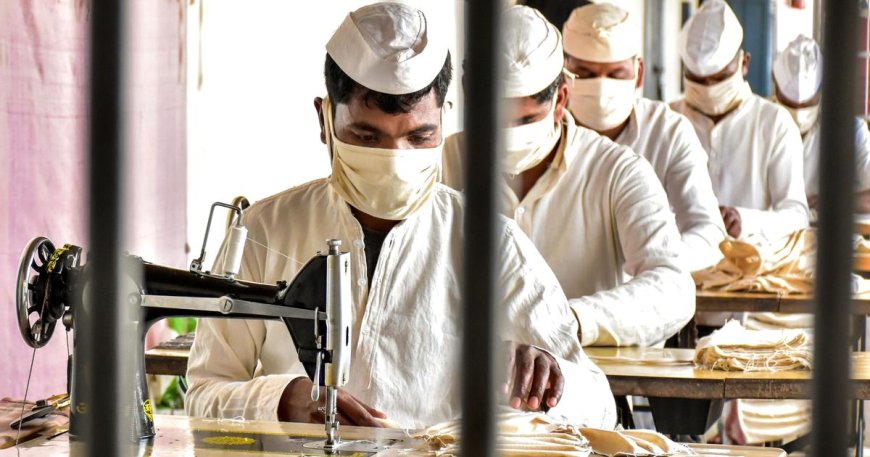
JHARKHAND is set to allow selected jail inmates to leave prison during the day, work outside and return by evening under a new open and semi-open barrack system. The move aims to give eligible prisoners a chance to earn a livelihood, support their families and prepare for life after release, reports The Economic Times.
The system will initially operate at four central jails in the state, with barracks and cells already identified for conversion. The initiative forms part of Jharkhand's wider correctional reforms and follows a Supreme Court direction on open correctional institutions.
How will the new system work?
Under the new arrangement, selected inmates will be allowed to leave prison around 6 am or 7 am to go to work outside. They will spend roughly 12 hours outside before returning to prison in the evening.
The government expects the system to work particularly well because the four participating prisons are located in urban areas, where inmates are likely to have more opportunities to find work and earn a livelihood.
The scheme will cover Birsa Munda Central Jail in Ranchi, Jai Prakash Narayan Central Jail in Hazaribag, Ghaghidih Central Jail in East Singhbhum and Dumka Central Jail.
Authorities have already identified barracks and cells at these prisons that can be converted into open or semi-open facilities.
Not every prisoner will qualify
The government will not allow all inmates to participate in the programme. Prison authorities will prepare a standard operating procedure to decide who can leave prison for work.
Good conduct and compliance with prison rules will form an important part of the eligibility criteria.
The idea is to give prisoners who have demonstrated responsible behaviour a controlled opportunity to work and gradually reconnect with life outside prison while continuing to serve their sentences.
Jharkhand prisons IG Sudarshan Mandal said inmates could leave around 6am or 7am and return after about 12 hours.
"Since these facilities are in urban centres, prisoners will have reasonable opportunities to earn a livelihood," Mandal said.
Why is Jharkhand introducing open jails?
The state cabinet recently approved the initiative through a government resolution. The move also draws on provisions in the Jharkhand Prison and Correctional Service Act, 2025, which provides for open correctional institutions.
The decision also follows a direction from the Supreme Court in the Suhas Chakma vs Union of India case.
The court asked states that did not have functional open correctional institutions to examine whether they could establish them. It also said states could create open or semi-open barracks inside existing prisons where building separate institutions was not practical.
Jharkhand's approach therefore uses its existing prison infrastructure rather than waiting to construct entirely new open correctional facilities.
What is the purpose of the reform?
The government sees the programme as more than a way to provide prisoners with temporary access to jobs.
By allowing selected inmates to earn money, the system could help them contribute financially to their families while also giving them work experience before they eventually return to society.
Officials also expect the arrangement to support the broader goal of rehabilitation and reintegration. Instead of spending the entire day inside prison, eligible inmates will have a structured routine involving work outside and a return to prison at the end of the day.
The government plans to expand similar interventions based on the experience of the initial four prisons.