













































































India advises against travel to DRC, Uganda and South Sudan following Ebola emergency
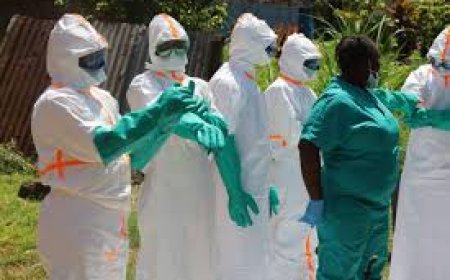
The health ministry has urged citizens to avoid non-essential travel to those three countries after the WHO declared a global emergency over the Bundibugyo Ebola species, which currently lacks an approved vaccine or specific treatments.

INDIA'S Union Ministry of Health and Family Welfare on Sunday (May 24) advised citizens to avoid non-essential travel to Ebola disease-affected countries, including the Democratic Republic of the Congo, Uganda and South Sudan, following the World Health Organisation’s declaration of the outbreak as a Public Health Emergency of International Concern (PHEIC).
“In light of the reported outbreaks of Ebola disease in the Democratic Republic of the Congo (DRC) and Uganda, the World Health Organization (WHO), under the International Health Regulations (IHR), 2005, on May 17, 2026, determined the situation to be a Public Health Emergency of International Concern (PHEIC),” the health ministry said in a statement.
The ministry noted that the World Health Organisation had issued the declaration amid growing concerns over the spread of the Bundibugyo strain of the Ebola virus in parts of central and east Africa. The Africa Centres for Disease Control and Prevention has also classified the outbreak affecting the Democratic Republic of the Congo and Uganda as a Public Health Emergency of Continental Security (PHECS).
According to the ministry, the WHO International Health Regulation Emergency Committee on May 22 issued temporary recommendations aimed at strengthening disease surveillance at points of entry. These include measures to “detect, assess, report and manage travellers with unexplained febrile illness arriving from areas with documented Bundibugyo virus detection” while also “discouraging travel to areas with documented Bundibugyo virus detection”.
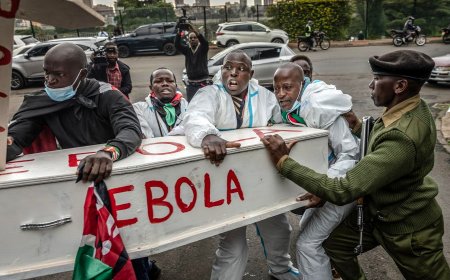
As of May 21, the WHO reported 746 suspected cases and 176 deaths among suspected cases in the Democratic Republic of the Congo. Across both the DRC and Uganda, 85 confirmed cases, including two in Uganda, and ten confirmed deaths, including one in Uganda, have been recorded so far. The ministry said countries bordering the Democratic Republic of the Congo and Uganda, including South Sudan, were considered to be at high risk of transmission.
Ebola disease is a viral haemorrhagic fever caused by infection with the Bundibugyo strain of the Ebola virus. Health authorities have described it as a severe illness with a high mortality rate. The ministry added that there are currently no approved vaccines or specific treatments for Ebola disease caused by the Bundibugyo strain. India has not reported any case of Ebola disease linked to the Bundibugyo virus strain, the ministry reiterated.
“In view of the evolving situation in the Democratic Republic of the Congo and other affected countries, and in line with WHO’s recommendations, the Government of India advises all Indian citizens to avoid non-essential travel to the Democratic Republic of the Congo, Uganda and South Sudan until further notice,” the statement added.