




















































































Neurologists reveal how alcohol consumption at night can harm your brain health
MINDFULNESS experts often urge us to focus on the present: Live in the moment rather than worry about what you said yesterday or what you might have to deal with three months from now.
Still, that doesn't mean you should never think about the future. And what you do today—tonight, even—can lay the foundation for better brain health as you age, especially if you turn a single smart choice around your nightly routine into a habit.
"By far the most critical single nightly habit is sleep," says Dr. Paul E. Bendheim, MD, a clinical professor at the University of Arizona College of Medicine—Phoenix and the founder of BrainSavers, Inc. "Good sleep improves and protects brain health. Poor sleep quality is increasingly recognized as a risk factor for Alzheimer’s disease and all-cause dementia."
Another neurologist agrees, noting that nighttime is a pivotal period for your brain.
"Nighttime is when the brain does a large portion of its recovery work," says Dr. Jasdeep S. Hundal, Psy.D. ABPP-CN, the director of The Center for Memory & Healthy Aging at the Jersey Shore University Medical Center’s Hackensack Meridian Neuroscience Institute.
Dr. Hundal tells Parade that your brain recharges, repairs and organizes information from the day into memory while you sleep. A good night's rest also helps regulate your mood and reset attention for the next day, which 10/10 explains why you feel on edge after a bad night of sleep.
He notes that habits can, over time, affect your clarity, memory and the efficiency of your brain. There's one specific nightly habit that could be secretly shrinking your brain, though. Neurologists reveal the habit, which was once thought to be "healthy."
Dr. Mian notes that alcohol is toxic to brain cells. "It suppresses growth factors, which impairs the health of our neurons," Dr. Mian explains. "It’s like taking away sunlight and water from plants."
Another neurologist compares it to a side effect of another nighttime habit: taking a bath.
Dr. Jessica Zwerling, MD, MS, encourages people to consider how "wrinkled" their fingers can look after a long soak in the bathtub. Drinking can have a similar effect on the brain.
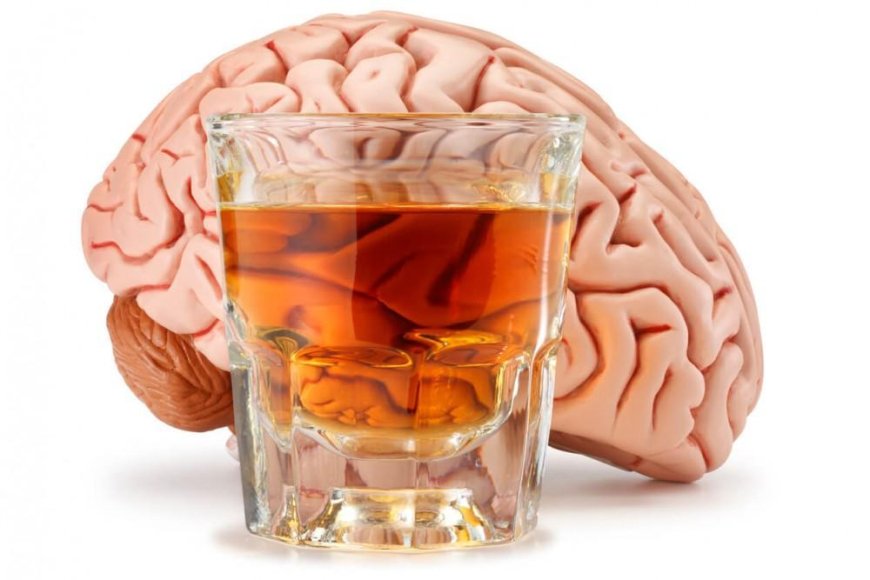
"When the brain is exposed to ongoing heavy drinking, it can shrink, or 'lose volume,' which affects the way we think," Dr. Zwerling reveals. "These changes can happen in vulnerable areas of the brain, particularly the hippocampus, which we think of as a 'storage chip.'"
She notes that shrinking (or "atrophy") can also happen in white and gray matter areas (neurons and axons in the central nervous system that help you process information), adding that areas affected by the shrinking can include the cerebellum (the balance center) and the frontal lobes (known for judgment and planning).
Alcohol can have a shrinking effect on the brain at any time of day. But nighttime is when you sleep, which can add an extra layer of stress on the brain (and your whole body). Alcohol's effect on sleep may surprise you if a cocktail or glass of red wine makes you sleepy.
"Alcohol acts as a sedative in the first half of the night," points out Dr. Bendheim. "In the second half of the night, as alcohol is metabolized, there is restless sleep, increased awakenings and a tendency towards unpleasant dreams—anxiety-laden."
But those sleep stages are the deep, restorative ones your brain needs to recover and store information, Dr. Hundal warns. "In simple terms, your brain is not getting the full reset it needs. Alcohol also slows communication between brain cells, so even if you sleep through the night, your brain is not processing and organizing information as effectively."
Other Ways Nightly Drinking Affects Brain Health
Dr. Hundal warns that alcohol can have short and long-term brain health consequences beyond shrinkage. "In the short term, alcohol slows down brain function," he says. "That affects attention, reaction time and decision-making. It also interferes with memory because your brain has more difficulty forming and storing new information, especially if sleep is disrupted."
Over time, Dr. Hundal shares that repeatedly consuming alcohol can have a cumulative effect, worsening all of the above and more. In the most severe cases, that long-term alcohol use is associated with structural and functional changes in the brain.
How Much Alcohol Is Safe for the Brain?
There's not a "safe" amount of alcohol for brain health, although this was not always thought to be the case. "The conversation around this is shifting," Dr. Hundal explains. "Moderate use was previously considered relatively safe, but more recent data suggests even lower levels may have some negative impact on brain health. From a brain perspective, less is generally better."
Dr. Bendheim understands that the whiplash on alcohol and health is real, but the more recent data on alcohol is sound.
"Although alcohol is deeply embedded in many cultural and social practices, the current evidence is clear: abstinence or very low consumption is generally the best choice for long-term brain and overall health," he explains.
He notes that more recent data trumps older research that suggested a possible link between heart health benefits and light drinking.
"It is important to acknowledge that not using alcohol can create meaningful psychological and social difficulty for some individuals," Dr. Bendheim explains. "However, and importantly, that concern does not negate the broader medical-scientific evidence documenting beyond doubt that even modest alcohol use carries real and severe long-term health risks."
3 Brain-Healthy Nightly Habits
Neurologists advise against drinking at night, saying it can shrink the brain. However, other habits can support a more restful sleep and improved brain health—starting tomorrow. Below, they shared some of their favorite brain-healthy nightly habits.
1. Keep a consistent sleep schedule
Going to bed and waking up at the same time—even on non-workdays—is one of the best ways to shift your sleep quality and duration in the right direction
"The brain functions best with regular sleep timing," Dr. Hundal says. "Most adults should aim for about seven to nine hours per night. Consistency helps regulate the brain’s internal clock, which improves sleep quality and supports memory, focus and overall cognitive performance."
2. Take a walk after dinner
This habit doesn't just help your pancreas and gut. Sure, it can improve digestion and lower blood sugar spikes, helping with insulin resistance. But insulin resistance does more than raise your risk for Type 2 diabetes.
"Insulin resistance causes damage to many structures in the body, including the arteries that feed our brain," Dr. Mian says. "Moreover, it reduces cortisol levels—the hormone that rises when we are stressed—which makes it easier to sleep. It makes it easier to shut your brain off, so you are not counting sheep or staring at the clock."
3. Limit screens before bed
Tonight's headlines can wait for tomorrow—ditto for whatever your friend has to say on social media about what her puppy just did or your favourite TikTok influencer's newest dance moves.
"Late-night phone use and scrolling keep the brain stimulated and make it harder to transition into sleep," Dr. Mian says. "It delays the natural wind-down process and reduces sleep quality. Giving your brain time to disconnect helps it move into a more restorative state."