












































































Not accepting employee's resignation would amount to ‘bonded labour,’ says HC
The Kerala High Court reportedly made it clear that the refusal to accept resignation would amount to 'bonded labour' which is prohibited under Article 23 of the Indian Constitution.

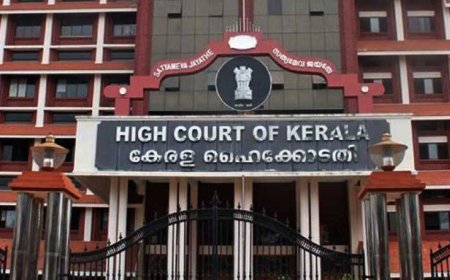
THE Kerala High Court recently observed that if an employer refuses to accept an employee's resignation, it amounts to "bonded labour."
According to Bar and Bench, Justice N Nagaresh said that once an employee resigns in accordance with the terms of employment, the employer has a duty to accept it, "unless there is a failure to comply with contractual conditions."
When can an employer refuse to accept a resignation?
Justice N Nagaresh explained that resignation can be refused only in certain situations, such as:
1. When there is a requirement of notice period
2. 'Heat of the moment' resignations which may be withdrawn
3. Serious pending disciplinary proceedings involving major misconduct
4. Financial loss to the organisation
However, the court observed that none of these situations existed in the present case and that the company's refusal to accept the resignation of its company secretary, citing financial crisis, was legally unsustainable, the Bar and Bench reported.
What did the Kerala HC say?
The judge was quoted by Bar and Bench as saying, “Financial issues or financial emergency cannot be a reason to force a company secretary to work for an incorporated company against his will and without his consent.”
"The disciplinary proceedings contemplated against the petitioner in the circumstances can only be seen as an attempt by the respondents to violate the right of the petitioner to resign from service," the court added.
The court reportedly made it clear that the refusal to accept resignation would amount to 'bonded labour' which is prohibited under Article 23 of the Indian Constitution.
What was the case?
The case pertained to a secretary who sought to resign from the Traco Cable Company Limited, a state public sector undertaking.
One Greevas Job Panakkal was the petitioner. He claimed that his salary payments had been irregular since October 2022, leaving him unable to sustain himself or care for his ailing mother who required continuous medical attention.
He submitted his resignation in March 2024, requesting to be relieved from service.
However, the company’s board rejected his resignation, stating that Panakkal's role was indispensable and that the company was facing critical financial crisis.
The management repeatedly directed him to resume duties and issued memos, warning him of disciplinary action.
Challenging these actions, Panakkal moved the court to quash the memos issued against him and to direct the company to accept his resignation.
After going through the facts and submissions, the high court observed that a company secretary's appointment as per the Companies Act, 2013, was registered with the Registrar of Companies and unless an employer filed the necessary statutory forms, a company secretary could not take up a similar employment elsewhere.
This would effectively prevent the petitioner from securing another job, the court noted.
What did the Kerala HC do then?
The court set aside the memos rejecting Panakkal’s resignation and the disciplinary proceeding notices, Bar and Bench reported.
It further directed the company to formally accept the resignation and relieve the petitioner from his service within two months and to settle his salary areas, leave surrender benefits, and other terminal dues at the earliest, based on the company's financial position.