




































































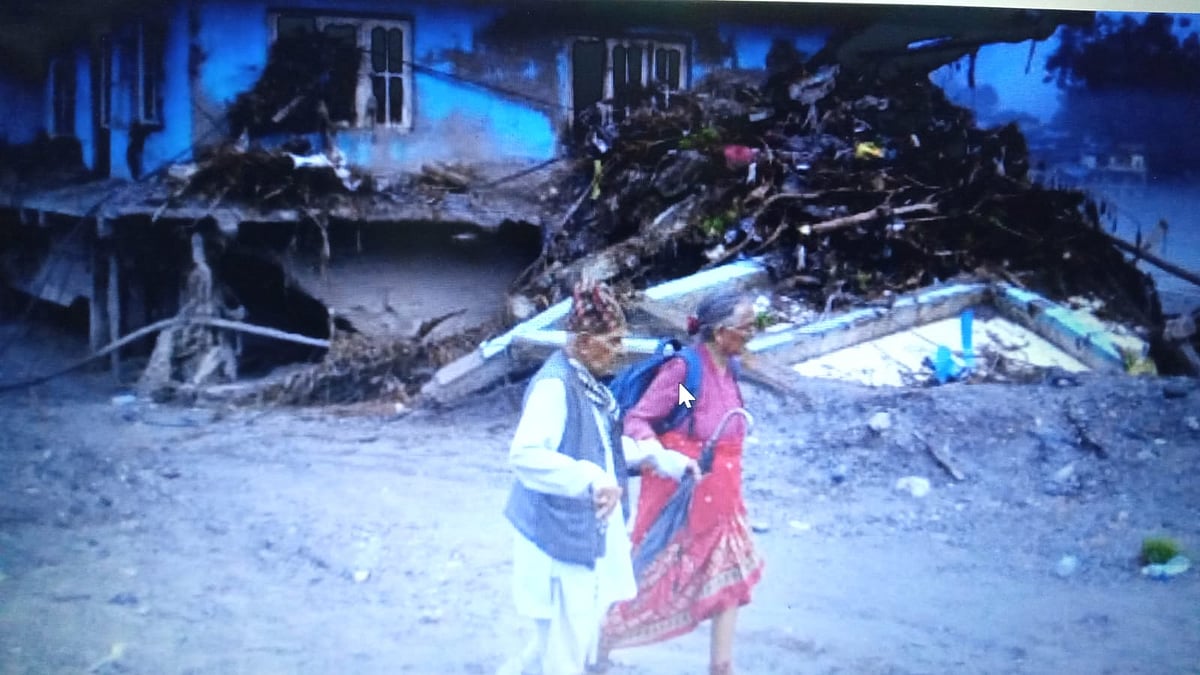








Nepal floods top updates: At least 469 dead, over 1,000 missing as China halts rescue ops amid risk of renewed flooding
Catastrophic floods in Nepal have killed at least 469 people, with more than 1,000 missing. Rescue efforts remain challenging amid fears of further flooding, a swelling lake near the Nepal-China border and heavy rainfall forecasts, while authorities continue evacuations and search operations.

AT least 469 people have been killed, with at least 1,000 missing so far in Nepal after catastrophic floods wreaked havoc across the country on Wednesday.
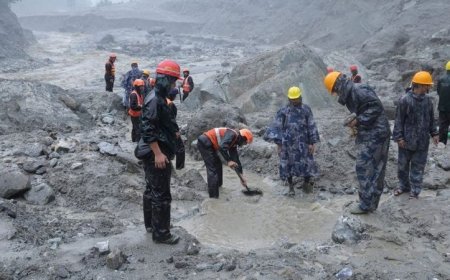
According to Nepali media reports, the flash flood originated on the Tibetan side of the border before entering Nepal, where it caused widespread destruction and swept away several villages. The floodwaters rushed through the Bhote Koshi River at around 9 am (local time), affecting the border districts of Rasuwa and Dhading, along with Nuwakot, southwest of Kathmandu, officials said.
Following the Rasuwa floods, at least 384 travellers were reported missing, including 291 foreigners and 93 Nepalese nationals. The missing people include 105 Indian tourists and 37 non-resident Indians (NRIs), while the remaining travellers are from the United States, Malaysia, the UK, South Africa, Australia and the Netherlands.
As rescue teams continue to carry out search operations, here are the top updates:
1. According to a Bloomberg report, at least 469 people were confirmed dead, Nepal Police said. However, officials expect the death toll to rise significantly over the next few days after fast-moving waters swept through villages and destroyed bridges, roads, and entire settlements in the Nepal-China border region. More than 1,500 people were reported missing.
2. In a post on X, Kathmandu’s Disaster Risk Reduction and Management Authority said there was a possible risk of further flooding on both sides of the border, which could make rescue operations even more difficult in the remote mountainous region. It warned that the lake could breach its banks: “Residents of downstream areas and all concerned are requested to adopt necessary vigilance and remain on high alert. It is estimated that there may be additional lakes in that area.”
3. Both Chinese and Nepalese authorities have warned of further flooding after a lake formed upstream following Wednesday’s disaster and was already overflowing. They also urged people in potentially affected areas to evacuate and move to safer ground. On Thursday, China’s Ministry of Water Resources said the lake held around two million cubic metres (70 million cubic feet) of water and was expected to receive another three million cubic metres (106 million cubic feet) over the next three days.
4. On Friday (local time), China paused its rescue operation, citing the high risk of renewed flooding, state media reported. Citing officials, it added, “All rescue teams have been ordered to stand by in place and wait for further instructions.”
5. The Nepal Army on Friday (local time) said its helicopter rescue teams were working to rescue around 100 people who were trapped inside a flooded hydropower tunnel. Nepal Army spokesman Raja Ram Basnet told AFP, “Our focus is on the search and rescue of people... some people are trapped in the tunnel of Trishuli 3A hydropower project.” He added, “Two helicopters have been dispatched, but it is challenging because it is tough to even locate the entry points of the tunnel. Relief efforts are also underway to provide the rescued people with what they need.”
6. Citing China’s water resources ministry, Reuters reported that rainfall forecast for the weekend would aggravate the threat. Zhu Jinfeng, a researcher at the water resources ministry’s hydrology department, told state broadcaster CCTV, “The volume of water is continuing to increase, and so is the risk.”
7. Nepalese billionaire Binod Chaudhary, chairman of Chaudhary Group, told Bloomberg TV that efforts to rebuild the country’s infrastructure following the devastating flash floods could cost at least $5 billion. He said, “I wouldn’t be surprised if the eventual costs climb to that level," and added, “It is not only the money, but the amount of time it takes and the difficult geography.”