











































































Nepal flood death toll crosses 1,000; nearly 4,000 still out of contact
THE death toll from the devastating floods that swept across Nepal last week has crossed the 1,000 mark, while nearly 4,000 people remain out of contact, according to the latest figures released by Nepal’s National Disaster Risk Reduction and Management Authority (NDRRMA).
The authority said 1,003 bodies had been recovered as of Tuesday, with 3,916 people still unaccounted for, including 583 foreign nationals. The toll is expected to rise further as rescue teams reach remote areas cut off by floodwaters, landslides and massive deposits of mud and debris.
The catastrophic disaster began on August 26 after a glacial collapse in the Himalayas unleashed huge quantities of ice, rock, meltwater and debris into mountain valleys. The resulting flash floods swept through settlements along the Bhotekoshi and Trishuli river corridors, causing widespread destruction and cutting off several communities.
Hydropower workers among those missing
A major focus of the rescue operation is the country's hydropower sector. As many as 639 workers at hydropower projects along the Bhotekoshi and Trishuli corridors remain out of contact.
Several hydropower stations were inundated or badly damaged, with tunnels filled with mud, rocks and debris. Authorities believe hundreds of workers may still be trapped in tunnels, making rescue operations particularly difficult. Foreign experts are assisting Nepalese rescue teams at several project sites.
Nepali Army teams have already rescued 279 people alive from hydropower project areas, including 221 workers from the Upper Trishuli-3A project. Rescue operations are continuing at projects including Chilime, Langtang, Upper Trishuli-1 and Trishuli-3A.
Thousands rescued
Despite the enormous challenges, rescue teams have so far brought 11,884 people to safety, while more than 21,000 security personnel have been mobilised for search, rescue and relief operations.
The deployment includes personnel from the Nepali Army, Nepal Police and Armed Police Force. Helicopters are being used to reach stranded people in isolated mountain communities, while heavy machinery is being deployed to clear roads and remove huge quantities of mud and debris.
Chitwan has recorded the largest number of recovered bodies, with 321, followed by 216 in Nawalparasi East. Many unidentified bodies are being kept at designated centres while authorities work to establish their identities and reunite remains with families.
International assistance
India and China are among the countries assisting Nepal with rescue and relief operations. India and China have also been involved in efforts to restore access to isolated areas, including through the construction and restoration of temporary bridges.
More than $42 million worth of aid has reportedly reached Nepal, with further international assistance expected.
Nepalese Prime Minister Balendra Shah has called for greater international attention to the growing threat posed by climate change and glacier instability in the Himalayan region.
A disaster of unprecedented scale
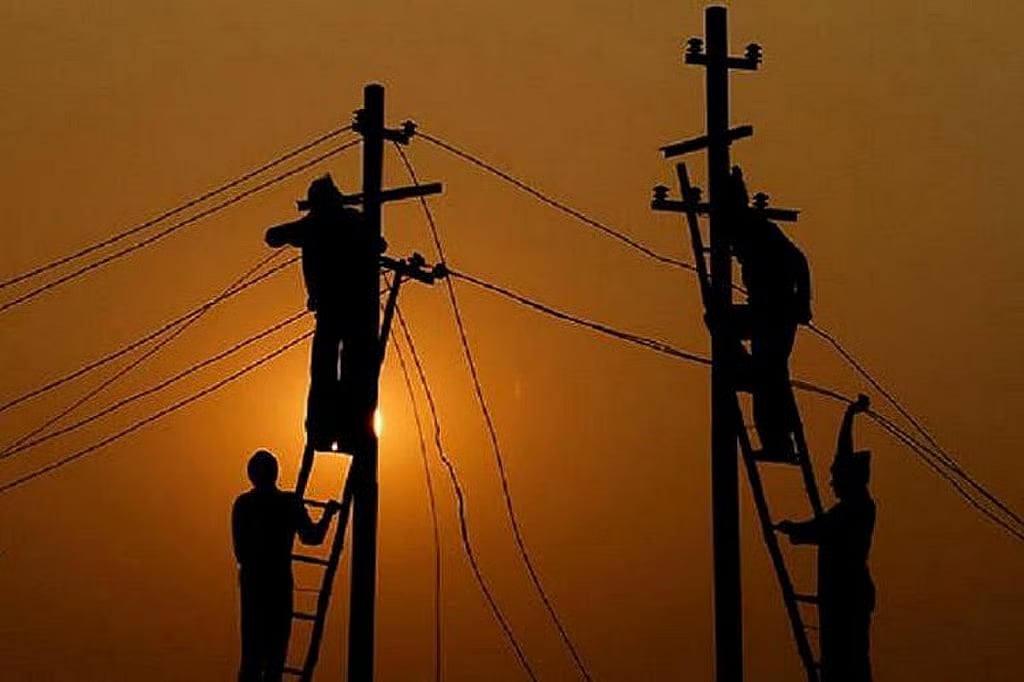
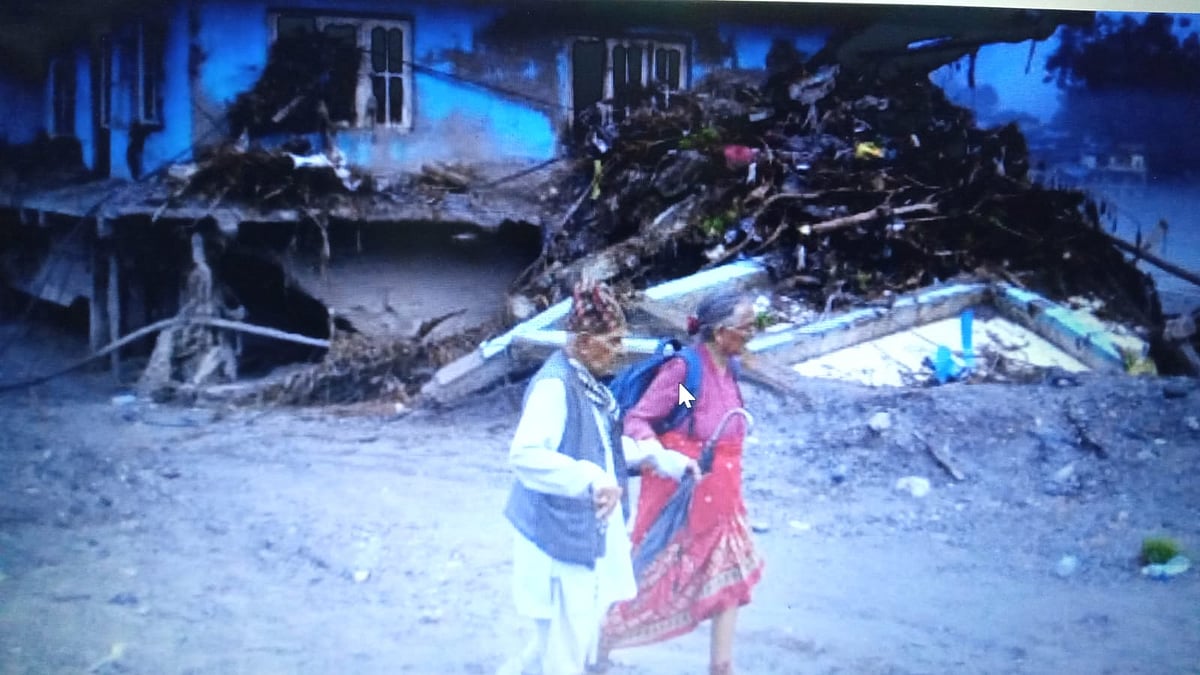
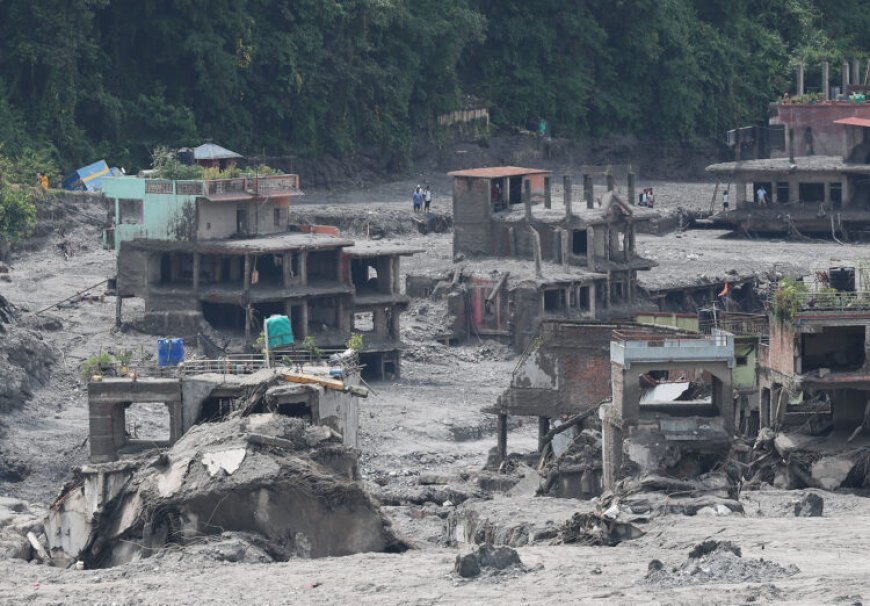
The floods have caused extensive damage to roads, bridges, communication networks, power infrastructure and homes. Some of the worst-hit areas remain difficult to access, raising fears that the eventual death toll could be considerably higher.
The tragedy has also renewed concerns about the vulnerability of communities and major infrastructure projects located along Nepal's rapidly flowing Himalayan rivers.
As rescue teams continue to search through mud and debris, families across Nepal and abroad are anxiously waiting for news of relatives whose whereabouts remain unknown.
The coming days will be critical, as rescuers race against time to reach people who may still be alive in isolated communities and hydropower tunnels, while authorities simultaneously undertake the enormous task of recovering and identifying victims.