
























































































Keralam to bring bill to regulate private hospital treatment costs

Legislation to be introduced in next Assembly session; proposed measures include transparent billing, medicine pricing and review of diagnostic charges
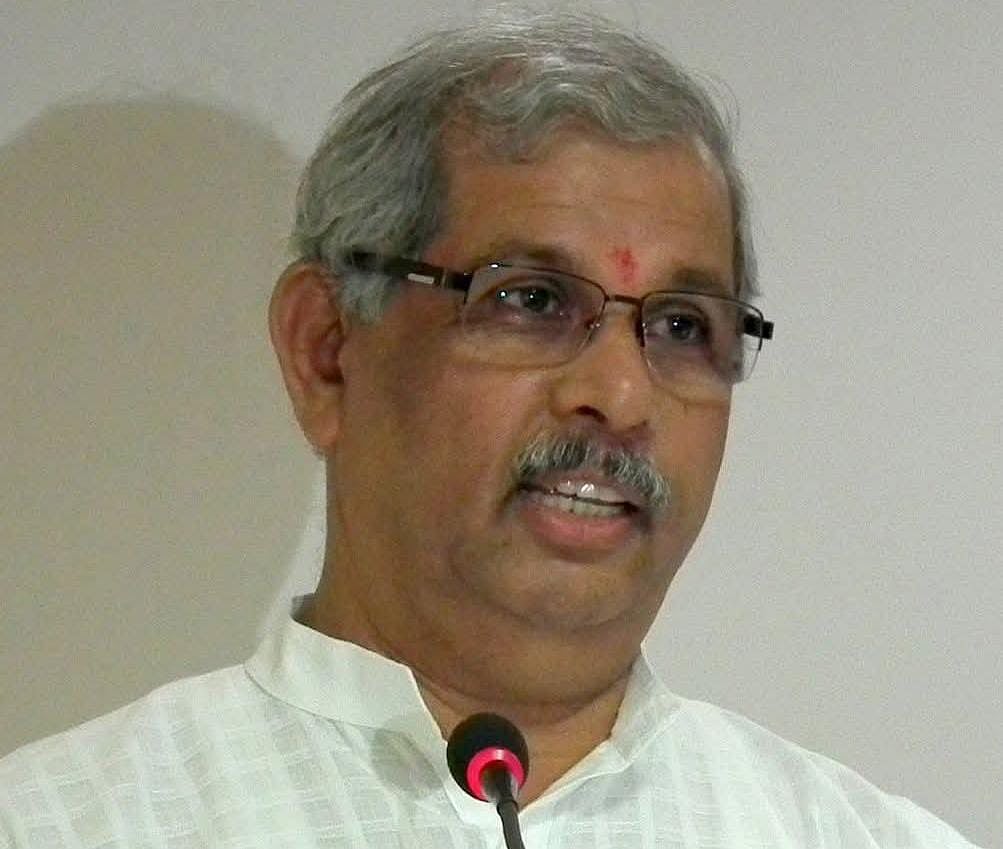
THE Keralam government will introduce a Bill in the next session of the State Legislative Assembly to regulate treatment charges in private hospitals, Health and Devaswom Minister K. Muraleedharan informed the Assembly on Monday.
Replying to a question during Question Hour on October 26, the minister said the government had agreed in principle on the need to regulate private hospital charges amid concerns over rising treatment costs, increasing room rents and medicine prices, and the growing financial burden on patients.
He clarified that the Bill would not be introduced during the current session but would be taken up in the next session.
The proposed legislation follows the government's earlier decision to constitute a four-member committee to examine treatment costs and prepare recommendations for a regulatory framework.
The committee is headed by the Principal Secretary of the Health Department, with the Director of Health Services, Director of Medical Education and Managing Director of the Kerala Medical Services Corporation Limited (KMSCL) as members.
Rising treatment costs under scrutiny
The government is examining the charges levied by private hospitals for medicines, laboratory investigations, CT and MRI scans, other diagnostic services, room accommodation and medical procedures. The objective is to make healthcare more affordable while improving transparency, patient safety and the quality of treatment.
Muraleedharan had earlier expressed concern that some hospitals were charging patients excessive amounts, forcing families to approach the government for financial assistance after receiving unaffordable medical bills.
The proposed Bill is expected to address concerns over the commercialisation of healthcare and the financial difficulties faced by ordinary families, particularly those requiring prolonged treatment, surgery or specialised medical care.
Advance estimates and itemised bills
One of the key proposals under consideration is to ensure that patients are informed of the expected cost of treatment before it begins, wherever practicable. Hospitals would also be expected to provide itemised bills clearly showing the charges for individual services, medicines, tests and procedures.
Such measures could help patients understand the components of their medical expenses, compare treatment costs where circumstances permit and question unexplained or unexpected charges.
The government also intends to examine greater transparency in the prices at which hospitals purchase medicines and the amounts charged to patients. A proposal to make medicines supplied by private hospitals available at prices below the maximum retail price (MRP) is among the measures announced earlier for consideration.
Diagnostic charges and room rents
The committee will examine the costs of laboratory tests, imaging services and other diagnostic investigations, along with room rent and charges for medical procedures and interventions.
The review is significant because hospital bills often include several separate components beyond doctors' fees, including diagnostic investigations, medicines, consumables, nursing services and accommodation. The government is considering how greater oversight of these charges could reduce the overall cost of treatment.
The committee is also examining whether private hospitals could procure medicines through KMSCL and whether this arrangement would help lower procurement costs and, consequently, the prices paid by patients.
Insurance coverage and access to private healthcare
The government is considering expanding state-sponsored health insurance schemes to more private hospitals. Wider participation could give eligible beneficiaries access to specialised treatment without having to meet the entire expense from their own resources.
The issue has assumed importance as rising hospital bills and disputes over insurance claims can leave families facing substantial out-of-pocket expenditure, even when they have health insurance.
The minister has also referred to concerns about insurance companies becoming reluctant to provide coverage amid escalating medical expenses. The extent of this problem and its implications for policyholders will require careful assessment as the government develops its proposals.
Balancing affordability and hospital viability
The government has acknowledged the important role played by private hospitals in Keralam, particularly in providing specialised and advanced medical services. The proposed regulatory framework is therefore expected to consider the operating costs and practical difficulties faced by healthcare providers while seeking to protect patients from excessive charges.
Consultations with private hospitals and other stakeholders are part of the process announced earlier. The committee's recommendations are expected to help the government determine the scope and provisions of the proposed legislation.
The precise regulatory mechanisms, any limits on particular charges, and the enforcement provisions will depend on the draft Bill and the legislative process. No final statutory rate ceilings have yet been announced in the reports available.
A move towards greater accountability
If implemented effectively, the proposed law could strengthen patients' rights to understand treatment costs and receive transparent bills. It could also establish a clearer framework for examining complaints about charges and encourage greater accountability in private healthcare.
However, the impact will depend on the final provisions, the monitoring mechanism and the government's ability to enforce the rules consistently. Ensuring affordability without compromising the availability and quality of medical services will be a central challenge.
The government is expected to take the next step by bringing the Bill before the Assembly in its forthcoming session.