






























































Oil prices jump as Iran attacks vessels in Hormuz strait, US revokes license allowing Iran to sell oil
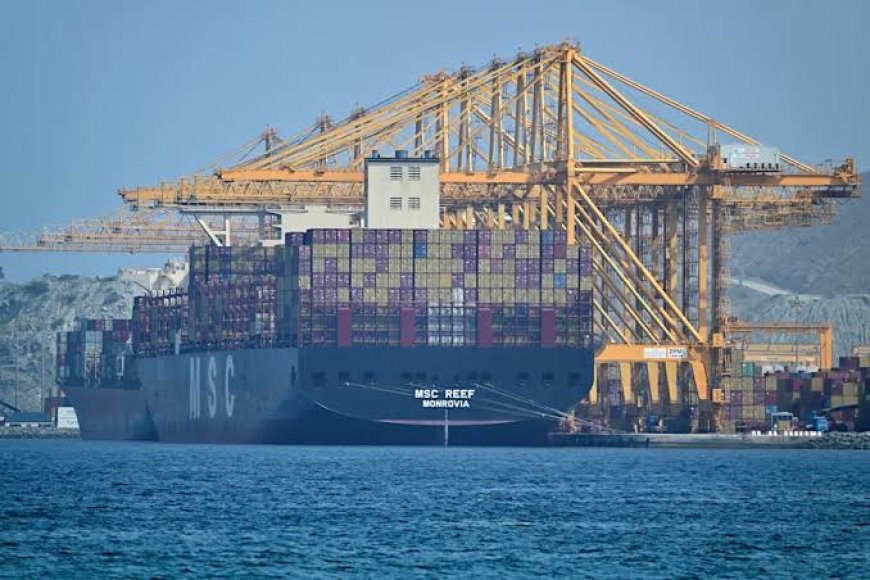
OIL prices jumped during Tuesday's trading session after attacks by Iran against ships moving in and around the Strait of Hormuz once again derailed confidence in safe passage through the critical waterway.
Answering the violence, the US Treasury Department on Tuesday revoked the license issued by the Office of Foreign Asset Control that allowed Iran to sell its previously sanctioned crude oil on the global market, destabilizing a key tenet of the US-Iran memorandum of understanding signed only weeks ago.
Futures on Brent crude (BZ=F), the international benchmark, rose by roughly 5% to trade above $75.50 per barrel. Those on US benchmark WTI crude (CL=F) ticked up by a similar 5% to reach $72.
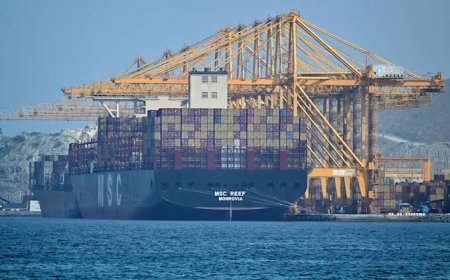
Three separate ships were struck by projectiles from Iran in the last 24 hours, according to alerts from the UK maritime network and statements from governments, including a Qatari LNG carrier and a Saudi oil tanker.
The three vessels were all travelling in or near the Strait of Hormuz when they were struck, according to ship-tracking data. Even as the US has insisted Iran must allow safe freedom of navigation through the Strait of Hormuz, the Iranian government has maintained that it must control transit through the waterway.
The attacks sent multiple vessels that had been using a southern passage along the Omani coast rerouting toward Iran, per data from the vessel-tracking platform Windward, potentially looking to avoid drawing the ire of Iranian drones.
"Iran probably can't enforce a tolling system in the strait — its effective leverage doesn't extend that far," Gregory Brew, Iran and oil-focused senior analyst at Eurasia Group, said Tuesday. "But these sporadic attacks inject enough uncertainty to preserve some of its wartime position."
The violence marks the second time since the signing of the US-Iran memorandum of understanding to end the war that the Iranian military has been documented striking vessels. After the first wave of attacks, the US military renewed airstrikes inside the country before the two sides agreed to a ceasefire.
While Iran has not yet claimed responsibility for the attacks, the development nonetheless threatens the already tenuous stability of the agreement in place between the US and Iran. Negotiations are ongoing despite the violence, US officials told Reuters.
The White House has repeatedly said any agreement — and any concessions, such as a removal of sanctions on Iranian crude — is conditioned on Iran's obeisance of commitments under the memorandum of understanding, one of which is full and free transit through the strait.
The attacks, one of which struck a Qatari vessel laden with LNG, also threatened Qatar's role as a key mediator in this round of talks. Qatar's Ministry of Foreign Affairs on Tuesday summoned Iran's deputy ambassador to the country and denounced the attack as a "grave violation of the safety of international navigation, a direct threat to global energy supply security, and a clear and flagrant breach of international law."