



















































































UK on emergency? PM urges citizens to store 3 days of food, water and cash at home
The UK government has launched the ‘Be Ready campaign and urged people to store essential items such as food, water, cash and more at home for up to three days. Here’s why it is important amid wildfires, storm, cybersecurity threats and more in the nation.

THE UK government has launched the "Be Ready" campaign. Recently, it has advised people to stock up on essential items such as food, water, cash and more at home for up to three days. This comes amid severe weather, cyberattacks and threats from hostile states, which are expected to disrupt essential services.
Why PM Andy Burnham urged people to stock food, water, cash
It is a part of the government's "Be Ready" campaign. It reportedly aims to manage emergency situations for the people. Such a crisis is likely to interrupt electricity, communications, transport and access to other essential services.
UK Prime Minister Andy Burnham shared the guidance. He urged people to take precautions instead of panic buying. “Unexpected events seem to be becoming more and more common,” Burnham said, quoted by the BBC.
What did the govt say?
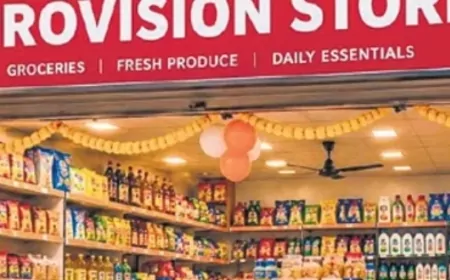
The government recommended that households keep three days' supplies of bottled water and tinned food to deal with extreme situations such as a war, an online attack or a natural disaster.
Burnham, "It's not about panicking... It's about just taking sensible measures to have enough in the house to tide you over should there be a difficult situation."
The campaign arrived after recent storms that reportedly left homes without electricity. Recently, a major cybersecurity incident also took place linked to vulnerabilities in PHP, a programming language used by millions of websites worldwide.
What to keep
It is recommended for households to maintain enough emergency supplies to last at least 72 hours. This includes nine litres of drinking water per person for three days, along with additional water for cooking and washing needs.
Other essential supplies should include tinned meat and vegetables, dry food supplies, dried fruit and other non-perishable food items alongside a torch with spare batteries and a battery-powered or wind-up FM radio for emergency updates; blankets, sleeping bags, warm clothing, a first-aid kit and essential medicines.
Households should also keep hand sanitiser, wet wipes, toiletries, a charged power bank, cash, payment cards, copies of important documents and a written list of emergency contacts. Families with babies should stock essential supplies, while pet owners should keep food and water for their animals.
Cybersecurity threats
Cybersecurity is reported to be among the concerns behind the government’s campaign, especially after vulnerabilities in PHP prompted organisations to review their systems, disrupted some services and triggered widespread hacking attempts, as per a report by Money Control.
The UK’s National Cyber Security Centre sent 50,000 alerts to organisations affected by the issue. Defence Secretary Wes Streeting warned that cyber incidents could become more frequent amid the artificial intelligence (AI) boom. He also warned against threats from hostile states, organised criminals and climate change.
Last month, the National Audit Office warned that cyberattacks and the climate crisis posed growing threats to the country's food supply chain. The chief executive of the Cold Chain Federation, which represents companies transporting temperature-controlled food, told the BBC that Russian cyber-hackers were targeting the UK and knew where the food supply system was vulnerable.
Storms, wildfire, drought and more
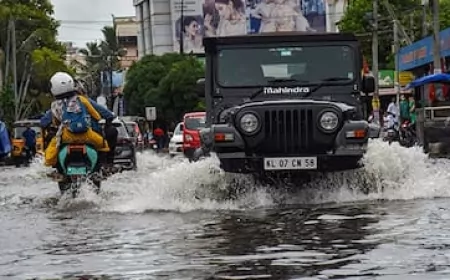
Severe weather has further affected the nation. Storm Goretti, which struck earlier this year in January, left tens of thousands of homes without electricity across parts of the Midlands, south-west England and Wales, with winds reaching nearly 100 mph, according to The Guardian. The UK has also experienced heat, drought and wildfires during the summer.
Not just the UK, the European Commission also issued similar guidance last year, encouraging people across the region to maintain a 72-hour emergency kit containing essentials such as food, water, cash and power banks.