


































































Brazil elections 2026 results: Explained — How Lula made surprise comeback
Elected as the Brazil president for the record fourth time, Luiz Inácio Lula da Silva has cemented his place as one of the world’s longest-serving democratically elected leaders.

LEFT-wing leader Luiz Inácio Lula da Silva secured an unprecedented victory in the recently concluded Brazil presidential election on Sunday.
Elected president for the record fourth time, Lula has cemented his place as one of the world’s longest-serving democratically elected leaders. Lula previously served two terms as president from January 2003 to December 2010, and again from January 2023.
He came from behind to win Brazil’s runoff election, defying predictions that the 80-year-old had finally reached the end of his extraordinary career.
How did Lula make a surprise comeback?
Lula Da Silva became the first presidential candidate in Brazil’s modern democratic history to lose the first round of voting but win the runoff.
Lula won 51.8 per cent of the vote against 48.2 per cent for far-right Senator Flávio Bolsonaro with over 99 per cent of the votes counted in the runoff, electoral authorities were quoted by the Wall Street Journal as saying.
This was the second round of the election that concluded on Sunday. In the first round, Flávio received the most votes, 47 per cent, two percentage points more than Lula, equivalent to a difference of 2.2 million votes.
On Sunday, in the second round, Lula reversed that result, outpacing his opponent by over four million votes.
Sunday's result followed a messy election day marked by allegations of voter suppression and a last-minute extension of voting hours, the report added.
It was a stunning comeback, sealed late as voters in Lula’s northeastern stronghold rallied behind one of Latin America’s most prominent opponents of Trumpism.
Lula will now begin his fourth term as Brazil's president, his second consecutive one, on January 5 at the age of 81.
5 factors that worked in Lula's favour?
1. ‘Keep Bolsonaros out’
With a historic win, Lula bucked a trend seen in Latin America, where voters made a rightward shift in recent elections, choosing right-wing allies of US President Donald Trump.
For many Brazilians, the election was more than about keeping da Silva in power, the Wall Street Journal reported. They reportedly saw a vote for him as a vote to keep the Bolsonaros out and preserve the country’s hard-won democracy.
“We must do what we can to protect Brazil’s democracy,” Karina da Silva Pereira, a 50-year-old lawyer in São Paulo, was quoted as saying.
Following Jair Bolsonaro’s attempt to seize power by force four years ago, she said she felt compelled to vote to keep the family out of power. “It was a risk we couldn’t take.”
2. Persuasion
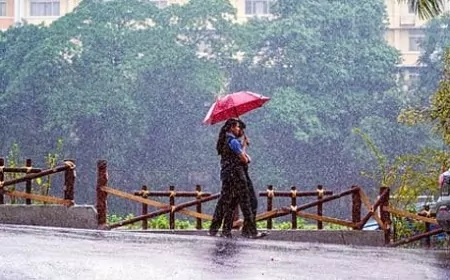
Lula Da Silva’s surprise victory Sunday came after he persuaded millions of Brazilians who had skipped the first round of voting to cast ballots for him in the second round, despite heavy rains that pounded much of the country.
His Workers’ Party requested that voting be extended Sunday, after reports that some local governments had reduced the number of buses serving poorer voters, who tend to support the president.
Lula's campaign intensified efforts to mobilise voters who had stayed home in the first round while portraying Bolsonaro’s proposed spending cuts as a threat to public services and social benefits.
3. Focus away from Trump
After his first-round setback, Lula da Silva shifted his campaign away from warnings about US interference in Brazil’s election and toward the economic frustrations of ordinary voters.
According to WSJ, he promised to increase payments under the Bolsa Família welfare program, championed a shorter working week without a cut in pay and proposed sweeping debt relief for struggling households.
He also floated free public transportation on weekends, seeking to reconnect with poorer voters who had long formed the backbone of his support.
4. Tough message on crime
Da Silva also toughened his message on crime, breaking with his party’s traditional position to support prosecuting 16-year-olds as adults for particularly serious crimes.
5. Social media push
Lula's campaign sprang back to life following his first-round defeat driven by street demonstrations and a massive social media push, the BBC reported.
What Lula's win means for Trump
Da Silva’s victory sets the stage for renewed tensions with Washington, WSJ reported.
Following a string of victories by conservative candidates from Argentina and Chile to Colombia and Peru in recent years, Brazil’s decision to stick with the left denies President Trump a powerful ally in Latin America, one that is a major source of critical minerals needed for everything from electric vehicles to weapons systems.
Trump has praised Bolsonaro and clashed repeatedly with da Silva over trade, Brazil’s prosecution of the former president and what the Brazilian leader has called US interference in the election.
The dispute escalated into tariffs and a diplomatic row over visas, although the two governments have continued negotiating a trade agreement.