






















































.jpg?#)


PM Modi, Donald Trump hold 40-min phone conversation; discuss Strait of Hormuz blockade
PM Narendra Modi, US President Donald Trump hold 40-min phone conversation; discuss Strait of Hormuz blockade.

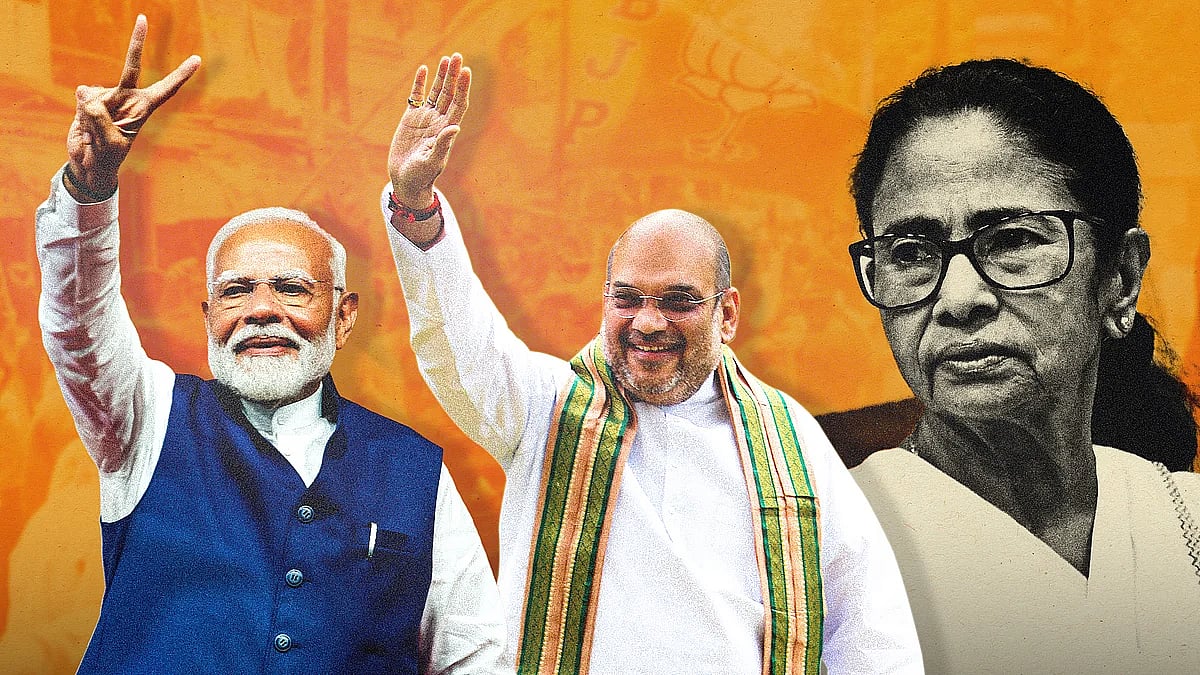
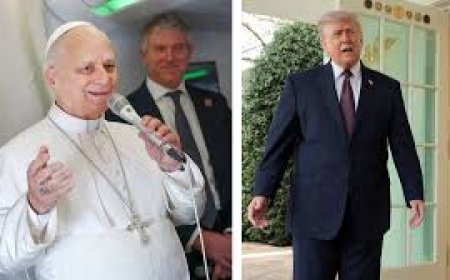
PRIME Minister Narendra Modi and US President Donald Trump on Tuesday held a 40-minute phone conversation and discussed the US blockade in the Strait of Hormuz, US Ambassador to India Sergio Gor said.
“I just want you to know we all love you,” the US President told PM Modi, according to Gor, who was quoted by PTI. Some big-ticket deals, including on energy, are expected between India and the US in the next few days and weeks, the ambassador said.
PM Modi confirms call from Trump
PM Modi confirmed details of his conversation with Trump in a post on X. He said, “Received a call from my friend President Donald Trump.”
“We reviewed the substantial progress achieved in our bilateral cooperation in various sectors. We are committed to further strengthening our Comprehensive Global Strategic Partnership in all areas,” PM Modi wrote on X.
He added, “We also discussed the situation in West Asia and stressed the importance of keeping the Strait of Hormuz open and secure.”
This is the third phone conversation between PM Modi and Trump this year. Earlier, they spoke on 2 February to announce progress in a trade deal and on 24 March to discuss the situation in West Asia.
US blockade of Strait of Hormuz
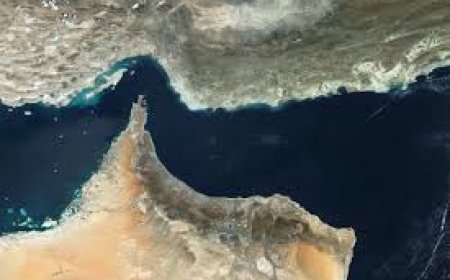
The telephone conversation between the two leaders came days after the US President announced a blockade of the Strait of Hormuz. Trump imposed restrictions on the key economic route following peace talks between Iran and the US side in Islamabad last week that failed to reach a peace deal.
After the meeting, Trump said in a post on TRUTH SOCIAL, “…the meeting went well, most points were agreed to, but the only point that really mattered, NUCLEAR, was not.” He said, “IRAN IS UNWILLING TO GIVE UP ITS NUCLEAR AMBITIONS!”
In that post, Trump also announced a blockade of the Strait of Hormuz. He said, “Effective immediately, the United States Navy, the Finest in the World, will begin the process of BLOCKADING any and all Ships trying to enter, or leave, the Strait of Hormuz.”
The US President later declared the exact time when the blockade would come into force. “The United States to Blockade Ships Entering or Exiting Iranian Ports on April 13 at 10:00 A.M. ET. Thank you for your attention to this matter! President DJT,” he said in another post.
Iran threatened to retaliate against Persian Gulf ports if attacked. “If you fight, we will fight," Iran's parliamentary speaker, Mohammad Bagher Qalibaf, said in a statement addressed to Trump.
Since the start of the war, Iran has curtailed maritime traffic, with most commercial vessels avoiding the waterway.
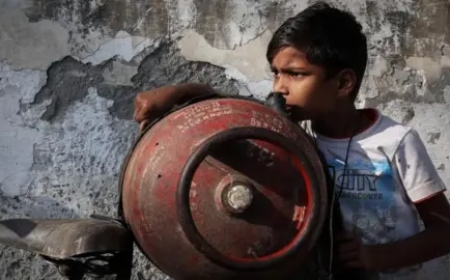
Iran’s effective closure of the strait, through which a fifth of global oil transits in peacetime, has sent oil prices skyrocketing, pushing up the cost of gasoline, food and other basic goods far beyond the Middle East.
Middle East conflict raises global financial stability risk, warns IMF
The war in the Middle East is elevating global financial stability risks through inflationary pressures that could cause funding markets to tighten, potentially straining non-banks, private credit and artificial intelligence borrowers, the International Monetary Fund (IMF) warned on Tuesday.
In its semiannual Global Financial Stability Report, the IMF warned that since February, global equity prices have declined 8% while sovereign bond yields have risen sharply, driven by a jump in energy prices and market expectations of higher inflation. The war, which led Iran to shut the Strait of Hormuz, has sent oil prices spiking.