


























































‘Non-Muslim members absent’: HC restrains Waqf Board from major decisions
Follow TNM's WhatsApp channel for news updates and story links.The Kerala High Court on Wednesday, July 15, issued an interim freeze to the Kerala State Waqf Board, directing it not to exercise any major functions, incur capital expenditure, or take policy decisions without the court’s express permission. The court made the intervention after determining that the Board’s current composition prima facie violates the newly enacted Unified Waqf Management, Empowerment, Efficiency, and Development Act, 2025. The interim order came while hearing four public interest litigations (PILs) challenging the constitution of the Board following the enactment of the amended law. The UMEED Act mandates that every State Waqf Board include two non-Muslim members and one Shia member. However, the current Kerala Waqf Board has nine members, none of whom belong to the non-Muslim or Shia communities.One of the PILs, filed by Bharatiya Janata Party (BJP) leader Shone George, sought a direction to the state government to nominate two non-Muslim members to the board in accordance with the Act. Another petition challenged the appointment of KS Hamsa, a leader of the Communist Party of India (Marxist) [CPI(M)], as the chairperson of the Board.A division bench of Chief Justice Soumen Sen and Justice VM Syam Kumar observed that the provisions of the UMEED Act must be followed unless stayed or struck down by another court. “In view of the fact that admittedly, two non-Muslim members have not been included in the Waqf Board and also, as urged by some of the writ petitioners that one Shia member should also be included, we hold that the constitution of the Board prima facie appears to be not in conformity with Section 14 of the said Act,” the court said in its interim order, according to LiveLaw. The court also directed the state government to ensure that the government representative serving as an ex officio member of the Board is appointed in accordance with the Act. Until further orders, it said the Board would function under the supervision of the Joint Secretary of the state government department dealing with Waqf matters.The Kerala State Waqf Board is a statutory body established by the Government of Kerala under the Wakf Act, 1995. Its primary purpose is to manage, supervise, and ensure the proper administration of all registered Islamic religious and charitable endowments (Waqf properties) in the state, including mosques, madrassas, orphanages, and graveyards across the state.
Follow TNM's WhatsApp channel for news updates and story links.
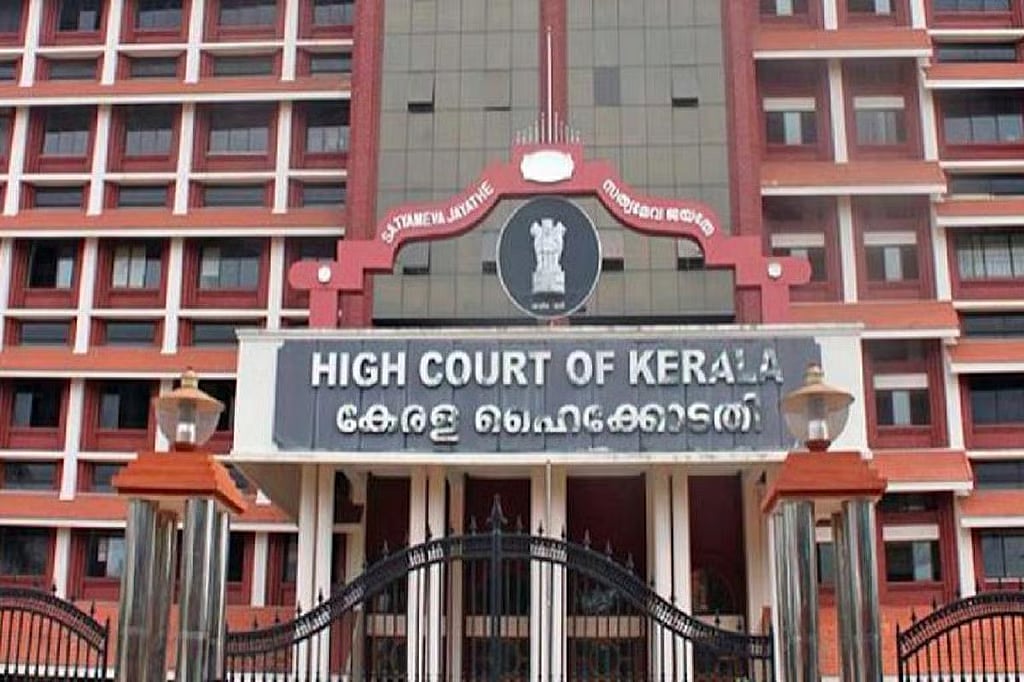
THE Kerala High Court has issued an interim freeze to the Kerala State Waqf Board, directing it not to exercise any major functions, incur capital expenditure, or take policy decisions without the court’s express permission.
The court made the intervention after determining that the Board’s current composition prima facie violates the newly enacted Unified Waqf Management, Empowerment, Efficiency, and Development Act, 2025.
The interim order came while hearing four public interest litigations (PILs) challenging the constitution of the Board following the enactment of the amended law.
The UMEED Act mandates that every State Waqf Board include two non-Muslim members and one Shia member. However, the current Kerala Waqf Board has nine members, none of whom belong to the non-Muslim or Shia communities.
One of the PILs, filed by Bharatiya Janata Party (BJP) leader Shone George, sought a direction to the state government to nominate two non-Muslim members to the board in accordance with the Act. Another petition challenged the appointment of KS Hamsa, a leader of the Communist Party of India (Marxist) [CPI(M)], as the chairperson of the Board.
A division bench of Chief Justice Soumen Sen and Justice VM Syam Kumar observed that the provisions of the UMEED Act must be followed unless stayed or struck down by another court.
“In view of the fact that admittedly, two non-Muslim members have not been included in the Waqf Board and also, as urged by some of the writ petitioners that one Shia member should also be included, we hold that the constitution of the Board prima facie appears to be not in conformity with Section 14 of the said Act,” the court said in its interim order, according to LiveLaw.
The court also directed the state government to ensure that the government representative serving as an ex officio member of the Board is appointed in accordance with the Act. Until further orders, it said the Board would function under the supervision of the Joint Secretary of the state government department dealing with Waqf matters.
The Kerala State Waqf Board is a statutory body established by the Government of Kerala under the Wakf Act, 1995.
Its primary purpose is to manage, supervise, and ensure the proper administration of all registered Islamic religious and charitable endowments (Waqf properties) in the state, including mosques, madrassas, orphanages, and graveyards across the state.