



































































Oil sardine population to take a hit as El Nino strengthens, say marine experts
Just as Kerala's oil sardine population has been recovering from the sharp decline witnessed over the past decade, scientists have warned that another setback could be on the horizon. The Central Marine Fisheries Research Institute (CMFRI) has cautioned that the strengthening of El Nino could reduce oil sardine recruitment in 2027, potentially reversing the gains made in recent years and affecting overall marine fish production.CMFRI director Grinson George said oil sardine, one of the most climate-sensitive marine fish species, is expected to bear the brunt of the warming of sea surface waters associated with El Nino. The institute has advised fishermen to prepare for the likely impact on catches next year.“Oil sardine stock is abundant this year, but the resource is likely to be affected in 2027 if the projected warming occurs. Small pelagic fishes, especially oil sardine, are the most vulnerable species to heatwaves and ocean warming”, Dr Grinson said, adding that it would lead to a reduction in overall marine fish production.El Nino, which is marked by unusually warm sea surface temperatures in the central and eastern equatorial Pacific Ocean, affects the Indian Ocean through changes in atmospheric circulation, wind patterns and ocean currents. Heat is transferred from the Pacific to the Indian Ocean through the Walker circulation mechanism.Grinson George made the remarks while opening the National Fish Farmers Day celebrations at CMFRI on July 10, 2026, Friday. “Sustained warming could adversely affect coral reefs, resulting in coral bleaching and reducing the natural abundance of reef-associated species such as red snapper”, Dr Grinson added.He said there is usually a four-to-six-month lag before the warming reaches the Indian Ocean. With El Nino forecast to peak during November and December this year, its impact on marine fisheries is expected to become evident during April and May 2027.Although oil sardine stocks are plentiful this year, CMFRI said the projected warming linked to El Nino could weaken the population in 2027. Grinson George noted that small pelagic fish, particularly oil sardine, are among the marine species most vulnerable to ocean warming and marine heatwaves, making them especially susceptible to changes in sea conditions. He added that the phenomenon could also lead to a decline in India's overall marine fish production.Based on existing projections, the institute expects a higher likelihood of marine heatwaves, elevated sea surface temperatures and increased salinity during April and May 2027. Prolonged warming could trigger coral bleaching, affecting reef ecosystems and reducing the abundance of species such as red snapper. The director also warned that heavy rainfall after extended hot and saline conditions could cause abrupt changes in coastal salinity, disrupting aquaculture operations. He said CMFRI would begin issuing El Nino advisories to fishermen and fish farmers this year and stressed the need for continuous monitoring of ocean conditions and adaptive management to reduce the impact on marine resources and coastal livelihoods.
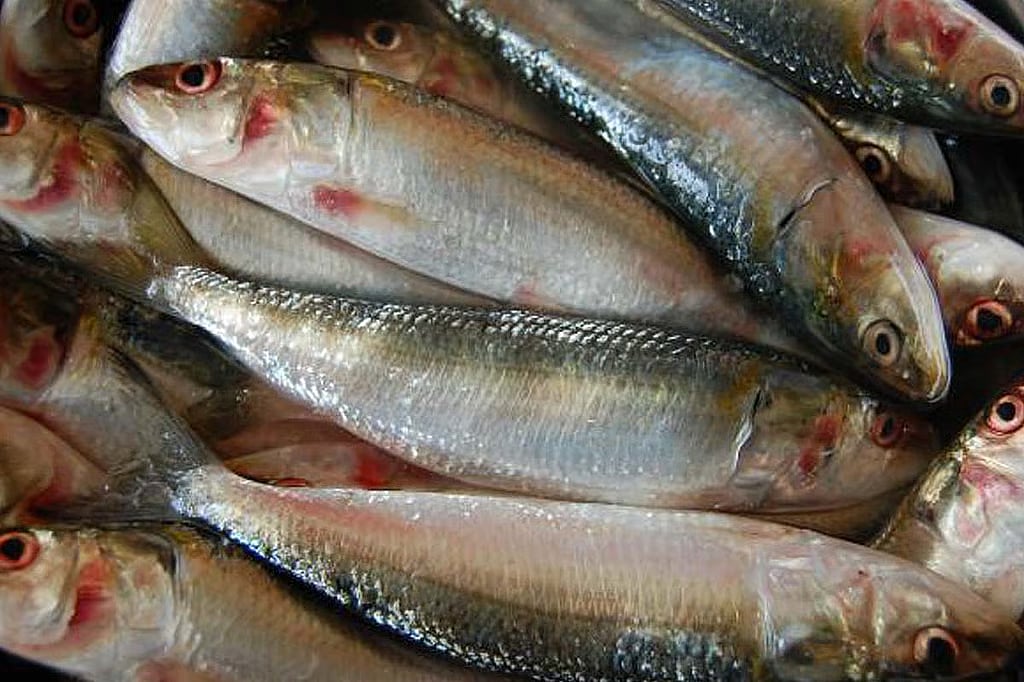
JUST as Kerala's oil sardine population has been recovering from the sharp decline witnessed over the past decade, scientists have warned that another setback could be on the horizon.
The Central Marine Fisheries Research Institute (CMFRI) has cautioned that the strengthening of El Nino could reduce oil sardine recruitment in 2027, potentially reversing the gains made in recent years and affecting overall marine fish production.
CMFRI director Grinson George said oil sardine, one of the most climate-sensitive marine fish species, is expected to bear the brunt of the warming of sea surface waters associated with El Nino. The institute has advised fishermen to prepare for the likely impact on catches next year.
“Oil sardine stock is abundant this year, but the resource is likely to be affected in 2027 if the projected warming occurs. Small pelagic fishes, especially oil sardine, are the most vulnerable species to heatwaves and ocean warming”, Dr Grinson said, adding that it would lead to a reduction in overall marine fish production.
El Nino, which is marked by unusually warm sea surface temperatures in the central and eastern equatorial Pacific Ocean, affects the Indian Ocean through changes in atmospheric circulation, wind patterns and ocean currents. Heat is transferred from the Pacific to the Indian Ocean through the Walker circulation mechanism.
Grinson George made the remarks while opening the National Fish Farmers Day celebrations at CMFRI on July 10, 2026, Friday.
“Sustained warming could adversely affect coral reefs, resulting in coral bleaching and reducing the natural abundance of reef-associated species such as red snapper”, Dr Grinson added.
He said there is usually a four-to-six-month lag before the warming reaches the Indian Ocean. With El Nino forecast to peak during November and December this year, its impact on marine fisheries is expected to become evident during April and May 2027.
Although oil sardine stocks are plentiful this year, CMFRI said the projected warming linked to El Nino could weaken the population in 2027. Grinson George noted that small pelagic fish, particularly oil sardine, are among the marine species most vulnerable to ocean warming and marine heatwaves, making them especially susceptible to changes in sea conditions. He added that the phenomenon could also lead to a decline in India's overall marine fish production.
Based on existing projections, the institute expects a higher likelihood of marine heatwaves, elevated sea surface temperatures and increased salinity during April and May 2027. Prolonged warming could trigger coral bleaching, affecting reef ecosystems and reducing the abundance of species such as red snapper.
The director also warned that heavy rainfall after extended hot and saline conditions could cause abrupt changes in coastal salinity, disrupting aquaculture operations. He said CMFRI would begin issuing El Nino advisories to fishermen and fish farmers this year and stressed the need for continuous monitoring of ocean conditions and adaptive management to reduce the impact on marine resources and coastal livelihoods.