










































































Nepal Floods: India sends relief and mobilises Bailey bridges
INDIA has stepped up humanitarian assistance to flood-ravaged Nepal, sending 47.5 tonnes of emergency relief supplies and preparing to mobilise Bailey bridges to help restore vital connectivity in areas cut off by the devastating flash floods.
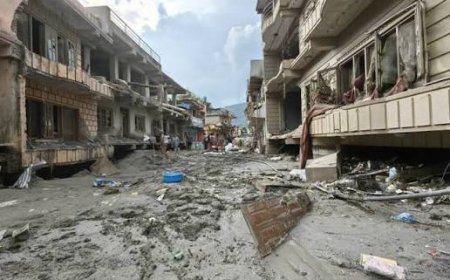
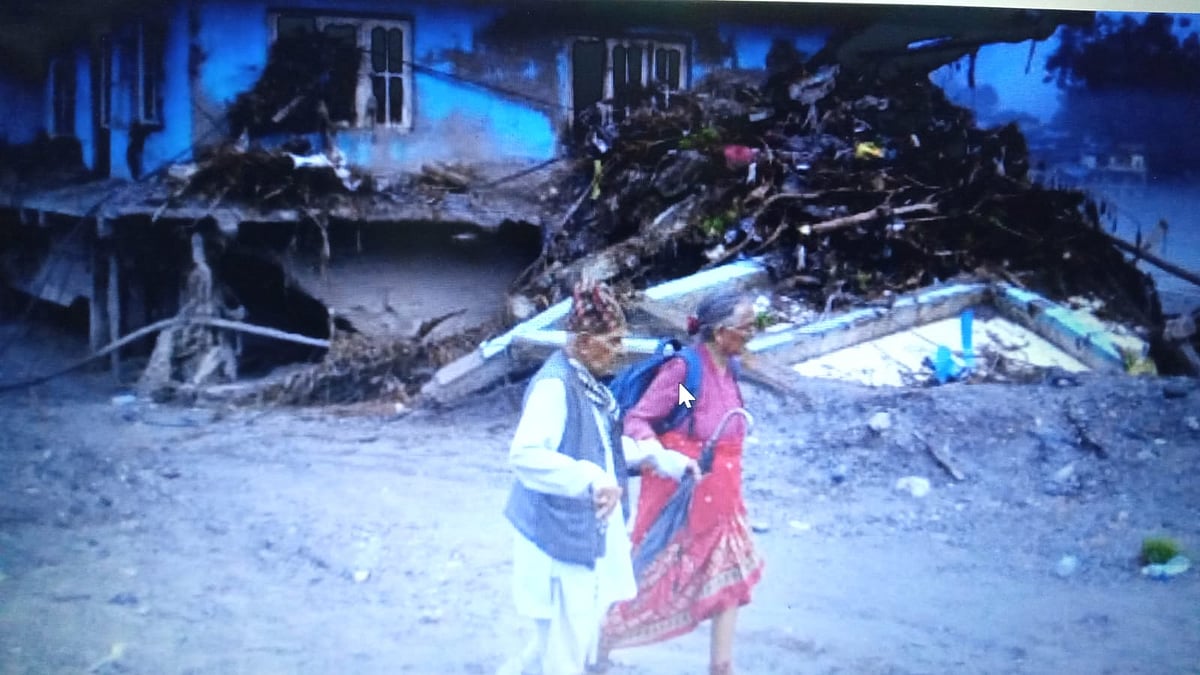
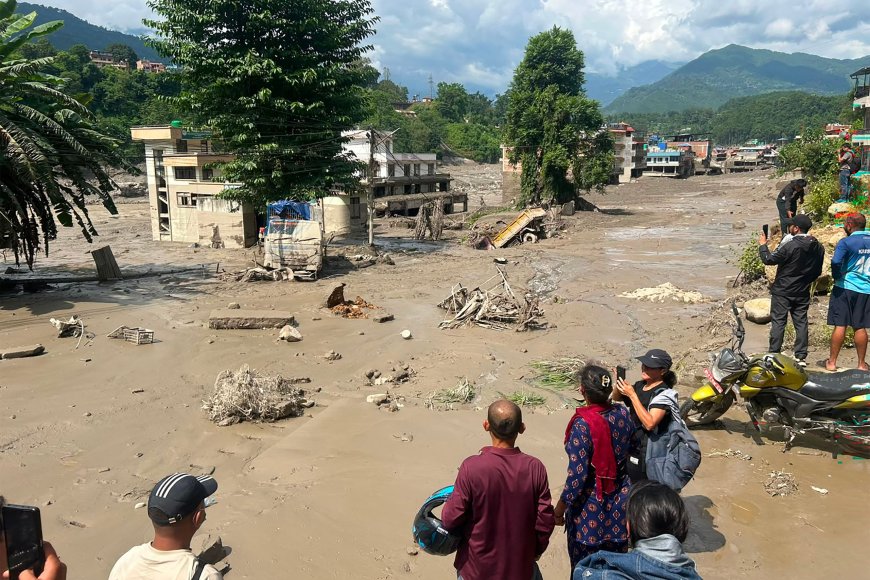
The assistance comes after a catastrophic flash flood swept through Nepal’s northern Rasuwa district and downstream areas on Wednesday, causing widespread destruction of homes, roads, bridges and other critical infrastructure.
The flood was associated with a massive surge through the Bhote Koshi River system after an ice-and-rock landslide in the Tibetan region.
The scale of the disaster has continued to grow as rescue teams recover bodies from downstream districts and search for hundreds of missing people. Nepalese authorities said on Thursday that the death toll had reached 270, while more than 800 people remained unaccounted for.
India rushes emergency supplies
India's Ministry of External Affairs said two Indian Air Force aircraft had delivered 47.5 tonnes of humanitarian assistance to Kathmandu.
A C-130J transport aircraft flew to Nepal on Wednesday night carrying 10 tonnes of relief material, including temporary shelters, blankets, hygiene kits, solar lamps and medicines.
A larger C-17 aircraft followed on Thursday with another 37.5 tonnes of supplies. The consignment included tents, blankets, hygiene kits, solar lamps, dewatering pumps, kitchen sets, generators, medicines and food items.
The supplies are intended to support Nepal's ongoing rescue and relief operations at a time when roads and communications have been severely disrupted.
Bailey bridges to restore connectivity
Recognising that the destruction of bridges is one of the biggest obstacles to relief operations, India has also decided to mobilise Bailey bridges for Nepal.
Bailey bridges are prefabricated, modular steel bridges that can be assembled relatively quickly, making them particularly useful after natural disasters when permanent bridges have been washed away or damaged.
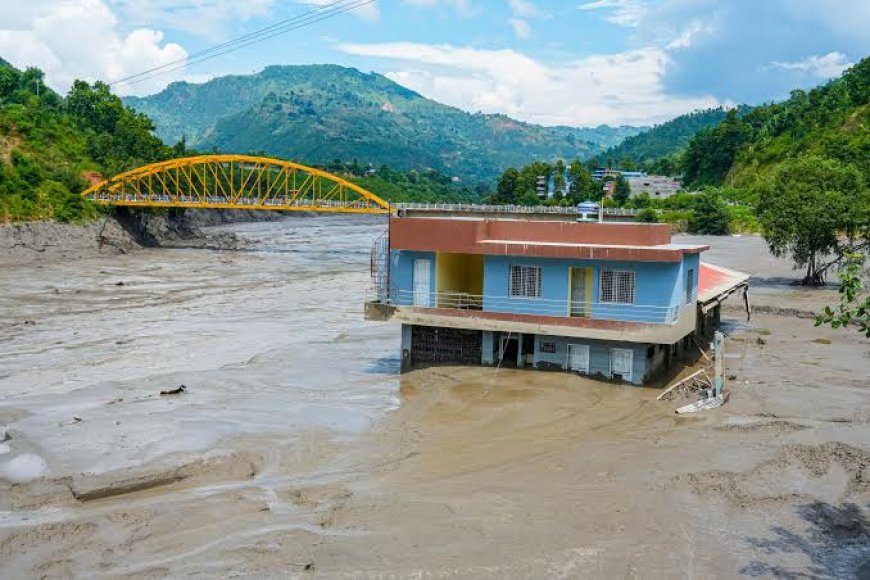
Their deployment could help reconnect isolated communities, allow emergency vehicles to reach affected areas and facilitate the movement of food, medicines, rescue equipment and other essential supplies.
The bridge assistance is especially important because the floods have severely damaged transport infrastructure in the mountainous region, complicating rescue and recovery operations.
Indian nationals among those affected
India is also intensifying efforts to locate Indian nationals who were in the affected areas, including pilgrims travelling for the Kailash Mansarovar Yatra.
The Ministry of External Affairs has established a 24-hour control room, while Indian missions in Kathmandu and Beijing have also opened round-the-clock helplines.
According to the MEA, 21 Indian nationals from Tamil Nadu who had travelled for the Kailash Mansarovar Yatra have been rescued, while contact had not yet been established with 288 Indian nationals who were in Nepal when the disaster struck.
The government is coordinating with state governments and Nepalese authorities to establish the whereabouts of those still unaccounted for.
Modi speaks to Nepal's Prime Minister
Prime Minister Narendra Modi spoke with Nepal Prime Minister Balendra Shah on Wednesday and conveyed India's condolences over the loss of life.
Modi reaffirmed that India was ready to provide all possible humanitarian assistance and said Indian teams were coordinating closely with Nepalese authorities on rescue and relief operations.
India has also placed its agencies on alert along the Nepal border. The Union Home Ministry has been monitoring the situation closely, particularly because floodwaters moving downstream could affect parts of Bihar and Uttar Pradesh. The National Disaster Response Force and local rescue teams in vulnerable border areas have been placed on high alert.
A disaster of extraordinary scale
The flash flood has devastated communities along the Bhote Koshi and Trishuli river systems. Roads, bridges, settlements, hydropower facilities, customs infrastructure and electricity installations have been damaged or destroyed.
The situation has also affected the vital border connection between Nepal and Tibet. Rescue efforts are being hampered by damaged roads, disrupted communications and the difficult Himalayan terrain.
International assistance is meanwhile gathering for Nepal. China, India and several other countries and international organisations have offered emergency support.
The United Nations, WHO and Red Cross-related agencies are also mobilising assistance, while countries including the United States, United Kingdom and South Korea have announced or offered emergency aid.
Search and rescue continues
Nepalese authorities are continuing a massive search for survivors and missing persons. Hundreds of people have already been evacuated by helicopter from affected areas, while security forces and emergency workers are recovering bodies from downstream locations.
Authorities are also warning of continuing risks from landslides, mudslides and further flooding, making rescue operations particularly dangerous.
For India, the immediate priorities are twofold: help Nepal cope with the humanitarian emergency and locate Indian nationals who remain missing.
The rapid airlifting of relief supplies and the planned deployment of Bailey bridges underline India's effort to provide not only emergency material but also practical infrastructure support as Nepal begins the difficult task of reconnecting communities and rebuilding after one of the country's worst recent flood disasters.