























































































SC Asks Government to Consider Law Against Marriage Between Close Relatives
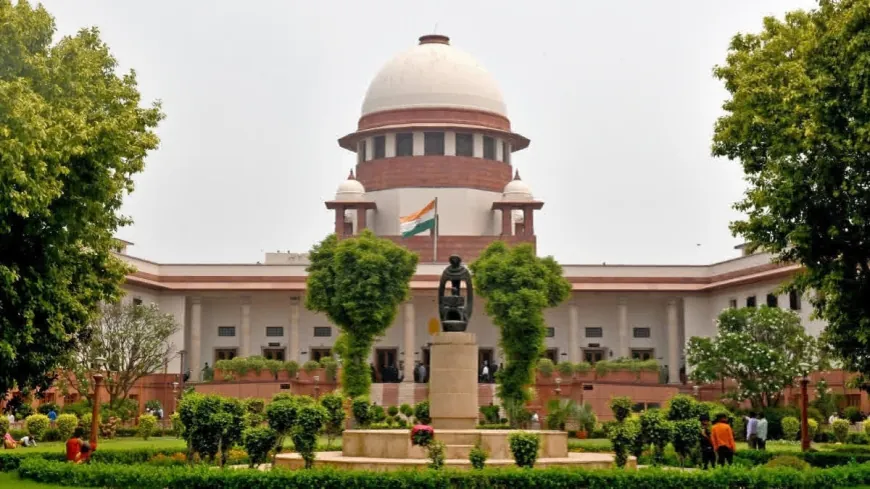
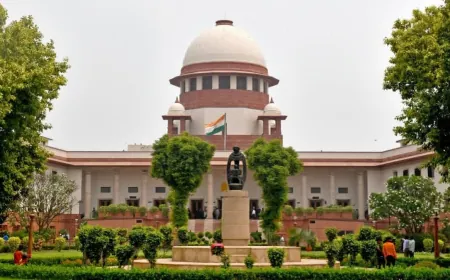
NEW DELHI: The Supreme Court has asked the Central Government to think about making a law to stop or limit marriages between close blood relatives. The Court raised serious concerns about the health risks these marriages can pass on to children.
During a recent hearing, the judges pointed out medical studies showing that when close relatives marry, their children face a much higher risk of being born with serious genetic illnesses and health disorders. The Court noted that while marrying close relatives—like first cousins or uncles and nieces—is an old tradition in some communities, protecting public health and the well-being of future children must come first.
Right now, marriage laws in India handle this issue differently depending on religion and tradition. Under the Hindu Marriage Act and the Special Marriage Act, marriage between close relatives is generally not allowed unless a community has a long-standing custom that permits it, while other religious laws follow their own separate community rules, leaving no single law that applies to everyone in the country.
The judges said that while traditions and religious beliefs are important, the government has a duty to prevent avoidable health problems. The Court suggested that the Law Ministry and the Health Ministry work together with doctors and community leaders to look into creating clear rules and spreading awareness about the health risks.