
































































Keir Starmer resigns as UK prime minister and leader of Labour Party
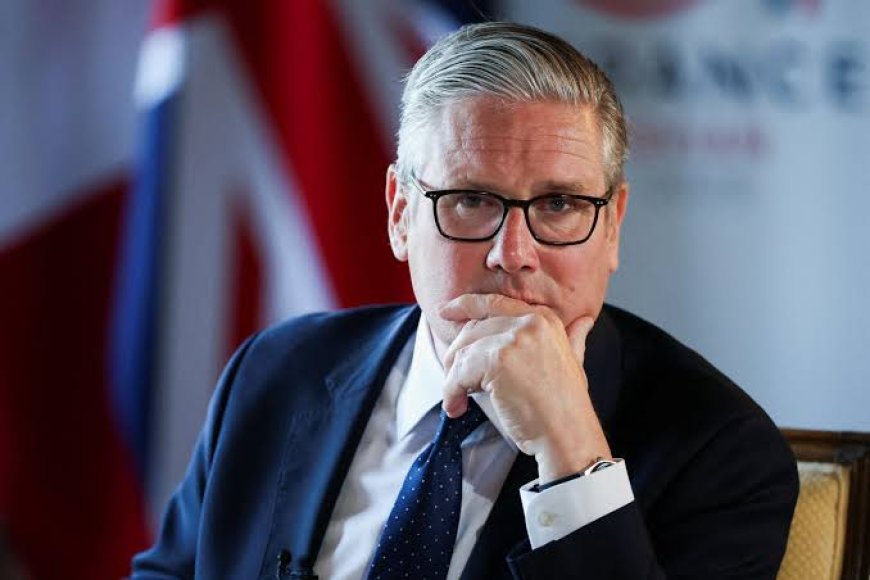
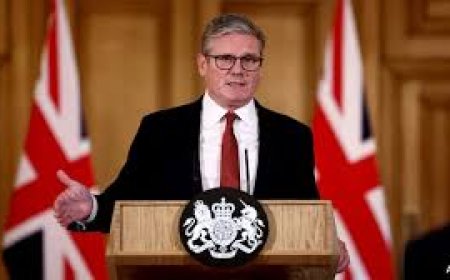
KEIR Starmer has announced his resignation as UK Prime Minister and leader of the Labour Party, ending his tenure at Downing Street amid growing internal pressure from his own party.
Starmer stepped out of 10 Downing Street with his wife, receiving cheers and applause, before delivering his resignation statement. He recalled his arrival at Downing Street two years ago as "the proudest moment" of his life and said he entered politics with the aim of changing the lives of millions of people.
Reflecting on the Labour Party's landslide victory in the 2024 general election, Starmer highlighted what he described as the achievements of his government. He pointed to economic growth, rising wages, increased investment, infrastructure projects, falling NHS waiting lists, improved rights for workers and renters, higher defence spending, reduced small boat crossings and efforts to tackle child poverty.
"Every decision I have taken has been about putting the country I love first. An economy that is stronger, going faster than our peers, wages rising faster than inflation in every single month since we came to power," Starmer said while listing his government's record.
He also claimed his government had delivered the biggest improvement in workers' and renters' rights in a generation, the largest increase in defence spending since the Cold War, and had lifted half a million children out of poverty through policy decisions.
However, Starmer's position had been under sustained pressure for months following a series of controversies, policy reversals and declining public support.
Critics within and outside the Labour Party accused his government of failing to deliver the improvements in living standards promised during the 2024 election campaign.
The pressure intensified after Labour rival Andy Burnham won a parliamentary seat, giving him the platform to mount a formal leadership challenge. More than 100 Labour lawmakers, around a quarter of the party's representatives in the House of Commons, had publicly called for Starmer to resign or set a clear timeline for his departure.
Starmer's exit means the UK is set to get its seventh prime minister in just over a decade, marking the highest leadership turnover in nearly two centuries.
The frequent changes at the top have reflected growing public frustration over successive governments' inability to address long-running issues, including pressure on public services, economic concerns and illegal immigration.