























































































Influencers pushed mercury-laced cream; girl, 17, paid with her kidneys
A 17-year-old girl in Malappuram is recovering from a serious kidney disorder after using Ftune, a fairness cream promoted by multiple Instagram influencers. Doctors at a private hospital, who tested the product found that the cream contained 12,500 parts per million (1.25 per cent) of mercury, more than 12,000 times the 1 ppm limit set for most cosmetics in India.Mercury is a toxic heavy metal, and decades of research have warned against its use in cosmetics. The usage of Skin Lightening Products (SLPs) have often been linked to prejudice against people with darker skin by centuries of colonialism, white supremacy and classism, and a multi-crore fairness industry thrives on it.The plight of the teenager has now prompted the Kerala State Commission for Protection of Child Rights to register a suo motu case.The teenager developed a severe kidney disorder, membranous nephropathy, in which immune deposits thicken the filtering walls of the kidneys, caused by mercury poisoning linked to the cream. The case came to light after the girl sought medical treatment at a private hospital in Malappuram after she experienced leg and face swelling, difficulty walking and climbing stairs, fainting, and a sharp drop in blood pressure.According to the doctor, Gouri S, a nephrologist at Aster MIMS Mother Hospital in Malappuram who treated the girl, tests on the cream detected 12,500 parts per million (ppm) (1.25%) of mercury, far above the permissible limit of less than 1 ppm.“Membranous nephropathy is a serious kidney disease that can become very dangerous if left untreated, potentially leading to several other complications. It is very clear that the mercury-containing cream was responsible for causing these health problems in this girl,” the doctor told the media.“They are selling this product, Ftune, by claiming that it will remove pimples, dark spots and pigmentation. They advertise it through Instagram, and they also provide a WhatsApp contact number through which we can purchase the product,” the girl told the media about how she ordered the cream.When the cream gave a visible result, she purchased it again and used it for nearly a year. Later, she developed health issues, which were later found to be membranous nephropathy. “Whenever I urinate, my blood pressure suddenly drops, causing me to feel dizzy and faint. My legs became swollen, and I had difficulty walking. That is when I decided to go to the hospital,” she added.The girl said she had contacted the company and informed them about her health problems through messages, but she did not receive any positive response. The girl's family now plans to file a case in consumer court. Warnings sounded Makers of the Ftune cream claimed it contains turmeric extract for acne, sandalwood for dark spots, niacinamide for wrinkles and glutathione for skin brightening. These were the ingredients publicised by several Instagram influencers.In August, an Instagram user, @Dr Madhu_dermatologist, had cautioned followers against using the cream. In a video, he pointed out that the product claims to treat all skin problems, which in itself is a red flag. He added that although its label lists niacinamide, a whitening agent, and brightening and active agents such as glutathione, kojic acid and alpha arbutin, it does not state the concentration of any of them. He ended the video by raising concern that the cream could contain mercury, while acknowledging that no test report supported this.The product Ftune is currently available in market places like Amazon.Why is mercury dangerous Indian law does not impose a blanket ban on mercury in cosmetics. Under the Cosmetics Rules, 2020, which replaced the cosmetics provisions of the Drugs and Cosmetics Rules, 1945, products meant only for the eye area may contain up to 70 parts per million (0.007 per cent) of mercury as a preservative. All other finished cosmetics may contain no more than 1 ppm, and only as an unintentional trace. These limits were first set in 2017, when the Union Health Ministry (G.S.R. 56(E), January 19, 2017) amended Rules 145D and 135A of the 1945 Rules, relaxing the earlier outright prohibition on mercury compounds in cosmetics that had been in force since 1978.Mercury is added to some skin-lightening creams for its whitening effect, but prolonged exposure through the skin can harm the body. Health effects include kidney damage, skin rashes and discolouration, and damage to the nervous system, along with other systemic problems. Studies have shown that exposure to mercury can occur through dermal absorption, ingestion, or inhalation.Regulators set strict limits on mercury in cosmetics. The US Food and Drug Administration allows only trace amounts, below 1 ppm. Yet some products on the market contain more than 1,000 ppm, far above the permitted level. In one study of affected patients, the main symptoms were pain, kidney damage and neuropsychiatric problems.Globally, the Minamata Convention on Mercury, a treaty to prote
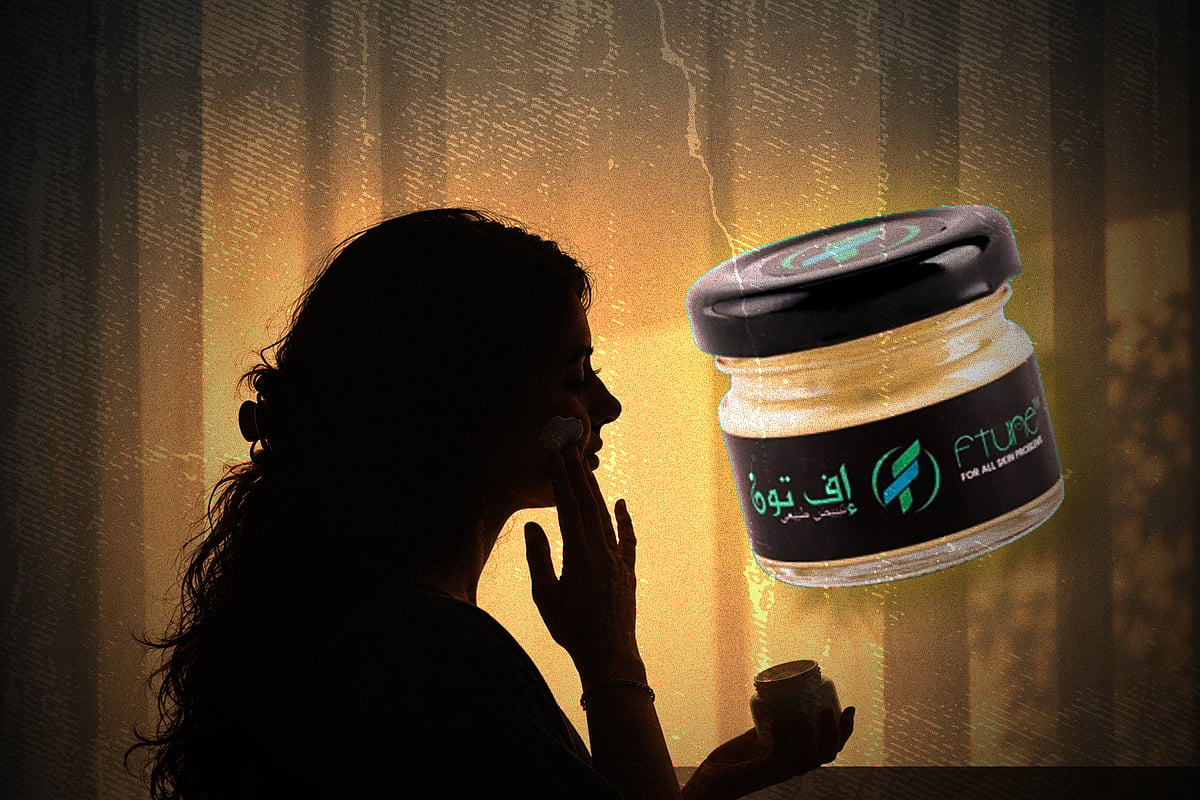
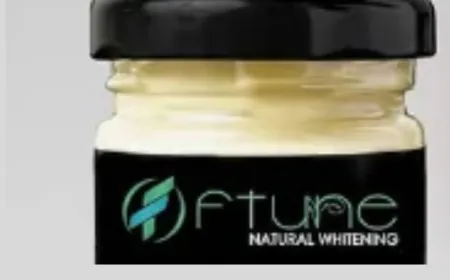
A 17-year-old girl in Malappuram is recovering from a serious kidney disorder after using Ftune, a fairness cream promoted by multiple Instagram influencers.
Doctors at a private hospital, who tested the product, found that the cream contained 12,500 parts per million (1.25 per cent) of mercury, more than 12,000 times the 1 ppm limit set for most cosmetics in India.
Mercury is a toxic heavy metal, and decades of research have warned against its use in cosmetics. The usage of Skin Lightening Products (SLPs) have often been linked to prejudice against people with darker skin by centuries of colonialism, white supremacy and classism, and a multi-crore fairness industry thrives on it.
The plight of the teenager has now prompted the Kerala State Commission for Protection of Child Rights to register a suo motu case.
The teenager developed a severe kidney disorder, membranous nephropathy, in which immune deposits thicken the filtering walls of the kidneys, caused by mercury poisoning linked to the cream.
The case came to light after the girl sought medical treatment at a private hospital in Malappuram after she experienced leg and face swelling, difficulty walking and climbing stairs, fainting, and a sharp drop in blood pressure.
According to the doctor, Gouri S, a nephrologist at Aster MIMS Mother Hospital in Malappuram who treated the girl, tests on the cream detected 12,500 parts per million (ppm) (1.25%) of mercury, far above the permissible limit of less than 1 ppm.
“Membranous nephropathy is a serious kidney disease that can become very dangerous if left untreated, potentially leading to several other complications. It is very clear that the mercury-containing cream was responsible for causing these health problems in this girl,” the doctor told the media.
“They are selling this product, Ftune, by claiming that it will remove pimples, dark spots and pigmentation. They advertise it through Instagram, and they also provide a WhatsApp contact number through which we can purchase the product,” the girl told the media about how she ordered the cream.
When the cream gave a visible result, she purchased it again and used it for nearly a year. Later, she developed health issues, which were later found to be membranous nephropathy. “Whenever I urinate, my blood pressure suddenly drops, causing me to feel dizzy and faint. My legs became swollen, and I had difficulty walking. That is when I decided to go to the hospital,” she added.
The girl said she had contacted the company and informed them about her health problems through messages, but she did not receive any positive response. The girl's family now plans to file a case in consumer court.
Warnings sounded
Makers of the Ftune cream claimed it contains turmeric extract for acne, sandalwood for dark spots, niacinamide for wrinkles and glutathione for skin brightening. These were the ingredients publicised by several Instagram influencers.
In August, an Instagram user, @Dr Madhu_dermatologist, had cautioned followers against using the cream. In a video, he pointed out that the product claims to treat all skin problems, which in itself is a red flag. He added that although its label lists niacinamide, a whitening agent, and brightening and active agents such as glutathione, kojic acid and alpha arbutin, it does not state the concentration of any of them. He ended the video by raising concern that the cream could contain mercury, while acknowledging that no test report supported this.
The product Ftune is currently available in marketplaces like Amazon.
Why is mercury dangerous
Indian law does not impose a blanket ban on mercury in cosmetics. Under the Cosmetics Rules, 2020, which replaced the cosmetics provisions of the Drugs and Cosmetics Rules, 1945, products meant only for the eye area may contain up to 70 parts per million (0.007 per cent) of mercury as a preservative.
All other finished cosmetics may contain no more than 1 ppm, and only as an unintentional trace. These limits were first set in 2017, when the Union Health Ministry (G.S.R. 56(E), January 19, 2017) amended Rules 145D and 135A of the 1945 Rules, relaxing the earlier outright prohibition on mercury compounds in cosmetics that had been in force since 1978.
Mercury is added to some skin-lightening creams for its whitening effect, but prolonged exposure through the skin can harm the body. Health effects include kidney damage, skin rashes and discolouration, and damage to the nervous system, along with other systemic problems. Studies have shown that exposure to mercury can occur through dermal absorption, ingestion, or inhalation.
Regulators set strict limits on mercury in cosmetics. The US Food and Drug Administration allows only trace amounts, below 1 ppm. Yet some products on the market contain more than 1,000 ppm, far above the permitted level. In one study of affected patients, the main symptoms were pain, kidney damage and neuropsychiatric problems.
Globally, the Minamata Convention on Mercury, a treaty to protect human health and the environment from mercury, phases out mercury-added skin-lightening products. India is among its parties.
According to an UNEP report, skin lightening products (SLPs) that contain mercury remain available for sale worldwide despite international, national, and local bans and the known health risks of exposure.
A study published in November 2026, the result of a 17-year-old global surveillance, offers one of the largest collated datasets of skin lightening products tested for mercury. Researchers tested 2090 products from 34 locations. While 66% of samples had mercury presence, the toxin content in 49% was more than 1ppm.
In July 2025, LiveMint reported that a sub-committee set by the Drugs Controller General of India (DCGI) has recommended that the use of mercury in cosmetic formulations be banned.