
















































































Hantavirus outbreak: Arizona man who survived the infection 24 years ago says it isn't as scary as COVID-19
A photojournalist from Arizona, who contracted the hantavirus nearly 24 years ago, has recently spoken up about his experience, adding that the news of recent outbreak is difficult to process. However, he did say that it isn't as scary as Covid-19 was.

AN Arizona man, Gilbert Zermeño, who 24 years ago contracted hantavirus and lost his mother and sister to the illness, has now come forward to say that news of the recent outbreak has been hard to process.
Speaking with CBS News on Friday, Zermeño said, "I imagine I got the same feeling that every person who's ever contracted hantavirus and still deals with the effects afterwards has," and added, "It takes you back, and it's no less painful now than it was back then. It's hard. I'm not going to lie."
People group
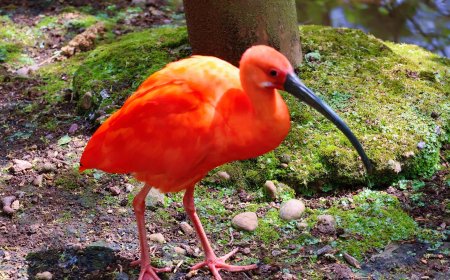
Argentine investigators suspect a Dutch couple may have first contracted the Andes virus during a bird-watching trip before boarding the cruise ship in Argentina. Officials are focusing on Ushuaia, the nation's southernmost town, as a potential origin point.
How Gilbert Zermeño contracted hantavirus
Recalling how he contracted the illness, the Arizona photojournalist said that back in 2002, when he was cleaning out the family house in Texas following the deaths of his mother and sister, he was exposed to rodent droppings and became infected, later spending several days in a Phoenix hospital.
Zermeño said that initially, his mother and sister were misdiagnosed, and doctors said the two died of sepsis. However, they later determined it was hantavirus. He added that the rarity of the illness complicated his own diagnosis and treatment, but with the help of family members in the medical community, he finally got a proper diagnosis.
"Listen to your medical professionals and have a plan in the event that you do feel that you were exposed to hantavirus or to someone who had hantavirus," Zermeño said. "The likelihood of you catching it from person to person is minuscule."
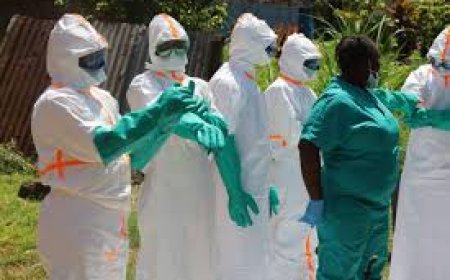
Zermeño's account comes at a time when health officials around the world are monitoring the outbreak of hantavirus, which is linked to a Dutch-flagged cruise ship that has caused nine confirmed or suspected cases, including three deaths.
The photojournalist said that online misinformation regarding the illness has triggered a panic-like situation among some people, simply because of the word "virus." He added, "But I'm here to just tell people, look, you need to do some research on this because it's not as scary as COVID-19 was."
Hantavirus outbreak: What is it and how does it spread
Hantaviruses, named after a river in South Korea, refer to a group of related viruses rather than a single illness.
According to the World Health Organisation (WHO), there are more than 20 known hantavirus species. Most are spread through contact with infected rodents, particularly rats and mice, via dried urine, droppings, or saliva.
One variant, called the Andes virus, is considered unusual because it can occasionally spread between humans, though such cases are rare. South Africa’s health minister confirmed that the strain was detected in two passengers, a British man currently hospitalized in Johannesburg and a Dutch woman who later died.
The Andes virus is primarily reported in Argentina and Chile.
A notable outbreak occurred in Argentina in late 2018, when health officials linked multiple infections to a social gathering.
Experts on the hantavirus outbreak
Ann Lindstrand, a WHO representative in Cape Verde, told CBS on Thursday that there was no risk of a pandemic-level threat because of the low likelihood of human-to-human transmission.
On Wednesday, Dr. Jay Bhattacharya, acting director for the US Centers for Disease Control and Prevention, said in a statement that hantavirus "is not spread by people without symptoms, transmission requires close contact, and the risk to the American public is very low."
WHO warns 12 countries as hantavirus cases confirmed
According to the WHO, 12 countries are officially or indirectly linked to the hantavirus outbreak response. While some are involved directly due to passenger boarding or medical evacuation, others have been warned because their citizens were on board or passed through stopover points.
The countries that the WHO has warned are Canada, Denmark, Germany, the Netherlands, New Zealand, Saint Kitts and Nevis, Singapore, Sweden, Switzerland, Turkiye, the UK, and the US.