















































































Vizhinjam Port ready to make Kerala a global trade gateway
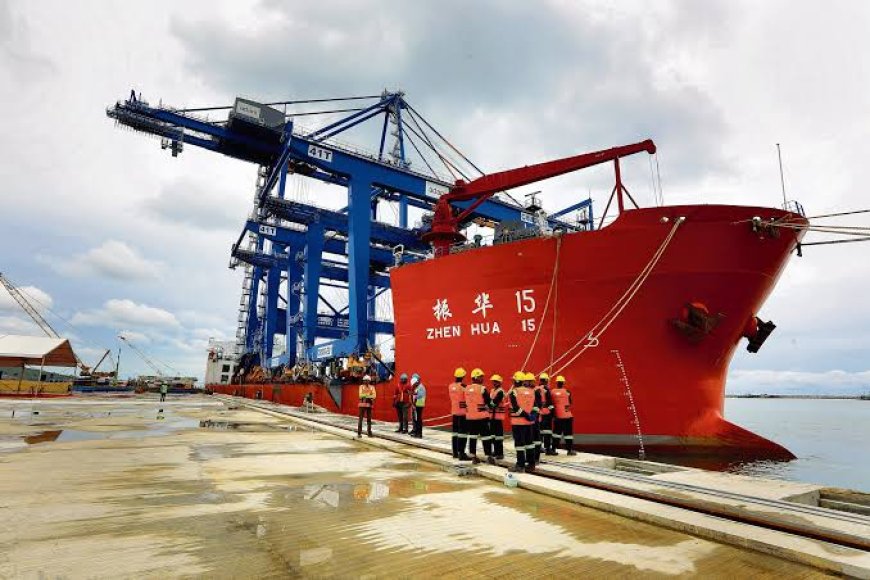
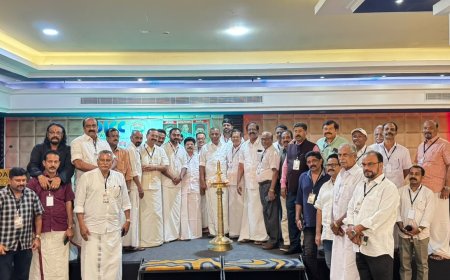
KERALA'S Vizhinjam International Seaport is poised to enter a new phase on Tuesday, August 18, with the formal commencement of full-fledged export-import (EXIM) operations, marking a major milestone in the state’s ambitions to become a key hub in global maritime trade.
The launch will transform Vizhinjam from primarily a transhipment facility into a direct gateway for international cargo. The first export container is scheduled to be flagged off at 10.45 a.m., with Chief Minister V.D. Satheesan and Union Ports, Shipping and Waterways Minister Sarbananda Sonowal attending the event.
The new EXIM operations are expected to benefit exporters in Kerala and southern India significantly. Cargo that was earlier routed through foreign transhipment hubs such as Colombo, Singapore and Dubai can now move directly from Vizhinjam to international markets, potentially reducing transit times and logistics costs.
Vizhinjam’s strategic location close to major international shipping routes and its deep-water facilities give it a significant advantage in handling some of the world’s largest container vessels. The port has already attracted major global shipping lines, including Mediterranean Shipping Company (MSC), which has integrated Vizhinjam into its Jade Service connecting Europe and Asia.
The port’s emergence as a gateway facility is also expected to stimulate port-led industrialisation in Kerala. The state is planning logistics and industrial infrastructure around Vizhinjam, including a multimodal logistics park, to attract manufacturing, export, and import-oriented businesses to the region.
According to the Directorate General of Maritime Administration, Vizhinjam is strategically positioned to reduce India’s dependence on overseas transhipment hubs and could eventually capture a substantial share of the country’s transhipment traffic.
With direct international cargo movement beginning on August 18, Vizhinjam is set to strengthen Kerala’s connection with global markets and could become a major driver of trade, logistics, investment and employment in the years ahead.