












































































‘Tariffs would immediately jump to much higher level…’: Trump sets July 4 deadline for European Union trade deal
US President Trump has set a July 4 deadline for the EU to ratify its trade agreement or face increased tariffs on auto imports.

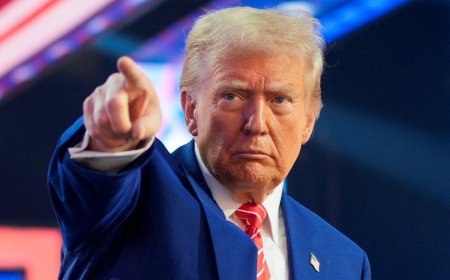
US President Donald Trump said he would give the European Union until July 4 to ratify its trade agreement with the US, after previously threatening to hike tariffs on auto imports as soon as this week if it failed to do so.
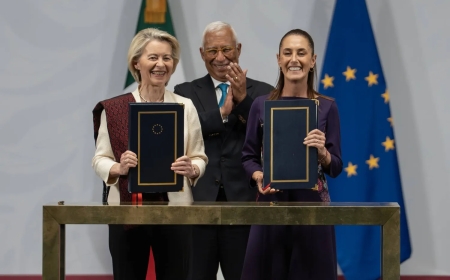
Trump said Thursday he set the new deadline after speaking with European Commission President Ursula von der Leyen. He threatened to hike duties on the bloc’s goods if it didn’t finalise the pact by summer.
“I agreed to give her until our country's 250th birthday or, unfortunately, their tariffs would immediately jump to much higher levels,” the US president posted on social media.
Von der Leyen said that “both sides” remain “fully committed” to implementing the deal.
“Good progress is being made towards tariff reduction by early July,” she posted on social media.
Automaker stocks that had slipped on Trump’s threat last week had a muted reaction to the new announcement. US shares of Stellantis NV fell 2.5% in New York trading on Thursday after initially paring declines on the president’s post. US depositary receipts of Volkswagen AG were little changed.
The announcement came after the EU failed to finalize its long-delayed trade deal during overnight talks, despite Trump’s prior threat to raise tariffs on European automobiles to 25% from 15%. The president has accused the bloc of not moving fast enough to implement the agreement, which was reached in July 2025.
“I’ve been waiting patiently for the EU to fulfil their side of the Historic Trade Deal,” he posted.
Under the US-EU trade pact, the bloc agreed to eliminate levies on American industrial goods in exchange for a 15% tariff ceiling on most European products.
The move marks the latest shift in Trump’s evolving trade policy, as he uses the spectre of tariffs to pressure other economies into offering concessions. Some of those threats have been followed by swift retreats due to challenges implementing the levies, economic concerns about them or US trading partners’ efforts to address Trump’s objections.
The Supreme Court’s decision earlier this year overturning Trump’s previous tariff regime forced the administration to reimpose many of those levies using different authorities, though his ability to tax auto imports using executive powers was unaffected.
Negotiators from the European Parliament and EU member states discussed potential amendments to the transatlantic deal on Wednesday night, but didn’t make any conclusive decisions, according to Cyprus, which holds the EU’s rotating presidency. Talks will continue in the coming weeks.
Officials are “committed to moving swiftly,” Cypriot Energy Minister Michael Damianos said in a statement.