




































































Oil prices plunge after Iran foreign minister says Strait of Hormuz is 'completely open,' Trump claims US blockade still in place
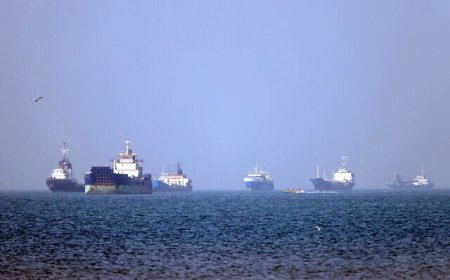
OIL prices plunged on Friday after Iran's foreign minister said the Strait of Hormuz, the world's most critical chokepoint for global energy flows, was fully open to commercial traffic for the remainder of the 10-day ceasefire between Israel and Lebanon.
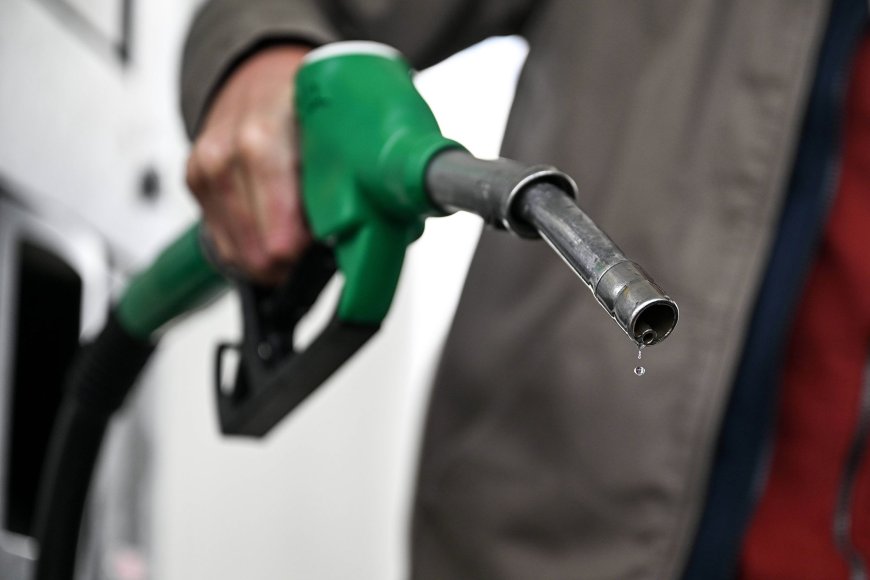
Futures on Brent crude (BZ=F), the international pricing benchmark, fell 10.3% to trade below $90 per barrel, while those on US benchmark West Texas Intermediate (WTI) crude (CL=F) fell by 10.6% to trade below $82. Both products opened the week above $100.
"In line with the ceasefire in Lebanon, the passage for all commercial vessels through Strait of Hormuz is declared completely open for the remaining period of the ceasefire," Iranian foreign minister Abbas Araghchi wrote in a post on X. He added that vessels will be allowed to use the "coordinated route as already announced" by the regime.
Oil market watchers and other experts said sticking points remain for shipowners even with Friday morning's news.
Iran state TV reported Friday that any vessels looking to make the crossing must coordinate with the Revolutionary Guard Corps, per Bloomberg. It was also not immediately clear which route Iran wanted ship captains to take. Iranian leaders have said previously that ships wanting to traverse the strait must pass close to the Iranian coast, while on Wednesday, the regime offered a deal for safe passage of vessels in Omani waters so long as the US and Iran could agree to a firm ceasefire.
In line with the ceasefire in Lebanon, the passage for all commercial vessels through Strait of Hormuz is declared completely open for the remaining period of ceasefire, on the coordinated route as already announced by Ports and Maritime Organisation of the Islamic Rep. of Iran.
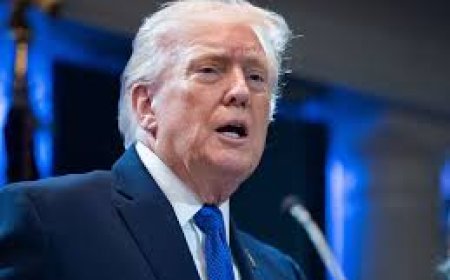
In a Truth Social post less than an hour after Araghchi's statement, President Trump said that while the strait is "completely open and ready for business," the current US naval blockade "will remain in full force and effect as it pertains to Iran, only, until such time as our transaction with Iran is 100% complete" — potentially complicating matters for shipowners looking to make sense of a fast-moving situation.
President Trump then said in a separate post that Iran has "agreed to never close the Strait of Hormuz again," though that agreement hasn't been confirmed by Tehran, according to Reuters. Iranian officials told the semi-official news agency Fars that if the US blockade persists, Iran will close the waterway again, Reuters reported.
The announcement from the Iranian foreign minister on Friday morning that the strait would be open comes after Israel and Lebanon agreed to a temporary 10-day ceasefire that began at 5 p.m. ET on Thursday, taking some pressure off one of the key sticking points in negotiations between the US and Iran to end the war in the Middle East.
On Thursday, President Trump announced in a Truth Social post that Israel and Lebanon had reached a 10-day ceasefire agreement, marking a temporary break in a conflict that has snarled any potential positive movement between the US and Iran and potentially opening the way for second-round talks.
"I just had excellent conversations with the Highly Respected President Joseph Aoun, of Lebanon, and Prime Minister Bibi Netanyahu, of Israel. These two leaders have agreed that in order to achieve PEACE between their countries, they will formally begin a 10 Day CEASEFIRE at 5 P.M. EST," the president wrote.
Since the US and Israel began airstrikes in Iran on Feb. 28, kicking off a war that has snarled the Middle East, Israel has at the same time been pursuing a large-scale military campaign in Lebanon against the Iranian proxy force Hezbollah.
Even as Iran has insisted that an end to Israel's front in Lebanon must pause for Tehran to make any ceasefire agreements, Jerusalem has continued a widespread air and ground campaign within the country against Hezbollah despite the US-Iran ceasefire, set to expire on Tuesday.
In comments on Thursday, President Trump said a deal to end the war with Iran was "looking very good" and that another round of negotiations could begin this weekend. The US is reportedly considering a deal to release $20 billion in frozen Iranian funds in exchange for the regime surrendering its stockpile of enriched uranium, Axios reported Friday morning.
Trump told reporters he believed Iran had made concessions on several points they had long resisted — such as their nuclear enrichment program — and that a deal would include "free oil" and an open Strait of Hormuz.
No date has yet been set for a second round of talks, Pakistan's foreign minister said Thursday morning. Senior Gulf and European leaders have said in private that they believe a deal could take six months to reach, Bloomberg reported.