















































HC quashes suspension of 16 Kalady Sanskrit varsity students, orders special exams
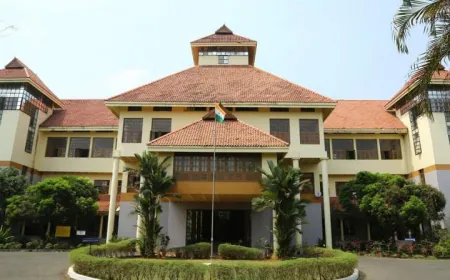
The Kerala High Court, on Monday, November 23, quashed the suspension of 16 students of Sree Sankaracharya University of Sanskrit (SSUS), Kalady, and set aside the disciplinary inquiry report against them, ruling that the University had violated the principles of natural justice while initiating action over a campus protest. Justice PV Kunhikrishnan directed the University to allow the students to return to the campus and attend regular classes immediately. The court also ordered the University to conduct separate examinations within six weeks for students who missed their examinations due to the suspension.The court passed the order while allowing a writ petition filed by Archana PS and 15 other students. The judge found serious procedural lapses in the University's inquiry, including failure to communicate specific charges to the students, recording witness statements in their absence, and denying them access to complaints and an opportunity to cross-examine witnesses.The court also observed that the inquiry committee had exceeded its mandate by relying on unrelated complaints and the students' antecedents. The inquiry report was not a "speaking order", as it reached conclusions without adequately discussing the evidence, the court noted.The University had argued that the students could approach the Students’ Grievance Redressal Committee or the Ombudsperson. However, the court rejected the contention, observing that such a remedy would amount to an appeal from "Caesar to Caesar's wife", given that the bodies were appointed by the University and Vice-Chancellor Ciza Thomas herself was an aggrieved party.The 16 students, all members of the Students Federation of India (SFI), were suspended on September 1, following a protest held on August 13. The University had alleged that the protesters staged a mock funeral of the Vice-Chancellor, manhandled her, and attempted to damage her vehicle as she left the office following a Syndicate meeting.The students, however, maintained that they had staged a mock funeral for non-functioning stage lights. The protest was part of a series of demonstrations that began on July 22 over various grievances.The students had raised issues including 27 vacant lecturer posts, non-issuance of printed certificates, inadequate infrastructure, and delays in fellowship payments.Protest, suspension, legal battle: What is happening at Kerala’s Sankaracharya University The suspension had prevented some students from appearing for examinations that began on November 4. The students initially approached the High Court seeking permission to write the examinations. Although a single bench granted interim relief on October 30, a division bench subsequently set aside the order, citing the absence of pleadings concerning their eligibility under the University's minimum attendance and internal assessment requirements.The students then approached the Supreme Court challenging the division bench's decision. While declining to interfere, the apex court urged the High Court to expedite the hearing of their challenge to the suspension. The University had given an undertaking before the Supreme Court that it would conduct special examinations if the suspension orders were revoked.The High Court directed the University to honour that undertaking and conduct the examinations within six weeks. It also clarified that any fresh disciplinary inquiry should not be used as a reason to delay the special examinations.The court granted the University liberty to initiate a fresh inquiry in accordance with the law but made it clear that the students should not be suspended during the proceedings. Further, the court said that if the students were found guilty in a fresh inquiry, the 84 days they had already spent under suspension must be taken into account while deciding the punishment.During an earlier hearing on November 11, Justice Kunhikrishnan had questioned the University's decision to keep the students suspended for nearly 60 days and demand an apology from them. "I am not accepting what they have done, but they have suffered. They have been out for 60 days. Assume for argument that there is misconduct. Isn't this 60 days enough?" the court had orally observed.Justice Kunhikrishnan cited instances of political leaders showing leniency towards student protesters, including former prime minister Manmohan Singh, Prime Minister Narendra Modi, and former Kerala chief minister EMS Namboodiripad.The judge urged the authorities to consider forgiveness rather than allowing disciplinary action to destroy students' academic careers. "Forgiveness is not a sin; it is an affirmation of human dignity," the court concluded.
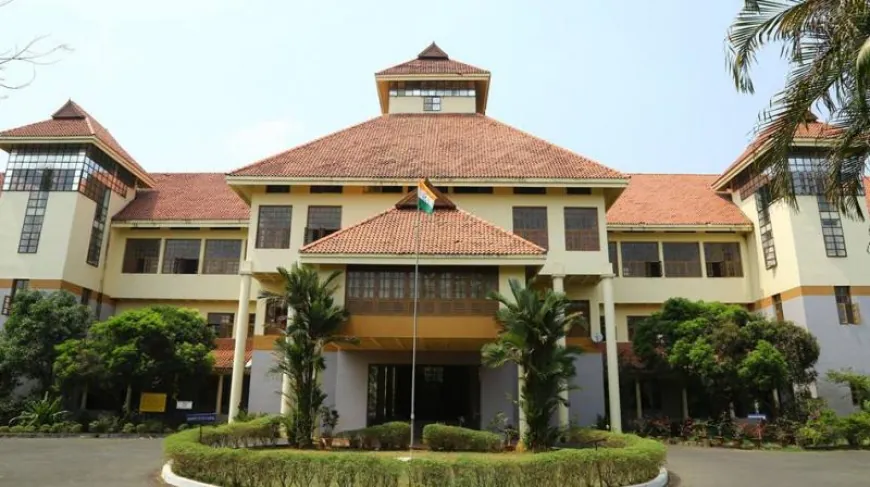
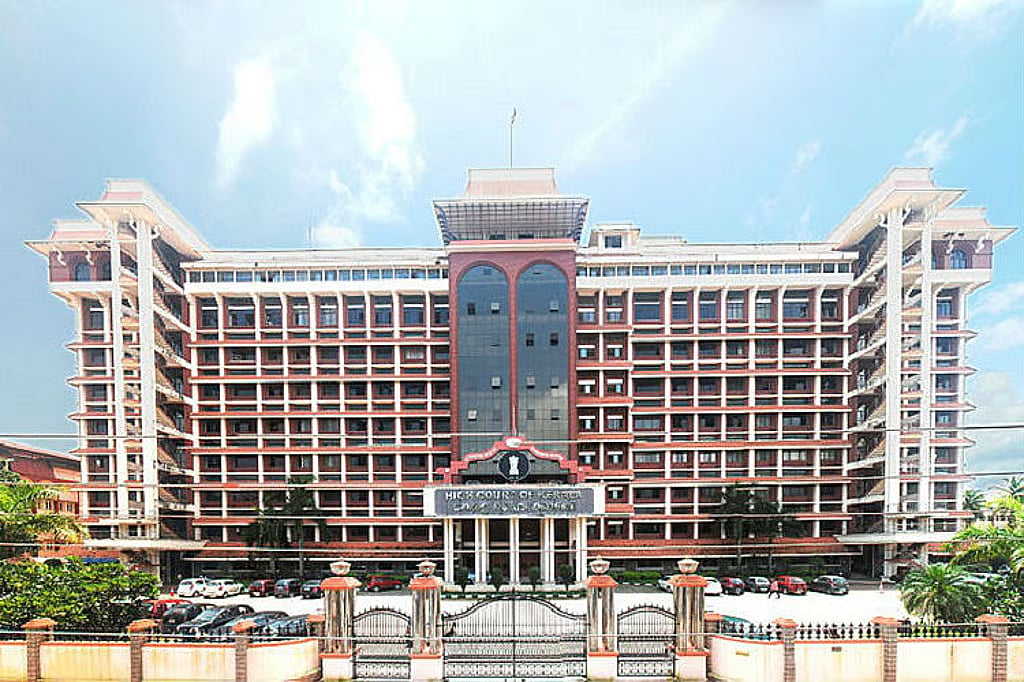
THE Kerala High Court, on Monday, November 23, quashed the suspension of 16 students of Sree Sankaracharya University of Sanskrit (SSUS), Kalady, and set aside the disciplinary inquiry report against them, ruling that the University had violated the principles of natural justice while initiating action over a campus protest.
Justice PV Kunhikrishnan directed the University to allow the students to return to the campus and attend regular classes immediately. The court also ordered the University to conduct separate examinations within six weeks for students who missed their examinations due to the suspension.
The court passed the order while allowing a writ petition filed by Archana PS and 15 other students. The judge found serious procedural lapses in the University's inquiry, including failure to communicate specific charges to the students, recording witness statements in their absence, and denying them access to complaints and an opportunity to cross-examine witnesses.
The court also observed that the inquiry committee had exceeded its mandate by relying on unrelated complaints and the students' antecedents. The inquiry report was not a "speaking order", as it reached conclusions without adequately discussing the evidence, the court noted.
The University had argued that the students could approach the Students’ Grievance Redressal Committee or the Ombudsperson. However, the court rejected the contention, observing that such a remedy would amount to an appeal from "Caesar to Caesar's wife", given that the bodies were appointed by the University and Vice-Chancellor Ciza Thomas herself was an aggrieved party.
The 16 students, all members of the Students Federation of India (SFI), were suspended on September 1, following a protest held on August 13. The University had alleged that the protesters staged a mock funeral of the Vice-Chancellor, manhandled her, and attempted to damage her vehicle as she left the office following a Syndicate meeting.
The students, however, maintained that they had staged a mock funeral for non-functioning stage lights. The protest was part of a series of demonstrations that began on July 22 over various grievances.
The students had raised issues including 27 vacant lecturer posts, non-issuance of printed certificates, inadequate infrastructure, and delays in fellowship payments.
Protest, suspension, legal battle: What is happening at Kerala’s Sankaracharya University
The suspension had prevented some students from appearing for examinations that began on November 4. The students initially approached the High Court seeking permission to write the examinations. Although a single bench granted interim relief on October 30, a division bench subsequently set aside the order, citing the absence of pleadings concerning their eligibility under the University's minimum attendance and internal assessment requirements.
The students then approached the Supreme Court challenging the division bench's decision. While declining to interfere, the apex court urged the High Court to expedite the hearing of their challenge to the suspension. The University had given an undertaking before the Supreme Court that it would conduct special examinations if the suspension orders were revoked.
The High Court directed the University to honour that undertaking and conduct the examinations within six weeks. It also clarified that any fresh disciplinary inquiry should not be used as a reason to delay the special examinations.
The court granted the University liberty to initiate a fresh inquiry in accordance with the law but made it clear that the students should not be suspended during the proceedings. Further, the court said that if the students were found guilty in a fresh inquiry, the 84 days they had already spent under suspension must be taken into account while deciding the punishment.
During an earlier hearing on November 11, Justice Kunhikrishnan had questioned the University's decision to keep the students suspended for nearly 60 days and demand an apology from them. "I am not accepting what they have done, but they have suffered. They have been out for 60 days. Assume for argument that there is misconduct. Isn't this 60 days enough?" the court had orally observed.
Justice Kunhikrishnan cited instances of political leaders showing leniency towards student protesters, including former prime minister Manmohan Singh, Prime Minister Narendra Modi, and former Kerala chief minister EMS Namboodiripad.
The judge urged the authorities to consider forgiveness rather than allowing disciplinary action to destroy students' academic careers. "Forgiveness is not a sin; it is an affirmation of human dignity," the court concluded.