













































































Kerala faces record demand in electricity, minister assures no power cuts
Kerala Electricity Minister K Krishnankutty said on April 19, Sunday, that the state will not impose load shedding despite electricity consumption touching record levels. He said the government has made arrangements to meet rising demand during the ongoing summer.Addressing the media, he said procuring additional electricity from power exchanges has become increasingly difficult under current conditions. In response, the Kerala State Electricity Board (KSEB) has approached the Kerala Electricity Regulatory Commission, seeking approval to enter long-term agreements with power suppliers from other states. The minister said the board expects a decision by April 22 and expressed confidence that approval would help avert any electricity crisis.He maintained that there is no situation warranting load shedding at present and attributed the surge in consumption to intensifying summer heat. Increased use of cooling appliances such as fans and air conditioners has driven demand, he said, adding that a shortage of LPG has also led more households to rely on induction cookers.Krishnankutty urged the public to avoid using high-power appliances during peak hours between 6 pm and 11 pm. He said high temperatures are likely to persist until at least April 26. Responding to concerns about frequent power disruptions, he said these are largely due to overloading in local networks leading to tripping, rather than planned outages.Kerala is currently witnessing an unprecedented spike in power consumption, with daily usage reaching a record 116.11 million units and peak load climbing to 6,013 MW. The pressure on the grid is most severe during evening and late-night hours. Officials said that while peak demand traditionally occurred between 6.30 pm and 10.30 pm, it has in recent years extended up to 2 am during the summer months, largely due to increased use of air conditioners.Amid the surge, KSEB is exploring both short-term and medium-term procurement options. According to a report by Mathrubhumi, the board has sought permission to purchase electricity at rates of up to Rs 10 per unit to ensure uninterrupted supply, arguing that prevailing market conditions require a higher ceiling than the previously approved average of Rs 7.35 per unit. It has also requested access to the term-ahead market, which allows procurement over a 30-day window, after finding limited availability in the day-ahead market. The board plans to procure an additional 250 MW between mid-April and mid-May.Despite these measures, multiple media reports indicate that consumers in several rural areas have faced unscheduled nighttime power cuts. KSEB officials have denied imposing load shedding, but acknowledged that certain load restrictions are being implemented to manage transmission constraints.Officials said the state currently has access to around 6,255 MW of power during peak hours, including approximately 4,455 MW from the central grid and power purchase agreements, and about 1,800 MW from internal generation. However, there has been a reduction of around 100 MW due to the shutdown of some generation units. The board has indicated that it can manage demand even if peak load reaches 6,200 MW.The rise in rooftop solar installations has added complexity to power management. Around 3.61 lakh consumers have grid-connected rooftop solar systems, contributing nearly 2,000 MW during daytime. While the board is required to purchase this power at regulator-approved rates, these consumers draw electricity from the grid at night when demand peaks. Officials said daytime consumption stands at around 4,500 MW, rising to about 6,000 MW at night.To manage the situation, KSEB has constituted committees led by senior officials to closely monitor demand patterns and control procurement costs. The board expects high demand to continue until at least mid-May.Krishnankutty said the decision to pursue long-term agreements marks a shift from the state’s earlier approach, when such arrangements were avoided due to concerns over financial losses. He added that once these agreements are in place, Kerala would be better equipped to handle demand fluctuations without resorting to load shedding, and expressed hope that the onset of rains in May would improve generation and ease pressure on the grid.
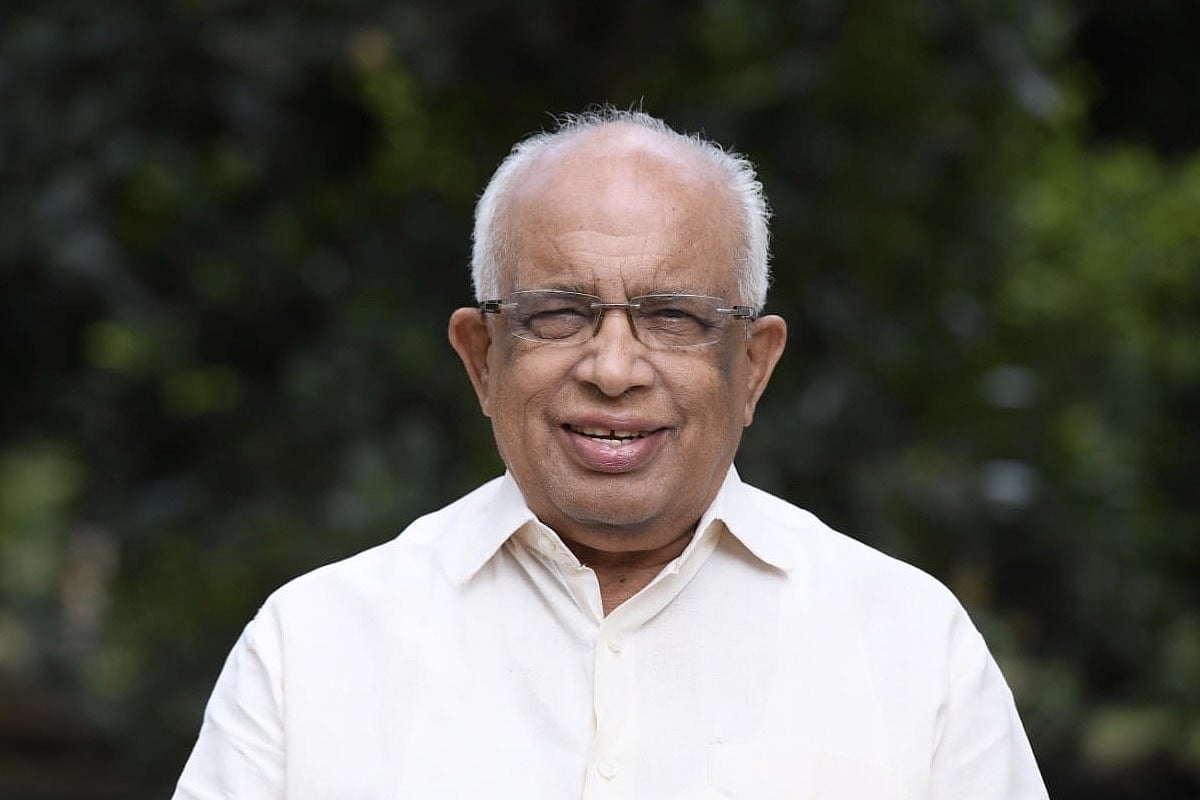
KERALA Electricity Minister K Krishnankutty said on April 19, Sunday, that the state will not impose load shedding despite electricity consumption touching record levels. He said the government has made arrangements to meet the rising demand during the ongoing summer.
Addressing the media, he said procuring additional electricity from power exchanges has become increasingly difficult under current conditions. In response, the Kerala State Electricity Board (KSEB) has approached the Kerala Electricity Regulatory Commission, seeking approval to enter long-term agreements with power suppliers from other states. The minister said the board expects a decision by April 22 and expressed confidence that approval would help avert any electricity crisis.
He maintained that there is no situation warranting load shedding at present and attributed the surge in consumption to the intensifying summer heat. Increased use of cooling appliances such as fans and air conditioners has driven demand, he said, adding that a shortage of LPG has also led more households to rely on induction cookers.
Krishnankutty urged the public to avoid using high-power appliances during peak hours between 6 pm and 11 pm. He said high temperatures are likely to persist until at least April 26. Responding to concerns about frequent power disruptions, he said these are largely due to overloading in local networks leading to tripping, rather than planned outages.
Kerala is currently witnessing an unprecedented spike in power consumption, with daily usage reaching a record 116.11 million units and peak load climbing to 6,013 MW. The pressure on the grid is most severe during evening and late-night hours. Officials said that while peak demand traditionally occurred between 6.30 pm and 10.30 pm, it has in recent years extended up to 2 am during the summer months, largely due to increased use of air conditioners.
Amid the surge, KSEB is exploring both short-term and medium-term procurement options. According to a report by Mathrubhumi, the board has sought permission to purchase electricity at rates of up to Rs 10 per unit to ensure uninterrupted supply, arguing that prevailing market conditions require a higher ceiling than the previously approved average of Rs 7.35 per unit.
It has also requested access to the term-ahead market, which allows procurement over a 30-day window, after finding limited availability in the day-ahead market. The board plans to procure an additional 250 MW between mid-April and mid-May.
Despite these measures, multiple media reports indicate that consumers in several rural areas have faced unscheduled nighttime power cuts. KSEB officials have denied imposing load shedding, but acknowledged that certain load restrictions are being implemented to manage transmission constraints.
Officials said the state currently has access to around 6,255 MW of power during peak hours, including approximately 4,455 MW from the central grid and power purchase agreements, and about 1,800 MW from internal generation. However, there has been a reduction of around 100 MW due to the shutdown of some generation units. The board has indicated that it can manage demand even if peak load reaches 6,200 MW.
The rise in rooftop solar installations has added complexity to power management. Around 3.61 lakh consumers have grid-connected rooftop solar systems, contributing nearly 2,000 MW during daytime. While the board is required to purchase this power at regulator-approved rates, these consumers draw electricity from the grid at night when demand peaks. Officials said daytime consumption stands at around 4,500 MW, rising to about 6,000 MW at night.
To manage the situation, KSEB has constituted committees led by senior officials to closely monitor demand patterns and control procurement costs. The board expects high demand to continue until at least mid-May.
Krishnankutty said the decision to pursue long-term agreements marks a shift from the state’s earlier approach, when such arrangements were avoided due to concerns over financial losses. He added that once these agreements are in place, Kerala would be better equipped to handle demand fluctuations without resorting to load shedding, and expressed hope that the onset of rains in May would improve generation and ease pressure on the grid.