







































































Jensen Huang’s return shows Nvidia is too big to police
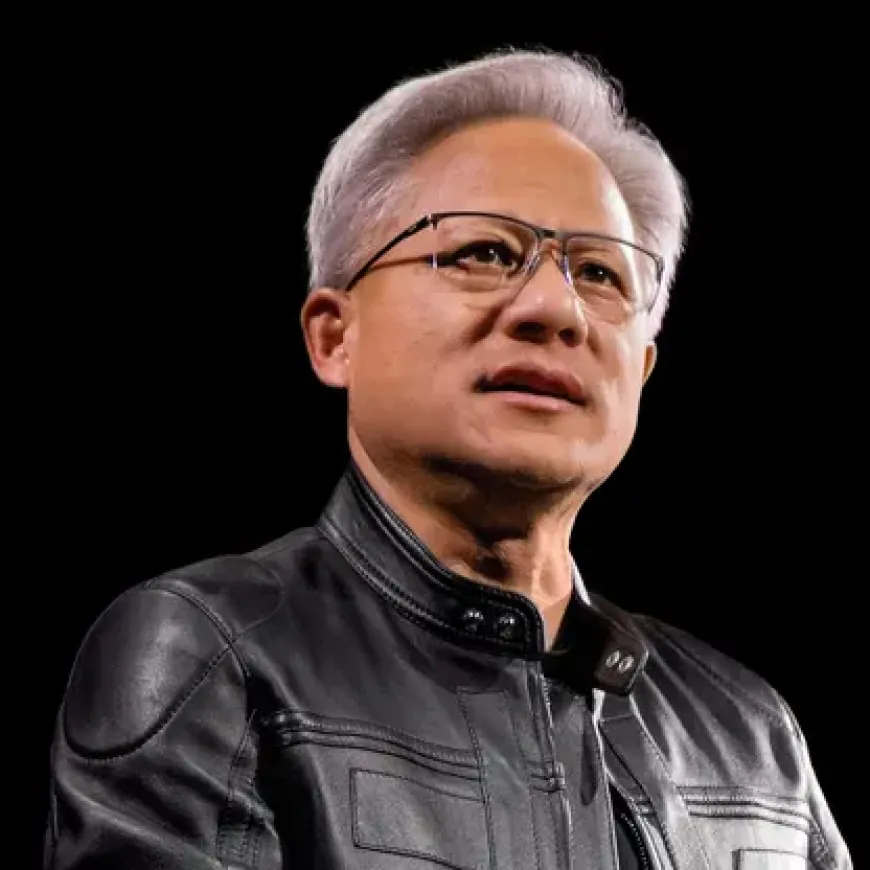
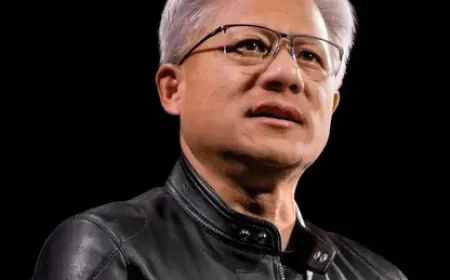
NVIDIA'S board reinstated Jensen Huang as CEO just 11 days after he resigned over an affair with a woman linked to Chinese intelligence. Experts say the move undermines the credibility of US security warnings and shows the chipmaker has become too important for Washington to hold accountable.
The board of American chipmaker Nvidia officially reinstated Jensen Huang as CEO on Monday. He had resigned 11 days earlier after revelations of extramarital affairs, one of which involved Alice Huang, a woman whom US intelligence ties to China's Ministry of State Security. The board said it received assurances from "senior levels of the US government" and is confident that Huang's return poses no national security risk.
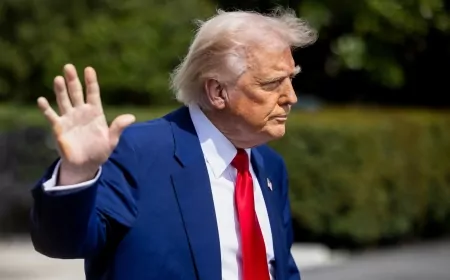
According to The Wall Street Journal, President Donald Trump personally lobbied for the decision, reaching out to board members directly and through intermediaries, citing Nvidia's falling share price as an argument. Notably, the board acted before its own internal investigation of Huang concluded. Meanwhile, the US Department of Justice is conducting a criminal probe into Megaspeed, a company formerly run by Alice Huang, suspected of illegally reselling Nvidia chips to China.
Director of National Intelligence Jay Clayton confirmed that Alice Huang herself is under investigation. Intelligence and export-control experts interviewed by WIRED said they are more worried about the precedent created by Huang's return than about Huang himself. Some suggest Beijing may have already obtained information about Nvidia's chip designs or the company's private conversations with the White House and Congress, or possibly even the chips themselves via Megaspeed, though no official confirmation exists.
Tahlia Peterson, a research fellow at the Royal United Services Institute (RUSI), believes that if intelligence assessments are overridden or ignored for political or commercial reasons, it will undermine long-term confidence in the independence of national security institutions.
Edward Fishman of the Council on Foreign Relations compared the situation to the history of banking sanctions: banks only took compliance seriously after years of aggressive enforcement, while nothing comparable has happened in the tech sector.
Emily Kilcrease, a former deputy US trade representative now directing the Energy, Economics, and Security program at CNAS, said the administration has repeatedly failed to enforce export controls over the past year, so its assurances cannot be trusted. She noted that the Commerce Department only added Megaspeed to the blacklist and tightened rules on Chinese AI on Monday, but did so only under pressure.
Source of Assurances Unclear, Congress Raises Questions
According to The Wall Street Journal, the assurances for the board came mainly from the Department of Justice. Attorney General Todd Blanche told Trump and Vice President JD Vance on Saturday that Huang is neither a target nor a subject of any investigation, and there is no evidence he broke the law. Vance then relayed the administration's assurances to the board. Trump also told The New York Times that he consulted Clayton.
However, experts demand an explanation of whether these assurances were based on a counterintelligence damage assessment by the FBI or the intelligence community, or whether they were political in nature.
At a briefing this month focused on Iran, CIA Director John Ratcliffe and Clayton faced questions about Huang, but their answers left lawmakers puzzled. A follow-up briefing for senior staff was postponed. Senator Kevin Cramer criticized the decision, saying the board takes on legal and reputational risks while shifting national security risks onto the US military and citizens.
Sunny Cheung, a China studies fellow at the Jamestown Foundation, notes that China's Ministry of State Security may not have needed Nvidia's secrets at all — access to Jensen Huang and his conversations with the president, senior officials, and tech executives might have been enough.
Jessica Brandt of the Council on Foreign Relations adds that information about chip designs could help China in its own development, and knowledge of Nvidia's contacts with the White House would allow Beijing to anticipate export-control policy.
Earlier, The New York Times reported that Huang successfully lobbied to ease restrictions on Nvidia chip sales to China and agreed to a deal giving the US government 25% of proceeds from certain approved chips. In April, China's Minister of State Security Chen Yixin named overcoming AI blockades as one of his ministry's six key missions.
Alice Huang's network of buyer companies, according to former deputy national security adviser Matt Pottinger, aligns precisely with that mission.
Nvidia said its internal investigation will continue with Huang's cooperation, the company is seeking a chief compliance officer, and has formed a committee of independent directors to oversee trade compliance and national security risks.
Huang and general counsel Tim Teter have agreed to closed-door testimony before three House committees on December 1 and 2. Kilcrease expects hearings and legislation aimed at tightening export controls and strengthening oversight of administration decisions.
"Jensen Huang may be back, and he should not be presumed guilty, but his reinstatement should not be mistaken for a clean bill of health," said Sunny Cheung.