



































































Excess ethanol in petrol: Keralam launches random checks at pumps
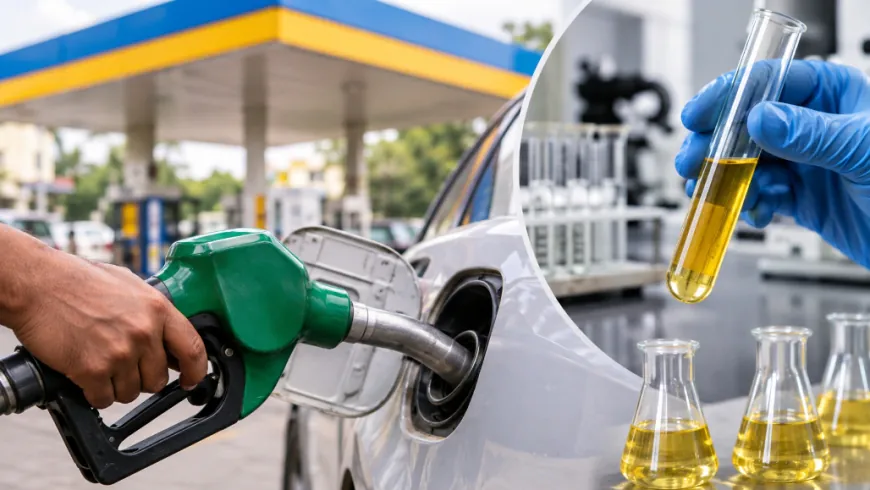
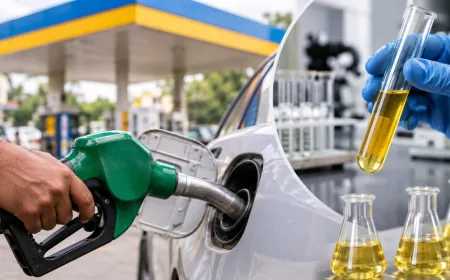
THE Kerala government has launched random inspections at petrol pumps in four districts after Karnataka reported ethanol levels exceeding the prescribed 20% limit in fuel samples, raising concerns over fuel quality and vehicle damage.
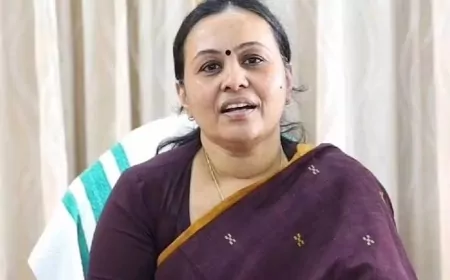
Food and Civil Supplies Minister Anoop Jacob on Monday directed the Civil Supplies and Consumer Affairs Department to collect petrol samples and send them for laboratory testing to determine whether ethanol blending exceeds the permitted limit.
The inspections are being conducted in Thiruvananthapuram, Ernakulam, Kozhikode and Kannur districts. Officials have been instructed to follow prescribed sampling procedures, with the test results expected within 10 days.
Jacob said the government had received complaints about vehicles developing mechanical problems, alongside concerns that excessive ethanol in petrol could affect vehicle performance.
He said consumers had the right to know the quality and composition of the fuel they purchase. The minister also warned that petrol pumps found violating the prescribed standards could face sealing and prosecution.
What Karnataka Found In Petrol Samples
The inspections in Kerala follow allegations by the Karnataka government that petrol sold at several retail outlets contained ethanol well above the permitted 20% limit.
Karnataka Food and Civil Supplies Minister Rizwan Arshad recently said laboratory tests of 63 petrol samples collected from seven districts detected ethanol concentrations ranging from 26% to 31.2%.
According to the state government, nearly four out of five samples tested contained ethanol above the prescribed limit. The samples were collected from outlets in Bengaluru, Kolar, Chikkaballapura, Bengaluru Rural, Ramanagara, Mangaluru and Tumakuru.
Karnataka has sought action against oil marketing companies and demanded greater transparency over ethanol blending in petrol.
Centre And Oil Companies Dispute Karnataka's Findings
The allegations have triggered a dispute between the Karnataka government, the Centre and public sector oil marketing companies.
The Union Petroleum Ministry has rejected Karnataka's findings, maintaining that petrol supplied by public sector oil companies meets the prescribed quality standards.
According to the ministry, all 893 samples tested by Indian Oil Corporation, Bharat Petroleum and Hindustan Petroleum across 27 states and Union Territories contained ethanol within the stipulated 19%-21% range under the Bureau of Indian Standards' IS 17021 specification.
The ministry also said that 56 samples collected from Karnataka recorded ethanol concentrations between 19% and 20%.
The oil marketing companies have questioned the sampling and testing procedures adopted by Karnataka during its October inspection exercise. They have sought access to the complete sampling records, laboratory reports and testing methodology, and have proposed joint testing under prescribed procedures.
What Happens If Excess Ethanol Is Found?
Keralam has made it clear that action will follow if laboratory tests establish that petrol contains ethanol beyond the permitted limit.
Under a state notification issued in 2014, officials ranging from the Commissioner of Civil Supplies and Consumer Affairs to Taluk Supply Officers are authorised to inspect fuel outlets and initiate legal proceedings under the Central Motor Spirit and High Speed Diesel (Regulation of Supply, Distribution and Prevention of Malpractices) Order, 2005.
The inspections are intended to establish whether fuel sold in Kerala complies with national standards.
The controversy has also renewed questions about the impact of E20 petrol on vehicles, particularly older models. Ethanol blending can affect mileage and vehicle performance depending on engine design and calibration.
The Centre has defended its ethanol-blending programme, saying it aims to reduce dependence on imported crude oil, lower emissions and support farmers through increased ethanol procurement.