

















































Saudi Arabia shifts Vision 2030 spending; curbs non-essential expenditure
Saudi Arabia is reassessing its ambitious development plans amid mounting economic pressures, raising questions about the future of its multibillion-dollar projects and the Kingdom's broader economic transformation agenda.

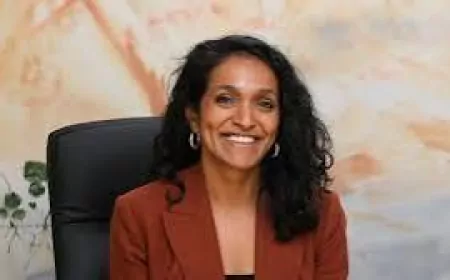
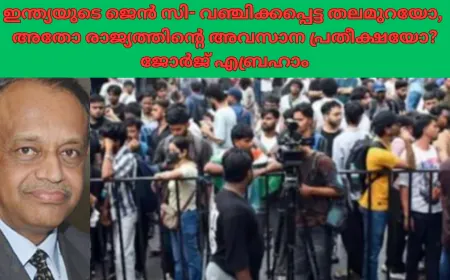
AFTER Saudi Arabia scaled back several of its flagship projects amid mounting economic pressures and a deepening slowdown, the Kingdom's Economy Minister Faisal Alibrahim on Friday (local time) said that Riyadh's economic diversification strategy is now shifting from "spending and delivery at any cost" to "spending and delivery at the right cost."
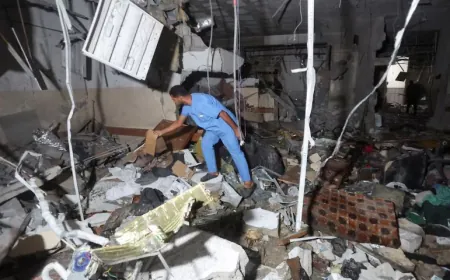
Alibrahim's remarks came as the Houthis continue to launch attacks on civilian and energy infrastructure in the Kingdom, with the strikes killing and injuring dozens and repeatedly rocking oil markets. Alibrahim also noted that the Kingdom would "stop at nothing to realise long-term sustainable stability in the region," CNBC reported.
He said, "The phase we’re in today is one where every riyal is deployed with greater precision... it was clear that while we want to diversify or restructure our economy to depend less on government spend, there was a lot of catch-up that needed to be done, and for that, you saw government spend leading the way."
Alibrahim further said, "Right now, that is shifting from spending and delivery at any cost to spending and delivering at the right cost. We’re moving towards a policy-first approach to many of our policy areas and... objectives. We’re also creating a clearer business environment, one that aligns the regulatory environment in the Kingdom with international laws."
Saudi Arabia cuts non-essential spending: Here's why
Riyadh, which has been on a massive capital spending spree since the launch of its Vision 2030 plan in 2016 to reduce dependence on oil revenue, has been deploying the resources of its sovereign wealth fund, the Public Investment Fund (PIF).
However, Saudi Arabia has recently begun reviewing the financial viability and commercial potential of several high-profile ventures. These include NEOM, its planned futuristic economic zone, and The Line, a proposed linear city.
The Kingdom has also pulled financial support for the LIV Golf tournament and suspended work on a massive skyscraper planned for Riyadh. In January, it further announced that it would defer the 2029 Asian Winter Games, which were due to take place in Trojena, a mountain resort being developed as part of NEOM.
The decision to scale back or reassess the cost of its initiatives comes at a time when the Kingdom is also grappling with the disruptive impact of ongoing strikes by Iran-backed Houthis in Yemen, which have targeted sites such as the PIF tower, Riyadh Airport and the country's largest oil refinery. The security threat has forced the Saudi government to cancel its international investor conference, known as "Davos in the Desert", which was set to be attended by some of the biggest players in global finance in November.
Saudi Arabia's spending reset raises questions about the future of Vision 2030, the Kingdom's ambitious plan to diversify its economy, and the fate of the multibillion-dollar megaprojects envisioned under it.
What is Vision 2030?
Launched in 2016 by Crown Prince Mohammed bin Salman, Saudi Arabia's Vision 2030 is an ambitious economic transformation programme aimed at reducing the Kingdom's dependence on oil revenue and building a diversified economy.
The initiative seeks to expand sectors such as tourism, entertainment, technology and manufacturing, attract foreign investment and increase private-sector participation. To achieve these goals, Saudi Arabia has undertaken several multibillion-dollar megaprojects, including NEOM, The Line and Qiddiya, many of which are backed by the PIF.
What does cutting spending mean for megaprojects?
According to reports, Saudi Arabia's spending cuts are expected to have a significant impact on the scale, timelines and funding of its multibillion-dollar megaprojects under Vision 2030.
Rather than scrapping the entire programme, the Kingdom is likely to prioritise developments with stronger commercial prospects and more immediate economic returns, while delaying, redesigning or scaling down some of its more ambitious ventures.
NEOM's The Line, for instance, has faced a major reassessment, with further development pushed beyond 2030, while the Trojena mountain resort has also seen investment deferred. The Mukaab skyscraper in Riyadh has had construction suspended as authorities reassess its financial feasibility. Meanwhile, projects such as Qiddiya and Diriyah remain among the developments receiving attention.
The shift signals a move towards more selective investment, with greater emphasis on financial viability, private-sector participation, and attracting foreign capital.
Alibrahim's remarks suggest that while Vision 2030 remains central to Riyadh's economic ambitions, the Kingdom is increasingly focused on ensuring that its investments deliver sustainable returns.