








































































Iran War! JD Vance lists 4 reasons voters switched to Democrats: ‘Agree or disagree, that’s at least honest’
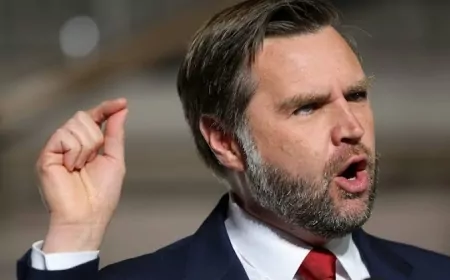
US Vice President JD Vance blamed the Iran war for the Republican Party’s losses in the midterm elections, citing voter concerns over inflation, the ‘America First’ agenda and Washington’s relationship with Israel.

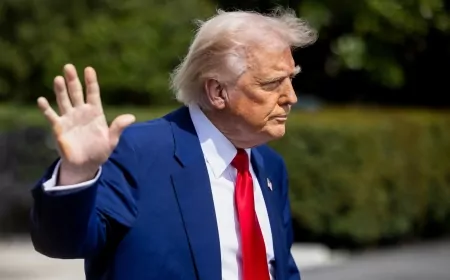
US Vice President JD Vance has attributed the Republican Party’s losses in the midterm elections to voter dissatisfaction with the war in Iran, publicly highlighting differences with President Donald Trump over the conflict.
“The reason we lost is the war. The president himself said so last night,” Vance wrote in a lengthy post on X on Wednesday.
His remarks came after Democrats secured control of both the House of Representatives and the Senate, delivering a significant electoral setback to Trump and the Republicans. The results reflected voter concerns over the cost of living and the administration’s handling of the Iran conflict.
Vance went further than Trump in identifying the war as a central factor behind the Republican defeat. Speaking to Fox News after the results, Trump acknowledged that Iran was “a part of it”, but defended the military campaign as necessary for global security. He also attributed voter dissatisfaction partly to higher petrol prices resulting from the conflict.
JD Vance lists 4 reasons Trump voters switched to Democrats
In his X post, Vance cited a pollster he said had accurately anticipated the election results. According to the pollster's findings, several voters who backed Trump in 2024 were angry and considering voting for Democrats in the midterms.
Change our relationship to Israel
Vance argued that these concerns explained why some voters who had previously supported the Republican ticket switched sides.
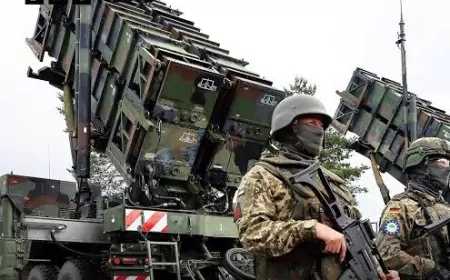
The war, launched by the US and Israel in late February, pushed up energy prices and added to concerns about household expenses during the election campaign. Vance has reportedly been sceptical within the administration about the decision to attack Iran.
“If you’d like to argue it was worth it, that losing the Senate for the next 6 years was worth it, then do so,” Vance wrote. “Argue it was a worthwhile cost to pay. Agree or disagree, that’s at least honest.”
Democrats accuse JD Vance of distancing himself from Donald Trump
Vance's assessment drew criticism from Democrats, who accused him of trying to distance himself from the administration's decisions as speculation grows about a possible 2028 presidential bid.
“JD Vance is putting long screeds on Twitter saying how the Iran war was a problem. That is not because JD Vance has a soul. It is not because he has a spine. It is because he is an upwardly aspirational Republican who understands that he needs to differentiate himself from Donald Trump,” Democratic Representative Sean Casten of Illinois told reporters on Wednesday.
The US relationship with Israel also emerged as a point of contention in several election races, particularly in Michigan. Victorious Democratic Senate candidate Abdul El-Sayed criticized US funding for Israel, arguing that the money could be better directed towards domestic priorities.
Vance previously criticized Israel and its government. He declined to endorse Prime Minister Benjamin Netanyahu for re-election, unlike Trump, and accused some Israeli officials over the summer of “manipulating” public opinion to keep the Iran war going indefinitely. His remarks have drawn criticism from some Jewish Republicans and pro-Israel groups.
Donald Trump Jr backs J D Vance's comments
Vance's post also received support from Donald Trump Jr, the US president's eldest son and a longtime ally of the VP.
Responding on X, Trump Jr endorsed Vance's assessment, writing: “Every word of this is 100 100 100.”
Vance's comments put the Iran war and its economic consequences at the centre of the Republican Party's post-election debate while highlighting the political challenges facing the administration after the Democrats' gains.