










































































Rahul Gandhi's three nominees for the CIC post were rejected, DoPT documents show
Opposition Leader Rahul Gandhi had recommended three names - former IAS officer Sumita Dawra, former Odisha High Court Chief Justice S Muralidhar, and academician Faizan Mustafa - for the post of Chief Information Commissioner (CIC) in December 2025. However, his suggestions were rejected, according to documents uploaded on the website of the Department of Personnel and Training (DoPT). Raj Kumar Goyal was subsequently sworn in as the CIC of the Central Information Commission in December 2025, along with Information Commissioners Sanjeev Kumar Jindal, Surendra Singh Meena, Ashutosh Chaturvedi, Swagat Das, Sudha Rani Relangi, PR Ramesh, Khushwant Singh Sethi, and Jaya Varma Sinha. The selection panel consisted of Prime Minister Narendra Modi, Union Home Minister Amit Shah, and Leader of the Opposition Rahul Gandhi. While the minutes of the meeting confirm Rahul Gandhi's disagreement, they do not specify his detailed reasons for opposing Raj Kumar Goyal's appointment. In February 2026, the Supreme Court refused to direct the publication of the Leader of Opposition's dissent note regarding the appointments. A three-member bench headed by Chief Justice of India Surya Kant stated, "We will not go into that part; there is no question of holding this kind of trial here," according to a Live Law report. The documents reveal that Union Home Minister Amit Shah proposed the name of Raj Kumar Goyal. Rahul Gandhi recommended three names — one from the pool of applicants and two from outside it. He recommended Sumita Dawra, noting that her three decades of experience in public policy and administrative acumen made her well-suited for the role. He suggested that if the committee considered candidates outside the shortlist, it should look at Justice S Muralidhar or Faizan Mustafa, whom he described as "distinguished professionals with exemplary records in law, justice, and public service." Of the eight candidates selected as Information Commissioners, three appear to have not applied for the post: Sanjeev Kumar Jindal, an officer of the Central Secretariat Service (CSS) from the 1989 batch who had held the post of Additional Secretary in the Ministry of Home Affairs; Ashutosh Chaturvedi, Editor-in-Chief of Prabhat Khabar, Ranchi, and PR Ramesh, Managing Editor of Open magazine. In 2019, the Supreme Court had directed the Union government and all state governments to ensure that "all records of deliberations and rational criteria related to short-listing and selection of the Chief Information Commissioner and other Information Commissioners be properly recorded and made available to citizens in consonance with the provisions of the RTI Act." Eight vacancies for Information Commissioners had remained unfilled since November 2023 and were only filled in 2025 following repeated directions from the Supreme Court. The prolonged vacancies contributed to a significant backlog at the CIC, which currently stands at more than 35,000 cases, of which 31,543 are pending appeals. According to the Report Card of Information Commissions in India 2023–24, compiled by Satark Nagrik Sangathan (SNS), the pendency could be addressed if the requisite number of commissioners were appointed and disposed of an optimal number of cases each year. The CIC has set a norm of 3,200 case disposals per commissioner per year. Under this norm, a fully staffed commission could dispose of 35,200 cases annually. In 2023, Congress MP and selection committee member Adhir Ranjan Chowdhury had stated that he was "kept in the dark" during the selection process for the CIC, and that democratic norms and procedures were "thrown to the wind."
OPPOSITION Leader Rahul Gandhi had recommended three names - former IAS officer Sumita Dawra, former Odisha High Court Chief Justice S Muralidhar, and academician Faizan Mustafa - for the post of Chief Information Commissioner (CIC) in December 2025. However, his suggestions were rejected, according to documents uploaded on the website of the Department of Personnel and Training (DoPT).
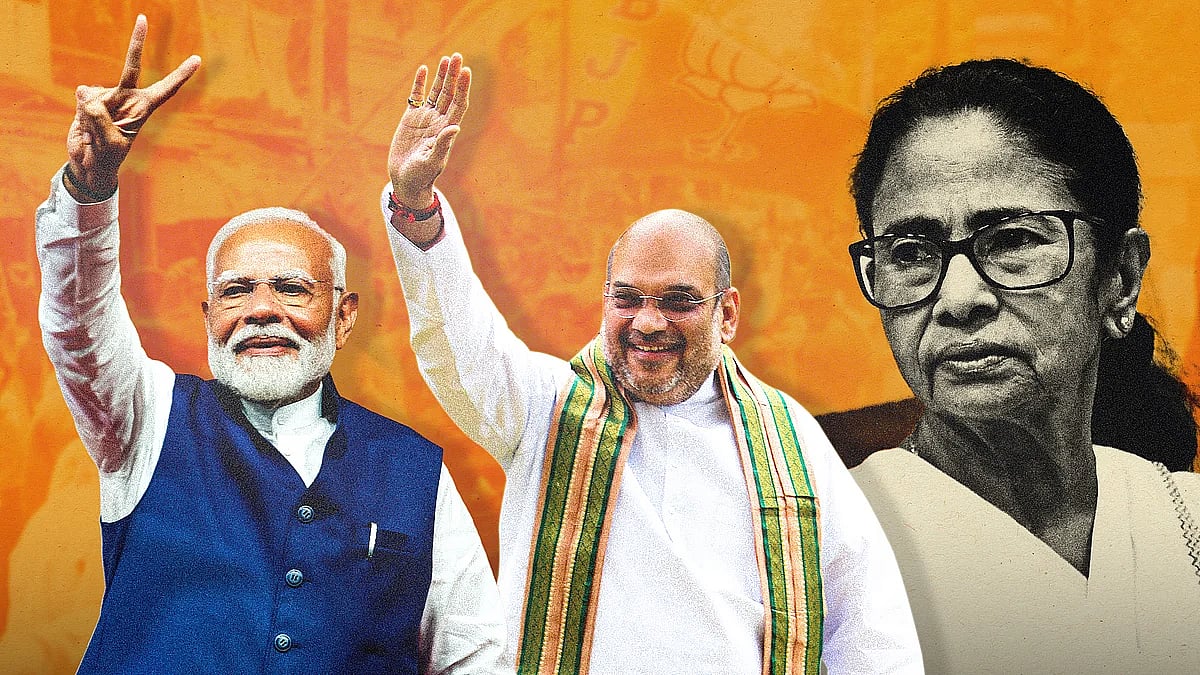
Raj Kumar Goyal was subsequently sworn in as the CIC of the Central Information Commission in December 2025, along with Information Commissioners Sanjeev Kumar Jindal, Surendra Singh Meena, Ashutosh Chaturvedi, Swagat Das, Sudha Rani Relangi, PR Ramesh, Khushwant Singh Sethi, and Jaya Varma Sinha. The selection panel consisted of Prime Minister Narendra Modi, Union Home Minister Amit Shah, and Leader of the Opposition Rahul Gandhi.
While the minutes of the meeting confirm Rahul Gandhi's disagreement, they do not specify his detailed reasons for opposing Raj Kumar Goyal's appointment.
In February 2026, the Supreme Court refused to direct the publication of the Leader of Opposition's dissent note regarding the appointments. A three-member bench headed by Chief Justice of India Surya Kant stated, "We will not go into that part; there is no question of holding this kind of trial here," according to a Live Law report.
The documents reveal that Union Home Minister Amit Shah proposed the name of Raj Kumar Goyal. Rahul Gandhi recommended three names — one from the pool of applicants and two from outside it. He recommended Sumita Dawra, noting that her three decades of experience in public policy and administrative acumen made her well-suited for the role. He suggested that if the committee considered candidates outside the shortlist, it should look at Justice S Muralidhar or Faizan Mustafa, whom he described as "distinguished professionals with exemplary records in law, justice, and public service."
Of the eight candidates selected as Information Commissioners, three appear to have not applied for the post: Sanjeev Kumar Jindal, an officer of the Central Secretariat Service (CSS) from the 1989 batch who had held the post of Additional Secretary in the Ministry of Home Affairs; Ashutosh Chaturvedi, Editor-in-Chief of Prabhat Khabar, Ranchi, and PR Ramesh, Managing Editor of Open magazine.
In 2019, the Supreme Court had directed the Union government and all state governments to ensure that "all records of deliberations and rational criteria related to short-listing and selection of the Chief Information Commissioner and other Information Commissioners be properly recorded and made available to citizens in consonance with the provisions of the RTI Act."
Eight vacancies for Information Commissioners had remained unfilled since November 2023 and were only filled in 2025 following repeated directions from the Supreme Court. The prolonged vacancies contributed to a significant backlog at the CIC, which currently stands at more than 35,000 cases, of which 31,543 are pending appeals.
According to the Report Card of Information Commissions in India 2023–24, compiled by Satark Nagrik Sangathan (SNS), the pendency could be addressed if the requisite number of commissioners were appointed and disposed of an optimal number of cases each year. The CIC has set a norm of 3,200 case disposals per commissioner per year. Under this norm, a fully staffed commission could dispose of 35,200 cases annually.
In 2023, Congress MP and selection committee member Adhir Ranjan Chowdhury had stated that he was "kept in the dark" during the selection process for the CIC, and that democratic norms and procedures were "thrown to the wind."