































































Canadians crossing into the US will now face a major new requirement in 2026
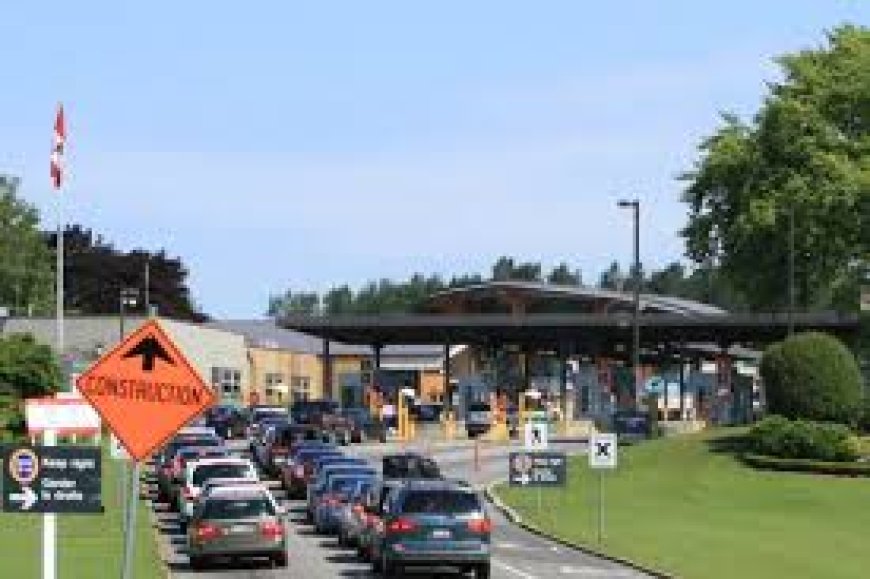
IF you’ve crossed the U.S. border by car dozens of times without a second thought, your next trip may feel a little different. As of December 26, a new U.S. regulation means Canadians will now be photographed when entering or leaving the country at land borders.
The change applies to all non-U.S. travellers and marks a significant shift for Canadians, who until now were largely exempt from biometric screening at land borders. Previously, most Canadians only had to provide basic biographic information when driving back into Canada from the U.S. That’s no longer the case.
Canadians Photographed at Borders
Under the new rule, U.S. Customs and Border Protection (CBP) is authorized to photograph travellers at land ports of entry and exit, including crossings along the Canada–U.S. border, including land, air, and sea. The regulation also removes several long-standing exemptions, meaning diplomats and most Canadian visitors are now included in the process.
According to the U.S. Department of Homeland Security (DHS), the update is part of a broader push to modernize border security and identity verification.
“This milestone regulation advances DHS’s efforts to implement a comprehensive biometric entry and exit program,” CBP said in a statement. “It enhances national security while streamlining identity verification processes for foreign visitors travelling to and from the United States.”
While the change may feel new to road-trip regulars, biometric screening itself isn’t unfamiliar territory for frequent U.S. travellers. The U.S. has been using biometric technology at airports for years, particularly for international arrivals and departures.
Biometric Requirements
CBP was first mandated to introduce biometric screening as early as 2002, with systems gradually expanding over the following decades. By 2004, biometric data collection was already in place for non-U.S. citizens exiting the country at airports. Today, facial recognition is commonly used at international terminals, select departure gates, cruise ports, and pedestrian border lanes.
This new regulation simply extends that same approach to land crossings, creating a more unified system across airports, seaports, and road borders.
It’s also worth noting who this does not apply to. U.S. citizens are exempt from mandatory biometric collection under the rule. They may voluntarily participate or opt out and undergo a manual passport inspection instead.
For Canadians planning upcoming trips south of the border, the change doesn’t require any extra paperwork or advance registration. It does, however, mean one extra moment at the border — and a camera — before your road trip officially begins.
As biometric screening becomes increasingly standard worldwide, this update signals that the era of low-friction, photo-free land border crossings for Canadians is officially coming to an end.