




































































DHS proposes new H-1B extension rule: Workers in US could face stricter checks even with same employer
The proposal seeks to remove a rule that requires US Citizenship and Immigration Services (USCIS) to consider its own previous approval when reviewing an extension application filed by the same employer for the same worker and job.

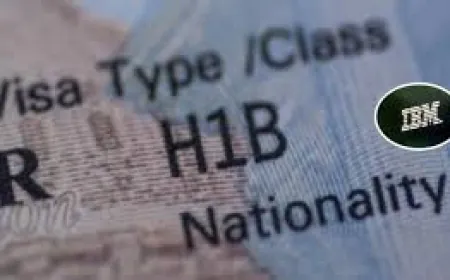
THOUSANDS of H-1B visa holders and other foreign workers in the US could face stricter checks when applying to extend their work permits under a new proposal by the Department of Homeland Security (DHS).
The proposal seeks to remove a rule that requires US Citizenship and Immigration Services (USCIS) to consider its own previous approval when reviewing an extension application filed by the same employer for the same worker and job.
Times of India citing immigration law firm Reddy Neuman Brown said the proposed change could affect around 208,429 petitions every year. The visa categories covered include H-1B, L-1, O-1, TN and E visas.
The proposal was published on October 14, 2026, and the public can submit comments until November 13, 2026.
However, the proposal has not yet been finalised. The existing rule will continue to apply unless DHS issues a final rule and it comes into effect.
What is DHS proposing to change?
Under the current rules, USCIS generally gives weight to an earlier approval when the same employer applies to extend a worker's status under the same job and circumstances.
However, immigration officers can reconsider an earlier decision if they find a significant error, a change in circumstances or new information that affects the worker's eligibility.
DHS now wants to remove this requirement by deleting Section 8 CFR 214.1(c)(5) and marking the provision as “Reserved”.
If the proposal becomes a final rule, USCIS officers will be able to review extension applications afresh without being required to follow an earlier approval. This means they could revisit issues that were already examined, even if the employee continues to work for the same employer in the same role.
The deference policy was first introduced through a USCIS memorandum in 2004. The agency withdrew it in 2017 but brought it back in 2021. DHS later included the policy in the H-1B Modernisation Rule in 2024, which came into effect in January 2025.
H-1B visa holders could face more requests for evidence
H-1B petitions account for more than 75% of all Form I-129 filings, according to DHS. As a result, H-1B workers could be among those most affected by the proposed change.
If the rule is implemented, employers could receive more requests for evidence (RFEs) when applying for routine visa extensions. USCIS officers may ask for additional documents or take another look at issues such as whether a job meets the requirements of a speciality occupation.
DHS estimates that the proposed change could lead to around 6,044 additional RFEs every year.
The department's analysis also found that denial rates did not show a statistically significant difference between periods when the deference policy was in place and when it was not.
How could the proposed rule affect foreign workers?
If the proposal becomes law, workers seeking visa extensions could face greater uncertainty, even if their employer, job role, and working conditions remain unchanged.